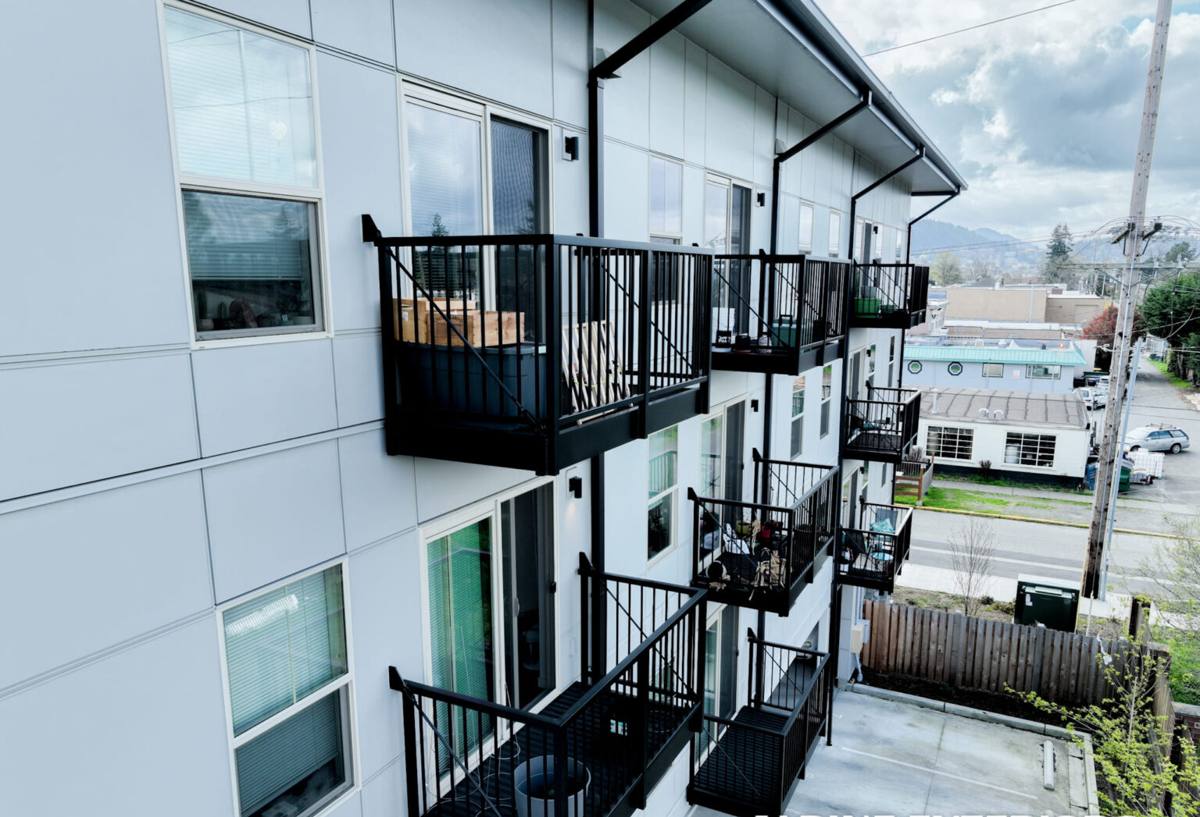
 Semiahmoo Exterior
 Sumas sits right up against the Canadian border in a corner of Whatcom County that gets more than its share of wet weather. Homes here deal with driving rain off the foothills, long damp winters, and a moss season that can run eight months or more. A roof that's been neglected even for a couple of seasons in this climate can go from "a few dark streaks" to "active leaks" faster than homeowners expect. This page covers what roof repair actually involves for a Sumas home, what our process looks like, and why local experience matters more than it does in drier parts of the state.
Why Sumas Roofs Wear Differently
Roofing problems in Sumas aren't the same as roofing problems in, say, Spokane or Yakima. The issues here are almost all moisture-driven, and they build slowly, which is exactly what makes them dangerous — by the time a stain shows up on a ceiling, the damage underneath has usually been developing for months.
Moss and Organic Growth
Whatcom County's damp, shaded conditions are close to ideal for moss, algae, and lichen. On asphalt shingles, moss doesn't just look bad — it lifts shingle edges as it grows, which lets wind-driven rain get up and under the shingle instead of running off the surface the way it's designed to. On wood or composite products, moss holds moisture directly against the material, which accelerates rot from the top down rather than the usual pattern of decay starting underneath.
Driving Rain and Wind
Storms coming off the foothills and through the Fraser Valley corridor tend to hit roofs at an angle rather than falling straight down. That matters because standard shingle installation assumes rain mostly runs downhill. Wind-driven rain gets pushed sideways and upward into laps, valleys, and flashing points that were never meant to handle water moving in that direction. Repairs that don't account for this — patch jobs that just seal the visible gap — tend to fail again in the next windstorm.
Long Wet Winters, Short Dry Windows
A roof here rarely gets a long, uninterrupted dry stretch to fully dry out between rain events. That means any trapped moisture — under a lifted shingle, inside damaged flashing, behind clogged gutters — has time to actually cause rot rather than evaporating away before it does harm. This is the single biggest reason small roof problems in this area turn into structural ones if they sit too long.
Signs a Sumas Roof Needs Repair
Most roof failures give warning signs well before there's an active leak inside the house. Homeowners who catch these early save real money.
- Dark streaking or green/black patches on shingles, especially on north-facing slopes that stay shaded
- Shingles that look cupped, curled at the edges, or are missing granules (visible as bare, shiny patches)
- Moss growth thick enough that you can see it from the ground, particularly along ridges and in valleys
- Rust streaks or gaps around flashing at chimneys, vents, and skylights
- Sagging or spongy-feeling spots when walked on (a sign of underlying deck damage)
- Water stains on interior ceilings or in the attic, even faint ones
- Granules collecting in gutters or at downspout outlets
- Daylight visible through the roof deck from inside the attic
What a Correct Repair Actually Involves
A proper roof repair is more than sealing the spot where water is getting in. It means understanding why water got in, in the first place, and fixing that root cause so the same failure doesn't repeat six months later.
Diagnosis First
Before any repair work starts, we trace the leak back to its actual source. Water often travels along the underside of the roof deck or down a rafter before it shows up as a ceiling stain, so the visible drip point and the actual entry point can be several feet apart. Getting this wrong means patching the wrong spot and leaving the real problem untouched.
Removing Compromised Material
Any shingle, underlayment, or decking that's been holding moisture needs to come out — not just be covered over. Roofing over wet decking traps that moisture permanently and guarantees rot continues underneath the new material.
Checking the Deck
Once shingles are pulled back, we check the plywood or OSB decking underneath for soft spots, delamination, or rot. This is the step that gets skipped in a rushed patch job, and it's the step that determines whether a repair actually holds.
Correct Flashing and Underlayment
Flashing around chimneys, vents, skylights, and roof-to-wall transitions is the single most common failure point on this type of roof. Proper repair means re-flashing with correct laps and, in high-exposure areas, adding self-adhering underlayment as a second line of defense against wind-driven rain.
Matching Materials
Where possible, we match existing shingle color and profile so the repair blends in rather than leaving an obvious patch. On older roofs where exact matches aren't available, we'll walk you through the honest options rather than guessing.
Repair vs. Replacement: How We Make the Call
Not every roof problem needs a full replacement, but not every leak should be treated as a quick patch either. We look at a few honest factors before recommending either path.
| Factor | Leans Toward Repair | Leans Toward Replacement |
|---|---|---|
| Roof age | Under 15 years, asphalt shingle | Approaching or past 20-25 years |
| Extent of damage | Isolated area — one slope, one flashing point | Multiple slopes or recurring leaks in different spots |
| Deck condition | Solid, dry decking under the damaged shingles | Soft, delaminated, or repeatedly wet decking |
| Moss/algae extent | Surface growth, removable | Heavy growth causing widespread granule loss |
| Shingle availability | Matching shingles still obtainable | Discontinued product, no reasonable match |
We'll give you a straight answer on which side of that line your roof falls on, along with a rough cost range so you can plan — not a hard sell in either direction.
Our Repair Process
- Inspection: We walk the roof (weather permitting) and check the attic from inside, looking for the actual moisture path rather than just the visible symptom.
- Written scope and estimate: You get a clear explanation of what's failing, why, and what it'll take to fix it correctly — no vague line items.
- Removal of damaged material: Compromised shingles, underlayment, and any rotted decking are removed, not covered.
- Deck repair as needed: Any soft or damaged decking is replaced before new roofing goes down.
- Re-roofing and flashing the repaired section: New underlayment, flashing, and shingles are installed to match the surrounding roof and correctly shed wind-driven rain.
- Cleanup and final check: Debris and old material are hauled off, and we walk the repair with you before calling it done.
Moss Prevention and Ongoing Maintenance
Repair fixes the current problem. Maintenance keeps the next one from starting. In a moss-heavy area like Sumas, a little upkeep goes a long way.
- Keep overhanging branches trimmed back so roof surfaces get more light and air movement, which slows moss growth
- Clean gutters at least twice a year — clogged gutters back water up under the shingle edge closest to the eave
- Have moss physically removed rather than just treated, since dead moss left in place still holds moisture against the shingle
- Check flashing and sealant at penetrations annually, since these are the first points to fail
- Address small leaks immediately rather than waiting for the next dry season
Why Local Experience on Sumas Roofs Matters
A roofer who mostly works drier inland climates will often treat a Whatcom County roof the same way they'd treat one in a low-rainfall region — and that's how repairs fail early. Crews who work Sumas and the surrounding area regularly know which flashing details actually hold up against wind-driven rain off the foothills, which slopes stay shaded long enough to grow heavy moss, and how much underlayment protection a given roof pitch actually needs in this specific climate. That local pattern recognition is the difference between a repair that lasts one winter and one that lasts fifteen.
What to Expect From an Estimate
When we come out to look at a roof repair in Sumas, we're not just eyeballing the damaged spot from the ground. We check the attic for moisture patterns, look at the whole roof for other trouble spots that might be close behind, and give you a written explanation of what we found — good or bad. If the roof genuinely just needs a repair, that's what we'll recommend. If we see signs the roof is closer to the end of its life, we'll tell you that too, honestly, so you can plan on your own timeline rather than being surprised by a bigger problem later.
If you're seeing moss buildup, a stain on a ceiling, or just want a second set of eyes on a Sumas roof before winter rains set in, we're happy to come take a look. Estimates are free and there's no pressure to move forward — the form below is the fastest way to get on the schedule.