 Semiahmoo Exterior
 Exterior Work for Blaine Homes, Built Around This Coastline
Blaine sits right where Whatcom County meets the water, tucked against Semiahmoo Bay and Drayton Harbor and just a few miles from the Canadian border. It's a beautiful place to own a home, and a demanding one to maintain. The same marine air that makes the harbor views worth having is steadily working against every exposed surface on your house. We work this area regularly, and the pattern of wear we see on Blaine homes is consistent enough that we can usually tell you what's going on with a house before we've even finished walking around it.
This page is about what that pattern looks like and how our siding, roofing, window, and deck work is set up to handle it. We're not going to give you a generic list of exterior tips that could apply to any city in the country. Blaine's exposure is specific, and the fixes should be too.
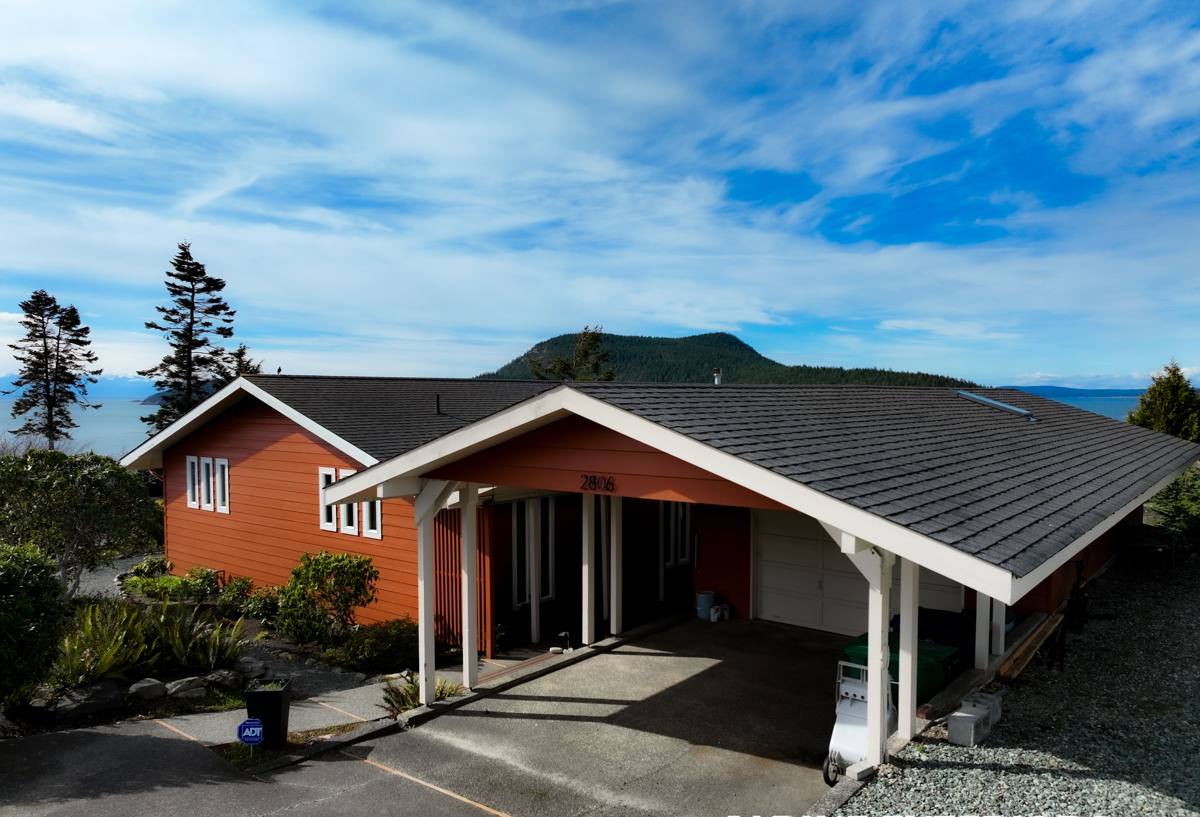
What Blaine's Climate Actually Does to a House
Salt Air
Homes close to Semiahmoo Bay and Drayton Harbor take on a steady dose of salt-laden air, especially on west- and northwest-facing walls that catch wind coming off the water. Salt is corrosive to metal fasteners, flashing, and hardware, and it accelerates the breakdown of coatings and finishes that weren't built to handle it. Over years, that shows up as premature rust streaking, pitted metal trim, and paint or coating failure well ahead of schedule.
Driving Rain
Whatcom County doesn't get the heaviest rainfall totals in the state, but Blaine's exposure to wind off the water means a lot of that rain arrives sideways rather than straight down. Wind-driven rain finds every gap in flashing, every under-caulked window edge, and every seam where a lesser material relies on paint or sealant alone to keep water out. It's a different stress than a simple downpour — it tests the actual water-management detailing of an exterior, not just its surface.
A Long Moss Season
Cool, damp, and shaded conditions persist for much of the year here, and that's exactly what moss and algae need to take hold. North-facing walls, roof valleys, and anything under tree cover in Blaine's wooded lots tend to stay damp longer between dry stretches. Moss doesn't just look bad — it holds moisture against the surface underneath it, which is a problem for wood trim, some siding materials, and roofing alike.
None of this is unusual for the Pacific Northwest coast, but Blaine gets a concentrated version of it because of how close the town sits to open water and how much of the year stays cool and wet. Exterior materials and installation details that are "fine" fifteen miles inland can fall short here.
Siding: Why We Standardize on James Hardie
Siding is the single biggest factor in how a Blaine home holds up over time, because it's carrying constant exposure on every wall, all year. We install James Hardie fiber cement siding exclusively. We don't install vinyl, LP SmartSide, Cemplank, Allura, or bare cedar or primed spruce, and we think homeowners deserve to know why before they commit to a material.
What Salt Air and Rain Do to Common Alternatives
- Vinyl siding can warp, fade, and become brittle with UV and temperature swings, and its seams and panels rely on lap fit rather than a rigid, factory-cured surface — a real liability in wind-driven rain.
- Wood siding (cedar, primed spruce) needs disciplined recoating and caulking on a schedule most homeowners underestimate; skip a cycle in a moss-prone, damp climate like Blaine's and rot or moss growth gets a foothold fast.
- LP SmartSide and other engineered wood products perform reasonably when installation is precise, but they're wood-based and depend heavily on sealed edges and correct flashing to keep moisture from wicking into the panel core.
James Hardie fiber cement is non-combustible, engineered specifically for wet climates in its HZ5 product line, and finished at the factory with ColorPlus technology — a baked-on finish that resists fading and chipping far better than field-applied paint. It doesn't rot, and it isn't a food source for moss the way bare wood can be. It comes with a strong, transferable warranty that reflects the manufacturer's confidence in the product when installed to spec. That's the combination we want standing between a Blaine home and this climate: a material engineered for wet coastal conditions, not one that merely tolerates them if maintained perfectly.
Siding Material Comparison for Coastal Whatcom County
| Material | Moisture Behavior | Maintenance Demand | Typical Lifespan Here |
|---|---|---|---|
| James Hardie fiber cement | Does not rot; engineered moisture resistance in HZ5 lines | Low — factory finish, occasional wash | Decades with correct install |
| Vinyl | Sheds water but seams and panels can allow intrusion; warps with heat/cold cycling | Low, but limited repair options once damaged | Variable, shorter in high-wind exposure |
| Cedar / primed wood | Absorbs moisture without diligent sealing; prone to moss and rot in shaded, damp spots | High — recoat and re-caulk on a strict schedule | Shorter without consistent upkeep |
| Engineered wood (LP SmartSide, etc.) | Wood-core product; performance depends on flawless edge sealing and flashing | Moderate — edge and joint inspection matters | Depends heavily on installation quality |
Roofing for a Salt-Air, Moss-Season Climate
Roofs in Blaine deal with the same driving rain and moss pressure as siding, plus the added stress of standing water in valleys and around penetrations if drainage details are off. We pay particular attention to flashing at chimneys, vents, and roof-to-wall transitions, since that's where wind-driven rain finds its way in first. Ventilation matters too — a roof deck that can't breathe traps moisture underneath, which shortens the life of the roofing material regardless of brand. On homes with tree cover or north-facing roof planes, we also talk through moss management as part of the job, not as an afterthought once it's already established.
Windows: Keeping Wind-Driven Rain on the Outside
Window failures in this area are rarely about the glass itself — they're almost always about the seal, flashing, and frame material around it. Wind off the water pushes rain up and sideways against window edges in a way that a simple bead of exterior caulk was never meant to handle long-term. We install with proper flashing sequencing so water is directed back out rather than trapped behind the trim, and we pay attention to sill pans and head flashing on every opening, not just the ones that face the weather most directly. Corrosion-resistant hardware matters here too, given the salt content in the air.
Decks: Built for Standing Moisture and Moss
A deck in Blaine spends a lot of the year damp, and shaded decks under trees or on the north side of a house can stay that way for days at a stretch. That's a recipe for moss on walking surfaces (a real slip hazard) and for moisture getting trapped in ledger boards, joists, and fastener points if the structure wasn't built with drainage and airflow in mind. We build decking with attention to proper spacing, flashing at the ledger connection, and material choices suited to sustained damp exposure, rather than assuming a dry-climate deck detail will hold up here.
Why a Local Crew Matters in a Border Town
Blaine has its own microclimate within Whatcom County — closer to open water, more wind exposure, more shade in its wooded residential pockets — and that's different from what you'd plan for on the inland side of the county. A crew that works this area regularly knows which walls take the worst of the weather, which roof lines collect moss fastest, and how far to go with flashing and sealing details that would be overkill somewhere drier. That local knowledge shows up in fewer callbacks and fewer surprises a few years down the road, which matters more than it sounds like when you're talking about the exterior surfaces protecting your whole house.
What to Expect From Our Process
- An honest, no-pressure walkthrough of your home's actual exposure — which walls and roof planes take the worst of the salt air and driving rain
- A clear explanation of material recommendations and why, including why we only install James Hardie siding
- Attention to the water-management details (flashing, sealing, drainage) that matter more here than in a drier inland climate
- Straightforward answers about scope, materials, and what the job will involve before any work begins
Signs Your Blaine Home's Exterior Needs a Closer Look
- Moss or dark streaking building up on north-facing siding or roof valleys
- Paint or finish that's peeling, chalking, or fading faster than expected
- Rust staining around fasteners, flashing, or trim hardware
- Soft spots, warping, or visible gaps at siding seams and window trim
- Water pooling on deck boards or discoloration near ledger connections
Let's Talk About Your Home
If you're noticing any of the wear signs above, or you'd just like an honest read on how your siding, roof, windows, or deck are holding up against Blaine's climate, we're glad to take a look. There's no pressure and no obligation — just a straight assessment from a crew that knows this stretch of coastline. Use the form below to request a free estimate.