 Semiahmoo Exterior
 Exterior Contracting for Sumas, Washington
Sumas sits at the far northern edge of Whatcom County, tucked against the Canadian border along the Nooksack River lowlands. It's a small, close-knit community, and homes here take on a specific kind of wear that homeowners in drier parts of the state rarely have to think about. As a Semiahmoo Exterior Contractor crew working throughout Whatcom County, we've spent enough time on rooftops and siding jobs in this corner of the state to know what actually holds up here and what quietly fails a few years after installation.
This page walks through what Sumas homes are up against, how we approach siding, roofing, windows, and deck work for this area, and why hiring a crew that actually understands Northwest Washington conditions matters more than most homeowners realize until something goes wrong.
What the Climate Does to Sumas Homes
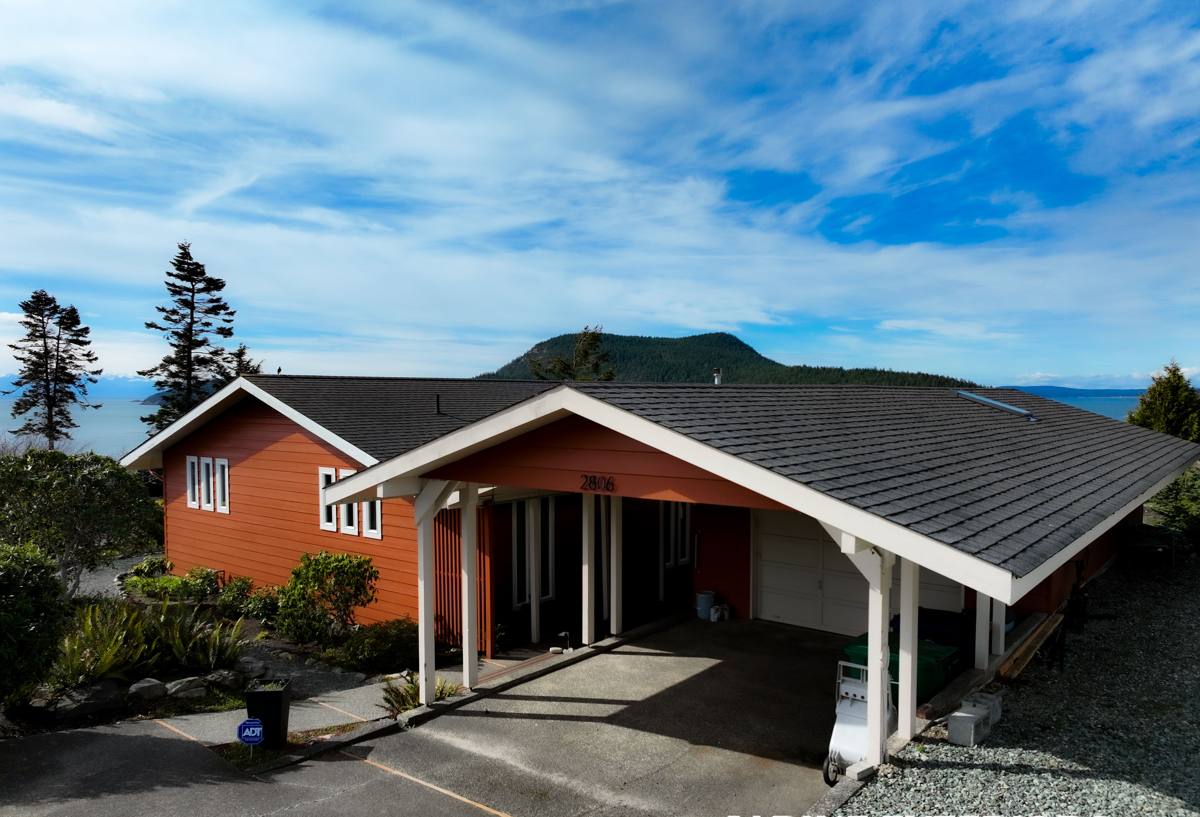
Whatcom County's exterior conditions are shaped by a few overlapping factors: marine-influenced air moving in off the Salish Sea region, driving rain that comes in sideways during winter storms, and long stretches of overcast, damp weather that never quite lets building materials fully dry out. Add in a moss season that can run from fall through spring, and you've got an environment that's genuinely hard on the outside of a house.
Moisture Is the Real Enemy
It's rarely a single storm that damages a home's exterior — it's the cumulative effect of moisture sitting against siding, working into seams, and finding its way behind poorly flashed trim. Driving rain, in particular, doesn't just fall straight down; wind pushes it sideways and upward under eaves and around window edges, which is why proper flashing and water management detail matters as much as the材料 itself.
Moss and Organic Growth
A long moss season means roofs, north-facing siding, and shaded areas of a home stay damp far longer than they would in a drier climate. Moss and algae don't just look bad — moss on a roof holds water against shingles and can work its way under tabs, and organic growth on siding traps moisture against the substrate, which is exactly the condition that causes rot, paint failure, and swelling in less moisture-tolerant materials.
Temperature Swings and Wood Movement
Whatcom County doesn't see the extreme heat of eastern Washington, but the freeze-thaw cycles of winter, combined with year-round dampness, put real stress on wood-based products. Materials that absorb moisture expand; when they dry and contract, that repeated cycle opens up cracks, warps boards, and eventually breaks down paint film and caulking faster than manufacturers' warranties assume.
Siding: Why We Only Install James Hardie
We are a James Hardie fiber cement siding contractor — that's the only siding system we install. We don't offer vinyl, LP SmartSide, Cemplank, Allura, primed spruce, or cedar, and that's a deliberate standard, not a limitation of what we're capable of installing.
In a climate like Sumas sees, the material choice matters more than most homeowners expect:
- Vinyl expands and contracts with temperature swings, can warp or buckle over time, and doesn't hold paint if a homeowner ever wants to change the color.
- Engineered wood products like LP SmartSide perform reasonably well when installed and maintained precisely, but they're wood-based — meaning moisture intrusion at a cut edge, nail hole, or failed caulk joint can lead to swelling and rot in a climate that stays damp as long as this one does.
- Primed spruce and cedar require diligent, ongoing maintenance — repainting, caulking, and moisture monitoring — to hold up against year-round dampness and moss growth, and that maintenance burden falls entirely on the homeowner.
- Cemplank and Allura are also fiber cement products, and fiber cement as a category is the right material family for this climate — we simply standardized on James Hardie specifically for its ColorPlus factory finish, its HZ5 engineered product line, and the strength of its transferable warranty.
James Hardie fiber cement is non-combustible, doesn't absorb moisture the way wood-based products do, and holds its factory-applied ColorPlus finish for years without the repainting cycle that wood and some engineered products demand. It's not immune to poor installation — flashing and joint detail still matter enormously — but the material itself is built for exactly the wet, moss-prone, temperature-swinging conditions Whatcom County produces.
James Hardie Product Lines We Work With
| Product | Best Use | Why It Fits This Climate |
|---|---|---|
| HardiePlank lap siding | Most common home exteriors | Engineered HZ5 formulation for the Pacific Northwest's moisture and freeze-thaw patterns |
| HardiePanel vertical siding | Modern facades, accent walls | Clean lines with the same non-combustible, moisture-resistant core |
| HardieTrim boards | Window and corner trim | Resists the swelling and rot that plagues wood trim in damp climates |
| HardieShingle siding | Accent gables, dimensional detail | Shingle look without the moisture uptake of cedar shakes |
Roofing for Long Moss Seasons
Roofing in Sumas has to account for both driving rain and extended moss exposure. A roof that's correctly installed with proper underlayment, flashing at every penetration, and adequate ventilation will shed water and resist moss far better than one installed to minimum code. We pay particular attention to:
- Ice-and-water shield or equivalent underlayment at eaves, valleys, and around penetrations, where wind-driven rain is most likely to find a way in.
- Proper attic ventilation, which keeps roof decking temperature more even and reduces the condensation that contributes to moss and algae growth from underneath.
- Metal flashing detail at chimneys, skylights, and roof-to-wall transitions — the single most common source of roof leaks we find on older Whatcom County homes.
- Zinc or copper strips near the ridge on request, which help inhibit moss regrowth on north-facing roof slopes over time.
Windows: Sealing Out Driving Rain
Window failures in this climate are almost always about water management, not the glass itself. Old or poorly installed windows let wind-driven rain past the frame, where it sits against wall sheathing and framing that never gets a chance to fully dry. When we replace windows, we treat flashing and integration with the siding system as part of the job — not an afterthought — because a well-sealed window paired with poorly flashed siding still leaks, and vice versa.
Signs a Sumas Home's Windows Need Attention
- Fogging or condensation between panes, indicating a failed seal
- Soft or discolored trim around window frames
- Drafts or water staining on interior sills after storms
- Visible gaps or cracked caulking at the frame-to-siding joint
Decks: Built for Wet Ground and Wet Air
Decks in Whatcom County deal with moisture from both directions — rain from above and damp ground or vegetation below, especially on properties with mature trees or limited sun exposure. Ledger board flashing, proper joist spacing, and using fasteners and hardware rated for wet, coastal-influenced environments all matter here. We also pay attention to how a deck's structure and boards will handle the same moss and algae pressure that affects roofs and siding — smooth, well-drained surfaces resist buildup better than rough-sawn or poorly ventilated decking.
Why a Local Crew Matters
A contractor who mostly works in a drier climate, or who treats every job with the same generic specs regardless of region, will often under-flash a roof valley, skip a moisture barrier detail, or size ventilation for a climate that isn't this one. Those shortcuts don't show up on installation day — they show up two, five, or ten years later as rot, leaks, or premature material failure. Working consistently in Whatcom County means we've seen what actually goes wrong on homes here, and we build in the extra flashing, ventilation, and material choices that this specific climate demands, not just the code minimum.
What to Expect When You Work With Us
- An on-site assessment of your home's current siding, roofing, window, or deck condition — including where moisture is already causing problems
- A clear explanation of material options and why we recommend what we recommend, including the honest trade-offs of alternatives to James Hardie
- Attention to flashing, ventilation, and water management detail at every transition point, not just the visible surface material
- A written estimate before any work begins, with no pressure to sign on the spot
Get a Free Estimate for Your Sumas Home
If your Sumas home is dealing with moss buildup, aging siding, roof concerns, or drafty windows, we're happy to take a look and give you an honest read on what's going on and what it would take to fix it right. Fill out the form below for a free, no-pressure estimate.