 Semiahmoo Exterior
 Siding Installation in Ferndale: Built for Whatcom County Weather
Ferndale sits close enough to the water and far enough into the Pacific Northwest weather pattern that siding here has to do more work than siding in a dry inland climate. Homes in this part of Whatcom County deal with salt-laden air drifting off the Strait, long stretches of driving rain in the fall and winter, and a moss and algae season that can run most of the year on shaded north-facing walls. Siding that isn't built or installed for that combination fails early — not always dramatically, but in ways that add up: swelling seams, soft spots, streaking, and paint that gives out years before it should.
This page is about one job done right in one area: new siding installation for Ferndale homes. Not a general overview of siding options, not a citywide pitch — the specific things a correct installation needs to account for here, and how we handle them.
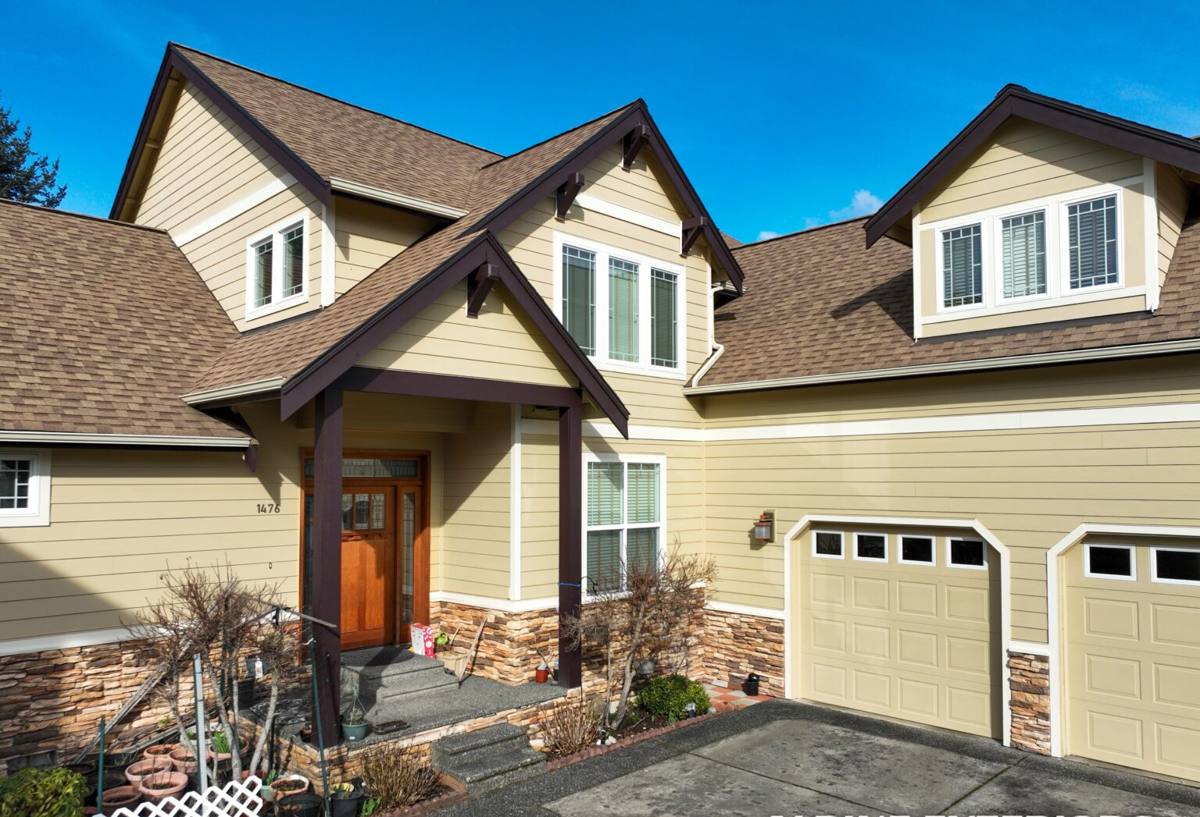
What Ferndale's Climate Actually Does to Siding
Salt Air
Proximity to Semiahmoo Bay and the Strait of Georgia means airborne salt is a real factor on homes throughout this area, not just on waterfront lots. Salt-laden moisture accelerates corrosion on fasteners and metal trim, and it degrades cheaper paint finishes faster than a standard exterior-grade coating is rated for. Over years, that shows up as chalking, fading, and rust bleed at nail heads and flashing.
Driving Rain
Whatcom County doesn't just get rain — it gets wind-driven rain that hits siding at an angle instead of running straight down. That matters because it pushes water into laps, seams, and butt joints that would stay dry in a calmer climate. Siding systems and installation details that aren't built for driving rain will eventually let moisture behind the cladding, and once that happens the sheathing and framing underneath are at risk long before anyone notices a problem from the curb.
Moss and Algae Season
Shaded, north- and west-facing walls in Ferndale stay damp for extended stretches, especially under eaves, near landscaping, and on the shadier sides of two-story homes. That's exactly the environment moss and algae need. Siding materials that hold surface moisture, or finishes that aren't algae-resistant, will show green and black staining faster here than almost anywhere drier.
What a Correct Siding Installation Needs to Include
Given all of that, a siding job in Ferndale isn't just "install the panels." The details that actually determine how the wall performs in year eight, not just how it looks on day one, are:
- A weather-resistive barrier installed correctly, with proper laps and no punctures left unsealed
- Rain screen or drainage gap where the wall assembly calls for it, so bulk water can drain and the wall can dry
- Correct flashing at every window, door, and penetration — the single most common source of hidden water damage on older installs
- Fastener placement and spacing that matches the manufacturer's installation instructions, not just "close enough"
- Caulking and sealant only where the manufacturer specifies it — over-caulking traps moisture just as badly as under-caulking lets it in
- Proper clearance at grade, decks, and roof lines so siding isn't sitting in standing water or snow load
Skip any one of these and the siding can look fine for a few years while the real damage happens behind it, out of sight.
Why We Install James Hardie Fiber Cement — and Nothing Else
We made a decision as a company to install James Hardie fiber cement siding exclusively. We don't install vinyl, LP SmartSide, Cemplank, Allura, or primed wood species like spruce or cedar. That's not a marketing position — it's a standard we hold because of what we've seen happen to each of those products in exactly this kind of climate.
Vinyl is inexpensive and easy to install, but it expands and contracts significantly with temperature swings, and in driving rain it relies almost entirely on lap geometry rather than a sealed surface — water that gets behind it has nowhere good to go. Wood-based products, including engineered wood and primed cedar or spruce, are organic materials at their core, and organic materials in a wet, moss-prone climate need near-perfect maintenance to avoid moisture absorption and rot at cut edges and seams. Fiber cement products other than Hardie can be reasonable systems, but we standardized on one manufacturer so our crews master one set of installation details rather than splitting attention across several.
James Hardie fiber cement is non-combustible, dimensionally stable across wet and dry cycles, and comes with a factory-applied ColorPlus finish that's baked on and warranted against fading — a real advantage in salt air, where field-applied paint takes the first hit. Hardie's HZ5 product line is engineered specifically for cold and wet climate zones, which describes Whatcom County well. It also carries a strong transferable warranty, which matters to homeowners who may sell within the warranty period.
Product Comparison for This Climate
| Material | Salt Air Behavior | Driving Rain / Moisture | Moss & Algae Resistance |
|---|---|---|---|
| James Hardie Fiber Cement | Factory finish resists fading and chalking | Dimensionally stable, engineered lap detail | Finish formulated to resist growth |
| Vinyl | Can chalk and become brittle over time | Relies on loose lap fit; can trap water behind panels | Growth possible in shaded, damp areas |
| Engineered Wood (LP SmartSide) | Field finish more exposed to salt degradation | Edge sealing critical; vulnerable if compromised | Organic substrate needs consistent upkeep |
| Primed Cedar/Spruce | Requires frequent refinishing near salt air | Absorbs moisture at end grain and joints | Highest maintenance burden in damp shade |
Our Process for a Ferndale Siding Installation
1. On-Site Assessment
We walk the home and look specifically at exposure: which walls take the most wind-driven rain, which stay shaded and damp longest, and where the existing siding or sheathing shows signs of past moisture intrusion.
2. Tear-Off and Sheathing Check
Old siding comes off and we inspect the sheathing underneath before anything new goes up. This is the point where hidden rot or moisture damage from a prior installation gets found and addressed — not covered over.
3. Weather Barrier and Drainage Plane
We install the weather-resistive barrier and drainage gap correctly the first time, since this layer is what protects the wall long after the visible siding is up.
4. Flashing at Every Opening
Every window, door, and penetration gets flashed to shed water outward, not trap it against the sheathing.
5. Hardie Installation to Manufacturer Spec
Fastener spacing, gapping, and caulking follow James Hardie's published installation instructions, which is also what keeps the manufacturer's warranty intact.
6. Final Walkthrough
We review the finished job with the homeowner and point out anything worth knowing for long-term upkeep, particularly on shaded elevations.
Why It Matters That We Already Work in Ferndale
A crew that installs siding across a wide range of climates has to relearn local conditions on every job. A crew that already works Ferndale and the surrounding Semiahmoo area knows which elevations on a typical local home take the worst of the driving rain, how much of a head start moss gets on a shaded wall here versus somewhere drier, and where salt exposure tends to show up first on a lap joint or fastener. That local pattern recognition doesn't replace following the manufacturer's spec — it's what tells us where to be extra careful applying it.
Signs Your Current Siding May Already Be Failing
- Soft spots or visible give when you press on the siding, especially near the bottom courses
- Persistent green or black staining that returns quickly after cleaning
- Peeling or bubbling paint, particularly on walls that face prevailing wind and rain
- Visible gaps, warping, or buckling at seams and corners
- Rust streaking at fastener heads or metal trim
- Rising energy bills that suggest the wall assembly is no longer doing its job
What Correct Installation Costs You in the Long Run
Cutting corners on installation — skipping the rain screen, under-flashing an opening, over-caulking a joint that's supposed to breathe — rarely shows up as a problem in the first year or two. It shows up five to ten years later as rot, mold, or a siding replacement that comes far sooner than it should have. The cost of doing it right the first time is almost always less than the cost of doing it twice.
If you're planning a siding replacement or new installation in Ferndale, we're happy to take a look at your home and walk you through what we'd recommend and why. The estimate is free, there's no pressure, and you're welcome to use the form on this page to get started.