 Semiahmoo Exterior
 Windows Built for California Creek's Weather, Not Just Its View
California Creek sits close enough to Semiahmoo Bay and Drayton Harbor that homes here take a different kind of weather beating than houses further inland in Whatcom County. It's not one big storm that wears out a window — it's the daily grind of salt-laden air off the water, wind-driven rain that hits window walls sideways instead of straight down, and long stretches of gray, damp months where moss and algae get a foothold on anything that stays wet. Windows in this pocket of the county work harder than most people realize, and a window that was a fine choice in a dry inland climate can start failing here years before it should.
When we talk about custom windows for California Creek, we mean windows sized, sealed, and specified for this exact exposure — not a generic big-box unit dropped into an opening and caulked around the edges. The difference shows up five, ten, and twenty years down the road, usually as soft trim, fogged glass, or a window that won't latch tight anymore.
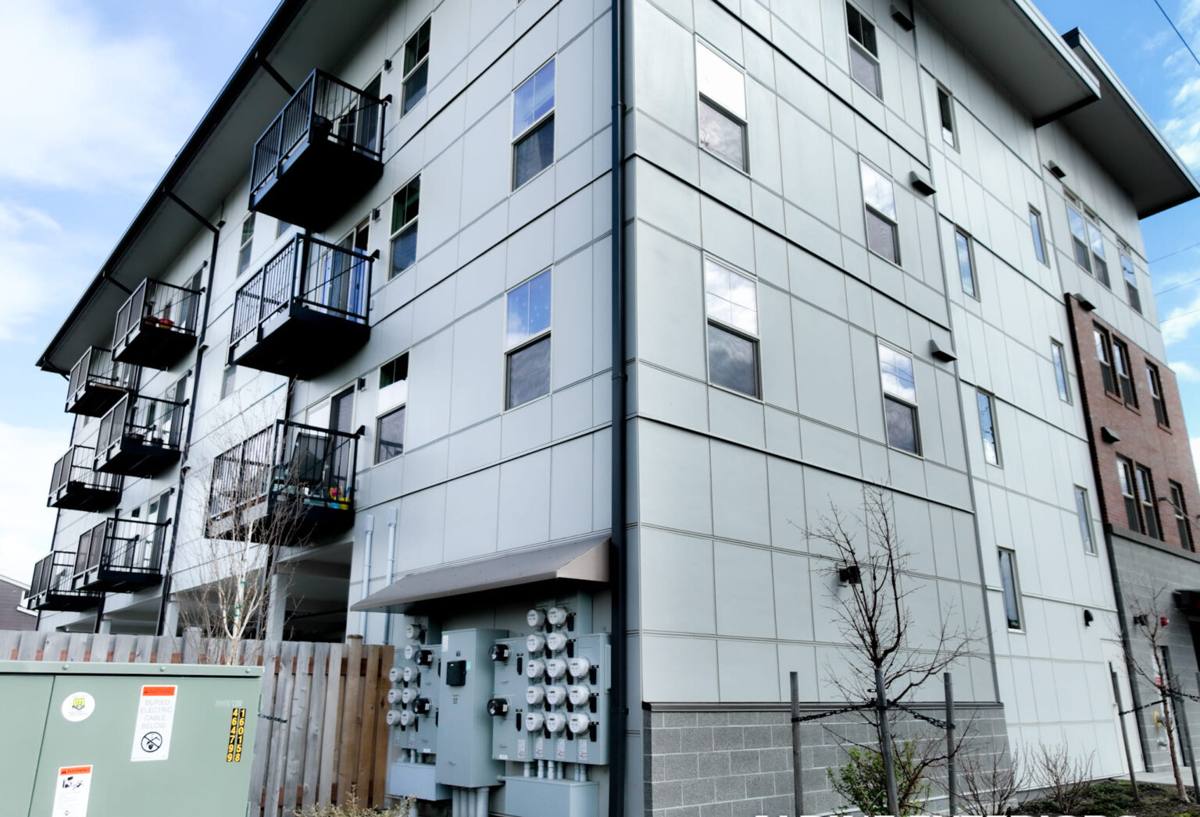
What Salt Air and Driving Rain Actually Do to a Window
Salt air is corrosive to metal hardware — hinges, cranks, locks, and even some window frame reinforcements — well before it does visible damage to glass or vinyl. Homes with a direct or semi-direct water exposure see hardware pitting and stiffening years ahead of the same window installed a few miles inland. Combine that with driving rain, which pushes water sideways into joints and gaps that a straight-down rain would never reach, and you get a much higher demand on the flashing, sealant, and drainage details around each window — not just the window unit itself.
Add in the region's long moss season, and you get a third problem: organic growth on sills, tracks, and exterior trim that holds moisture against the frame far longer than it would in a drier climate. Moss doesn't just look bad — it keeps wood and even some composite trim wet for weeks at a time, which is exactly the condition that causes rot and hardware corrosion to accelerate.
The Three-Part Problem
- Salt air: corrodes hardware, degrades some finishes, and accelerates wear on seals and gaskets
- Driving rain: tests flashing and sealant details at the window perimeter, not just the glass unit
- Moss and damp: keeps sills, tracks, and trim wet longer, encouraging rot and slower drainage
What a Correct Installation Actually Involves
Most window problems we get called out to fix in this area aren't glass failures — they're installation failures. The window itself was fine; the flashing, sealant, or sill pan around it wasn't done for the exposure. A correct job in California Creek includes:
- Removing the old window fully and inspecting the rough opening for hidden rot or moisture damage before anything new goes in
- Installing a sloped sill pan so any water that gets past the window drains back out, rather than sitting against the sill
- Proper flashing tape and house wrap integration at the head, jambs, and sill — lapped in the correct order so water sheds down and out
- Sealant chosen for UV and salt exposure, not a generic caulk that chalks and cracks within a few seasons
- Hardware and fasteners rated for coastal exposure, since standard-grade screws and hinges corrode faster this close to the water
- Interior and exterior trim sealed and finished so moisture can't wick in around the edges
Skip any one of these steps and the window itself can be excellent quality and still fail early — usually as a leak inside the wall cavity that isn't visible until there's already damage.
Choosing Window Materials for This Exposure
There's no single "best" window material for every home — it depends on your home's age, siding, budget, and how exposed the specific wall is to wind and salt spray. Here's how the common options generally hold up in a California Creek / Semiahmoo setting:
| Material | Coastal Performance | Maintenance | Typical Fit |
|---|---|---|---|
| Vinyl | Good — won't rot or corrode, handles moisture well | Low — occasional cleaning | Most homes, budget-conscious replacements |
| Fiberglass | Very good — stable in temperature swings, resists warping | Low | Higher-exposure walls, longer-term ownership |
| Aluminum-clad wood | Good exterior protection, but hardware and seams need attention | Moderate — watch cladding seams and corners | Homes wanting a wood interior look |
| Solid wood | Weakest in this climate without diligent upkeep | High — repainting, sealing, hardware checks | Historic or architecturally specific homes only |
We're honest with clients about wood: it can look great, but it demands a level of ongoing maintenance that most homeowners underestimate in a salt-air, high-moisture environment. If you want the look of wood without the upkeep burden, an aluminum-clad or high-quality vinyl option with a wood-look interior finish is usually the more realistic long-term choice.
Glass and Frame Details Worth Asking About
Beyond the frame material, a few glass and seal details matter more here than in a drier climate:
- Double or triple-pane insulated glass with a durable warm-edge spacer — cheap spacers are often the first thing to fail, showing up as fogging between panes
- Low-E coatings to help manage heat loss during the region's long cool, damp stretches
- Corrosion-resistant hardware — look for marine-grade or coastal-rated finishes on locks, cranks, and hinges rather than standard-grade
- Weep hole design that actually drains in wind-driven rain conditions, not just still-air rain
Our Process for a California Creek Window Job
We walk every job the same way, whether it's one window or a whole-house replacement:
- On-site assessment — we look at the specific wall's exposure to wind and water, not just the window itself, and check for existing moisture or rot around current openings
- Measurement and product selection — sizing custom units to your actual openings rather than forcing standard sizes, and matching material to that wall's exposure level
- Removal and opening inspection — old windows come out fully so we can see the condition of the framing before closing anything back up
- Sill pan, flashing, and install — done in the correct shingle-lap order so water always sheds outward and down
- Sealing and trim — interior and exterior finish work sealed against the moisture and salt exposure specific to this area
- Final walkthrough — we check operation, locks, and weep function with you before we call the job done
What Drives the Cost of a Window Job Here
Every home is different, so we won't quote a number without seeing the site, but these are the main factors that move the price up or down:
| Factor | Why It Matters |
|---|---|
| Window material | Vinyl, fiberglass, and clad-wood carry different unit and labor costs |
| Rough opening condition | Hidden rot or old moisture damage adds repair work before the new window goes in |
| Wall exposure | Direct wind/water-facing walls may call for upgraded flashing and hardware |
| Number and size of openings | Larger jobs typically bring down the per-window cost |
| Custom sizing or shape | Non-standard openings cost more than stock sizes |
| Trim and finish work | Matching existing interior/exterior trim adds labor time |
As a general rule, budget for a range rather than a fixed figure until we've actually looked at your openings — a straightforward vinyl swap in a good rough opening costs meaningfully less than a custom-sized fiberglass window on a wall with existing moisture damage to repair first.
Why Local Installation Experience Matters Here
Window installers who mostly work inland don't always think about sill pans, weep function, or hardware corrosion the same way — because their jobs don't demand it. A crew that regularly works properties around Semiahmoo and Whatcom County's water-facing neighborhoods has already seen what happens when those details get skipped: the fogged units, the soft sills, the corroded cranks that show up five years after a rushed install. That experience shapes how we flash, seal, and spec every window we put in around here, before a problem ever has the chance to start.
Signs Your Current Windows Are Losing the Battle
A few warning signs tend to show up specifically in this kind of coastal, high-moisture climate:
- Fogging or haze between panes of double-glazed windows (a failed seal, not a cleanable smudge)
- Hardware — locks, cranks, hinges — that's stiff, pitted, or won't fully latch
- Soft or spongy wood at the sill or trim when pressed with a thumb
- Persistent moss or dark staining on sills and lower trim that keeps returning after cleaning
- Noticeable draft or cold spots near the frame during windy, rainy weather
- Difficulty opening or closing that wasn't there a year or two ago
Catching these early is almost always cheaper than waiting for a full leak to show up inside a wall.
Maintaining Custom Windows in a Salt-Air, High-Moss Climate
Even a well-installed window benefits from a bit of seasonal attention in this climate:
- Rinse salt residue off frames and glass periodically, especially after storms with onshore wind
- Clear moss and debris from sills, tracks, and weep holes so water can actually drain
- Lubricate hardware on a basic annual schedule to slow corrosion from salt exposure
- Check exterior caulking each year for cracking or gaps, and re-seal before the wet season sets in
- Keep gutters and downspouts clear so runoff isn't dumping extra water directly onto window walls
If your California Creek home has windows that are fogging, sticking, or just past their working life, we're happy to come take a look and give you an honest, no-pressure estimate — there's a form below to get started.