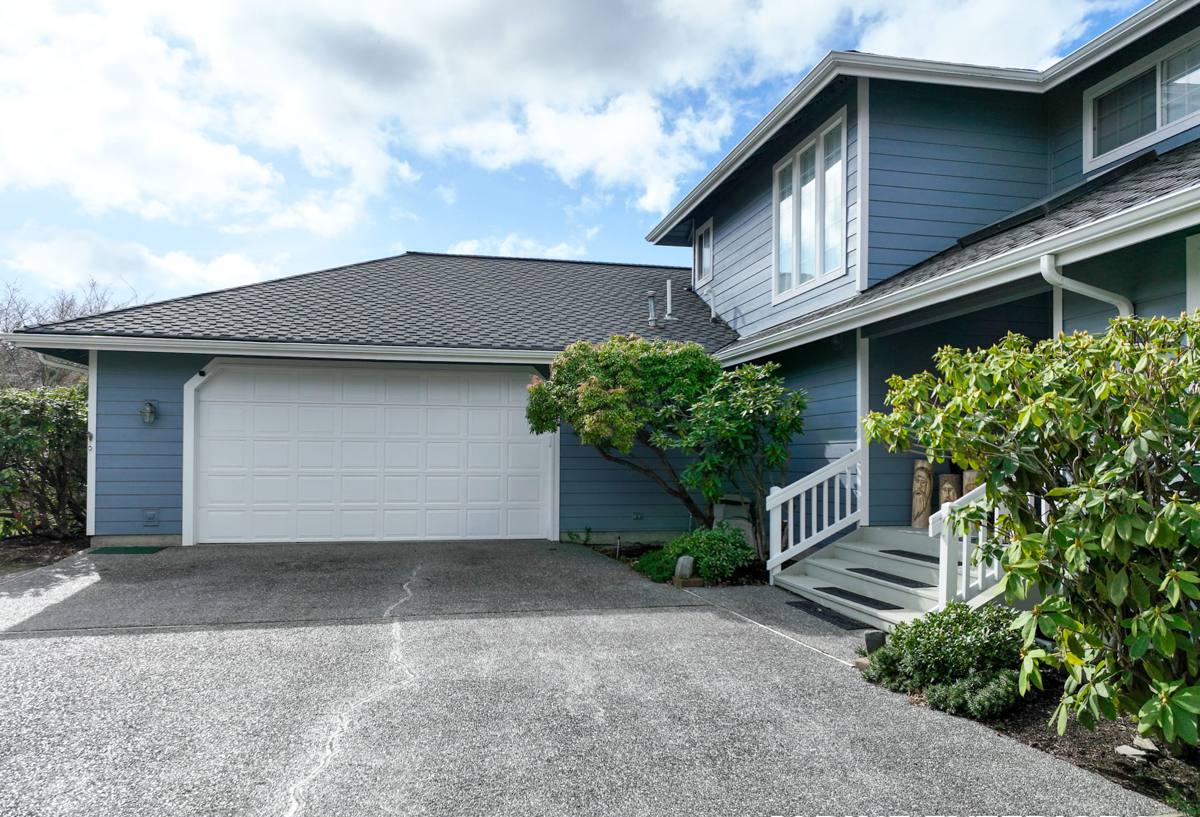
 Semiahmoo Exterior
 Deck Repair Built for the Semiahmoo Resort Environment
Decks at Semiahmoo Resort sit in one of the toughest microclimates in Whatcom County for exterior wood and hardware. The spit puts homes and condos directly in the path of salt-laden air off Semiahmoo Bay and Drayton Harbor, while winter storms bring driving, wind-blown rain that gets under railings and into board gaps most inland decks never see. Add the shade from mature evergreens and a long, damp moss season, and you have a combination that ages a deck faster than almost anywhere else in the region. A deck repair here isn't the same job as a deck repair twenty miles inland — the materials, fastener choices, and sequencing all need to account for what this specific location does to a structure year after year.
What Salt Air, Rain, and Moss Actually Do to a Deck
Salt Air and Corrosion
Airborne salt is conductive and hygroscopic, meaning it holds moisture against metal and accelerates rust and corrosion far beyond what standard hardware ratings assume. On a deck near the water, this shows up first in fastener heads that bleed rust streaks into the decking, joist hangers that weaken at the bend points, and railing brackets that seize or crack. Once corrosion starts on structural hardware, it's a safety issue, not just a cosmetic one — a rusted-through hanger or ledger bolt can fail under normal use.
Driving Rain and Wind-Blown Moisture
Rain that comes in sideways off the bay finds its way into places a straight-down rain never would: behind fascia boards, under top rails, and into the end grain of decking where cuts weren't sealed. That moisture doesn't dry out quickly in our climate, which means rot has months at a time to work on framing members and board ends before a homeowner ever notices soft spots.
Moss and Shaded, Slow-Drying Surfaces
Semiahmoo's tree cover and marine humidity keep a lot of deck surfaces damp long after a storm passes. Moss and algae take hold on any spot that doesn't get direct sun or good airflow, and once established they hold water against the wood surface constantly. That turns a maintenance nuisance into a structural one — moss-covered boards are also slippery and become a fall hazard in wet weather, which is common for most of the year here.
Signs a Semiahmoo Resort Deck Needs Repair
Most deck problems in this area start small and stay hidden until they've had a season or two to spread. A quick visual and physical check can catch issues while they're still a repair instead of a rebuild.
- Soft, spongy, or bouncy spots when you walk across the decking
- Rust streaking below screw heads, joist hangers, or railing hardware
- Green or black film on boards that stay shaded most of the day
- Gaps opening up between boards, or boards cupping and pulling at fasteners
- Railings that flex, wiggle, or feel less solid than they used to
- Visible rot or discoloration where posts meet the ground or a concrete footing
- Water pooling instead of draining off the deck surface after rain
- A musty smell coming from underneath the deck structure
Any one of these on its own might be minor. Two or three together, especially near the water side of a home, usually means the damage has moved past the surface and into the framing.
What a Correct Deck Repair Involves
A repair that actually holds up in this environment goes further than swapping out a few obviously bad boards. Doing it right means checking the parts of the deck you can't see from the surface, not just patching what's visible.
Structural Framing First
Before any decking goes back down, the ledger board connection to the house, the joists, the beams, and the posts need to be checked for rot, corrosion, and proper spacing. This is the part of the job that determines whether a deck is actually safe, and it's also the part that's easiest to skip if a crew is only focused on cosmetics.
Fasteners and Hardware
Given the salt exposure, hardware selection matters as much as the wood itself. We use fasteners and connectors rated for coastal or salt-air exposure rather than standard interior-grade hardware, because standard-grade screws and hangers are one of the most common early-failure points we find on decks in this area.
Decking and Board Replacement
Damaged boards get replaced individually where possible rather than resurfacing over a compromised structure. End cuts on new boards get sealed, and spacing between boards is set to allow for proper drainage and airflow — tight, un-sealed board gaps are one of the main reasons moisture gets trapped and moss takes hold.
Railings and Guards
Railing posts and connections take constant wind load near the water and are also a life-safety item. Any repair touching a railing includes checking the post-to-frame connection, not just the visible rail cap.
Drainage and Airflow
Where a deck's design is contributing to moss or rot — poor slope, no gap at the house wall, dense landscaping blocking airflow — we address that as part of the repair, not as a separate future project, because fixing the wood without fixing the moisture source just buys a few more years before the same repair is needed again.
Repair vs. Replace: How We Help You Decide
Not every deck with problems needs to be torn out. The decision usually comes down to how much of the structural framing is affected versus just the surface decking and hardware.
| Factor | Points Toward Repair | Points Toward Replacement |
|---|---|---|
| Framing condition | Ledger, joists, and posts are sound | Rot found in multiple structural members |
| Extent of damage | Isolated boards or hardware | Widespread rot, corrosion, or sagging |
| Deck age | Under 15-20 years, built to a reasonable standard | Older deck, outdated framing or attachment method |
| Moisture source | Can be corrected (drainage, gaps, flashing) | Design flaw affects the whole structure |
| Budget goals | Extend usable life at lower cost | Want a long-term reset, possibly new footprint or material |
Costs vary based on square footage, framing access, and how much hardware needs upgrading, so we avoid quoting numbers before actually seeing the deck. What we can say honestly: catching problems while they're still framing-sound is almost always the more affordable path, which is why we recommend addressing the early warning signs rather than waiting for a full rebuild to become the only option.
Why Local Experience at Semiahmoo Resort Matters
A crew that already works on decks in this specific area knows things a general contractor coming in cold won't — which orientations take the worst of the wind off the bay, which fastener grades hold up and which ones don't, and how much drainage slope actually works once moss and shade are factored in. That experience shortens the inspection process and reduces the chance of a repair that looks right on day one but fails again in two winters because it wasn't built for this exposure.
Working within Semiahmoo Resort also means understanding the practical side of the job — coordinating access, working around resort or community guidelines where they apply, and being efficient on-site so a repair doesn't turn into a long, disruptive project. Homeowners here are often dealing with second homes or properties they're not at daily, so clear communication and a crew that shows up when scheduled matters as much as the repair work itself.
Our Deck Repair Process
We keep the process straightforward because homeowners deserve to know exactly what's happening to their deck and why.
- Inspection: We check the decking surface, fasteners, railings, and get underneath to inspect framing, ledger connection, and posts.
- Honest assessment: We tell you what's failing, what's still sound, and whether repair or replacement makes sense — with the reasoning explained, not just a number.
- Plan and materials: We select decking and hardware rated for this climate's salt and moisture exposure, and address any drainage or airflow issues contributing to the damage.
- Repair work: Structural issues get fixed first, then decking, then railings and finish details.
- Walkthrough: We go over what was done and what to watch for going forward, including any moss or drainage maintenance that will help the repair last.
Keeping a Repaired Deck in Good Shape
Once a deck is repaired correctly, a little seasonal attention goes a long way in this climate. Clearing debris and moss buildup before it becomes established, keeping gutters and downspouts directing water away from the deck structure, and doing a quick fastener and railing check each fall ahead of storm season all help protect the work. None of this requires special equipment or expertise — it's mostly about not letting moisture sit against wood or hardware for months at a time, which is the single biggest factor working against decks in this part of Whatcom County.
Get an Honest Look at Your Deck
If your deck at Semiahmoo Resort has soft spots, rusting hardware, moss buildup, or railings that don't feel as solid as they should, it's worth having someone look before another wet season adds to the damage. We offer free, no-pressure estimates — we'll tell you plainly what we find, what it needs, and what your options are, with no obligation to move forward. Use the form below to request a visit.