 Semiahmoo Exterior
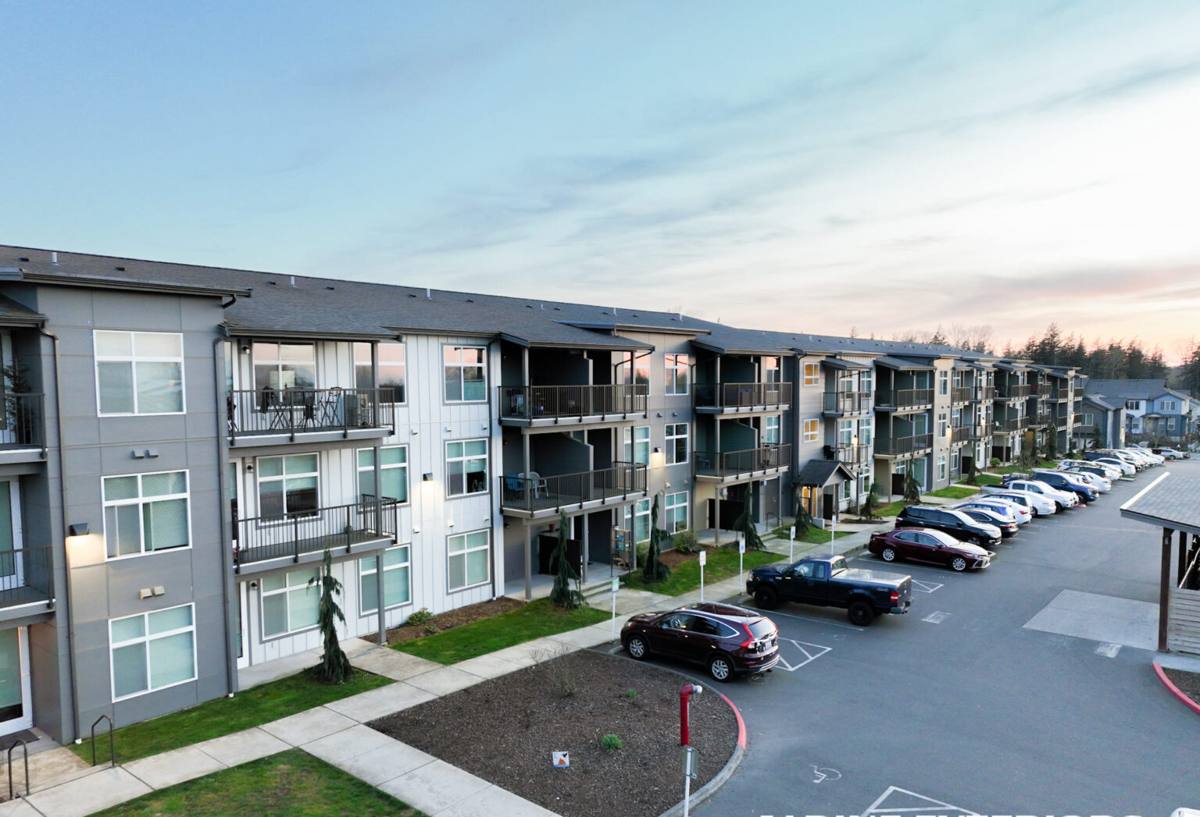
 Board & Batten Siding on a Bluff Above Semiahmoo Bay
Semiahmoo Resort sits about as close to the water and the border as a Whatcom County property can get. That location gives homes here a look that board and batten siding suits particularly well — clean vertical lines, a slightly more contemporary or Pacific Northwest lodge feel than lap siding, and strong shadow lines that hold up from the road and from the water side of the property. It also means the siding on these homes takes a harder environmental beating than siding almost anywhere else in the county. Salt-laden air off Semiahmoo Bay and Drayton Harbor, wind-driven rain that comes in sideways off the water, and long stretches of shaded, damp shoulder-season weather that favor moss and algae growth are simply part of owning property here. Board and batten siding done right can handle all of that for decades. Done wrong — with the wrong material, the wrong batten spacing, or sloppy flashing — it becomes a maintenance headache within a few years.
Why the Local Climate Changes How Board & Batten Should Be Built
Board and batten is a vertical siding profile: wide flat panels (or boards) with narrow battens covering the seams. The look is simple, but the physics behind a good installation are not, and Semiahmoo Resort's conditions push on every weak point in that system.
Salt Air
Airborne salt from Semiahmoo Bay accelerates corrosion on anything metal — fasteners, flashing, trim caps. It also breaks down paint films and cheap coatings faster than inland exposures. Vertical siding has more seams and more exposed fastener heads per square foot than horizontal lap siding, so the fastening system and the factory finish matter even more here than on a typical inland Whatcom County home.
Driving Rain
Board and batten relies on the batten strips to shed water off the panel joints below. When wind drives rain sideways — common on exposed lots near the bay — water can be forced up and under battens that aren't spaced, fastened, or flashed correctly. That's the single most common cause of hidden rot behind board and batten siding in coastal Washington.
Long Moss Season
Shaded north- and west-facing walls near mature trees or close to the water hold moisture longer into spring and start collecting it earlier in fall. Moss and algae need that sustained dampness to take hold, and they take hold fastest on porous, absorbent siding materials — not on a properly sealed, factory-finished fiber cement panel.
Why This Company Installs Board & Batten Only in James Hardie Fiber Cement
We get asked why we don't offer board and batten in cedar, primed spruce, LP SmartSide, or vinyl. Each of those has a legitimate place in the market — we simply won't put our name on them for a coastal Whatcom County home, and we think homeowners deserve the honest reason why.
- Cedar and primed spruce board and batten are wood. Wood absorbs moisture, and in a salt-air, high-moisture environment that means recurring paint failure, cupping boards, and rot risk at the batten laps unless the owner keeps up an aggressive repaint and caulk schedule.
- LP SmartSide is an engineered wood product. It performs well in many climates, but it's still wood-based and depends on strand orientation and edge sealing staying intact — a weak point at the many cut edges a vertical batten pattern requires.
- Vinyl board and batten is affordable and low-maintenance in mild climates, but it's a thin plastic product that can crack in cold snaps, fade faster under direct exposure, and simply doesn't hold the crisp, deep shadow lines that make board and batten look intentional rather than flat.
James Hardie fiber cement is cement, sand, and cellulose fiber — it doesn't rot, it isn't fuel for pests, and it doesn't burn. It comes from the factory with ColorPlus finish baked on, which resists the salt-air fading and chalking that shortens the life of field-applied paint. For a resort-area coastal property, that's the difference between siding you touch up every few years and siding you largely forget about.
What a Correct Board & Batten Installation Involves
Board and batten looks simple from the curb, but it has more places to get wrong than lap siding does. A correct installation on a Semiahmoo Resort home includes:
- A fully lapped weather-resistive barrier behind the panels, with all penetrations and seams properly taped — this is the actual waterproofing layer; the siding is the second line of defense, not the first.
- Correct panel-to-batten spacing per James Hardie's published fastening and coverage specs, not "close enough" field judgment.
- Stainless or hot-dip galvanized fasteners rated for coastal exposure — this matters more here than almost anywhere else in the county because of the salt air.
- Proper flashing at every horizontal transition: window and door heads, deck ledgers, roof-to-wall intersections, and the base of the wall where it meets grade or a foundation.
- Correct gaps and sealant at inside corners, outside corners, and trim, sized to allow for the material's normal expansion and contraction.
- Kick-out flashing at every roof-wall intersection that drains toward a wall — a small detail that's the source of a large share of hidden rot claims in wet coastal climates.
Skip any one of these and the siding can look fine for a year or two while water quietly gets behind it. That's why we treat the water management system behind the panels as equally important as the panels themselves.
Where We See Board & Batten Fail on Homes Near the Water
When we're called out to look at failing siding on properties in this area, the pattern repeats:
| What we find | Why it happens here |
|---|---|
| Rot at the base of battens near grade | Missing or undersized flashing combined with splash-back from driving rain |
| Persistent moss on shaded walls | Absorbent siding material plus long, damp shoulder seasons that never fully dry the surface |
| Rust streaking down panel faces | Non-coastal-rated fasteners corroding in salt air and bleeding through the finish |
| Cupped or warped boards | Wood-based siding swelling and drying repeatedly with seasonal moisture cycles |
| Caulk failure at seams and trim | Standard sealant breaking down faster under UV, salt exposure, and constant wetting |
None of these are unusual products failing in unusual ways — they're the predictable result of a coastal, wet, shaded microclimate doing what it does to materials and details that weren't specified for it.
Our Process for a Semiahmoo Resort Board & Batten Project
1. On-Site Assessment
We walk the exterior, note sun and shade exposure, wind direction relative to the water, existing moisture or moss issues, and any trouble spots at roof lines, decks, and grade.
2. Water Management Plan
Before we talk panel color, we plan the weather-resistive barrier, flashing details, and kick-out locations specific to that house's rooflines and grading.
3. Material and Layout
We spec the James Hardie board and batten system — panel width, batten spacing, and trim profile — to match the home's proportions and the coastal fastening requirements.
4. Installation
Crews follow James Hardie's published installation instructions to the letter, since that's what keeps the manufacturer's warranty valid and keeps the wall assembly performing as designed.
5. Final Walkthrough
We inspect fastener lines, caulk joints, flashing, and trim before calling the job done — not just from the ground, but up close.
What Drives Cost on a Board & Batten Project Here
| Factor | Why it matters in Semiahmoo Resort |
|---|---|
| Extent of tear-off and any hidden rot repair | Coastal moisture exposure means more homes need sheathing or framing repair once old siding comes off |
| Wall height and roofline complexity | Multi-story water-facing elevations need more flashing detail and staging |
| Batten spacing and panel width chosen | Narrower spacing uses more material and labor per square foot |
| Trim and corner detailing | Custom corner boards and window/door trim add labor beyond flat wall coverage |
| Site access | Waterfront and bluff lots can require extra staging or protection for landscaping and views |
Maintenance: What Owning Board & Batten in This Location Actually Requires
James Hardie fiber cement with a factory ColorPlus finish is low-maintenance, not no-maintenance — especially this close to the water. A realistic annual routine:
- Rinse the exterior (garden-hose pressure, not a pressure washer aimed at seams) to clear salt residue and organic buildup before it sets in.
- Check shaded, north-facing walls each fall for early moss or algae growth and treat it before winter's wet season lets it spread.
- Inspect caulk at trim, corners, and penetrations yearly; recaulk with a quality exterior sealant at the first sign of cracking.
- Walk the base of the walls after major storms to check for standing water or debris buildup against the siding.
- Have flashing at roof-wall intersections and deck ledgers inspected periodically, since these are the points most likely to fail quietly.
Why It Matters That We Already Work in Semiahmoo Resort
A crew that's worked this specific stretch of coastline knows which elevations take the worst of the wind-driven rain, how early moss shows up on the shaded side of a lot near the water, and which flashing details actually hold up to salt air over time rather than just on a spec sheet. That's knowledge you don't get installing siding inland, and it shows up in the details — fastener choice, batten spacing, flashing sequencing — that separate board and batten siding that looks good for one season from siding that still looks good in fifteen years.
If you're weighing board and batten siding for a home in Semiahmoo Resort, we're glad to walk the property with you, look at what your exposure and rooflines actually demand, and put together a straightforward, no-pressure estimate — no invented urgency, just an honest look at what the job needs.