 Semiahmoo Exterior
 Why Point Roberts Roofs Take a Different Kind of Beating
Point Roberts sits on a peninsula surrounded by water on three sides, which means homes here deal with a steady diet of salt-laden air, wind-driven rain off the Strait of Georgia and Boundary Bay, and long stretches of shade under fir and cedar cover that never quite lets a roof dry out. Add in a moss season that can run from fall through spring, and you've got a combination that ages an ordinary roof faster than it would inland. We've seen what happens when a roof isn't built for this specific exposure — corroded fasteners, lifted shingles, moss mats holding moisture against the deck, and rot showing up in places that should have stayed dry for another decade.
Metal roofing, installed correctly, is one of the better answers to this climate. But "correctly" is doing a lot of work in that sentence. A metal roof that's spec'd and installed without accounting for Point Roberts conditions specifically can fail in ways a standard asphalt job wouldn't — galvanic corrosion at fastener points, condensation trapped under panels, or flashing details that let wind-driven rain in sideways instead of shedding it downhill.
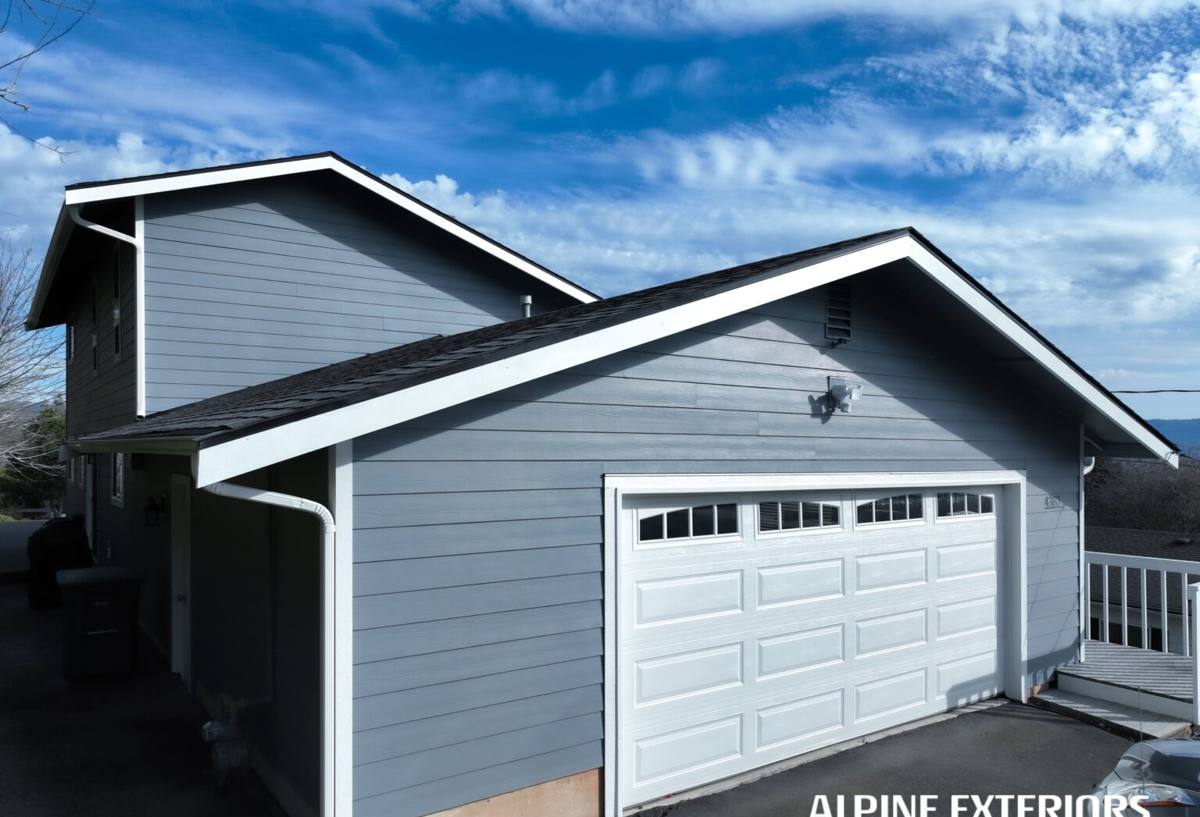
Why Metal Roofing Fits This Exclave
Metal roofing has a few properties that line up well with Whatcom County's coastal conditions when it's done right:
- Moss resistance: smooth metal panels give moss spores far less to grip onto than the rough surface of asphalt shingles, which matters a lot given how long this area stays shaded and damp.
- Wind and rain shedding: a properly lapped and sealed metal roof handles driving rain and gusty coastal wind better than most other roofing materials, as long as the panel seams and flashing are detailed for the direction weather actually comes from here.
- Longevity, if the metal is right: a quality steel or aluminum roof with the correct coating can outlast several cycles of asphalt shingle replacement, which matters when your home is on a peninsula that isn't always the easiest place to schedule contractor visits.
- Lower ongoing maintenance: less debris and moss buildup means fewer trips up on the roof to clear valleys and gutters, which is worth something when driving to Point Roberts involves crossing an international border either way.
None of that is automatic, though. It comes from choosing the right panel and coating for salt exposure, using the right fasteners, and installing the flashing and underlayment the way a marine climate actually demands.
What a Correct Metal Roof Installation Involves Here
Panel and Coating Choice
Not every metal roofing product is built for salt air. Bare or lightly coated steel can start showing surface corrosion within a few years this close to saltwater, especially on roof faces that catch onshore wind directly. We look at aluminum or properly coated steel with a coating system rated for marine or coastal exposure, and we're honest with homeowners about the trade-off: a cheaper coating saves money up front and costs you in touch-up work and shortened lifespan later. This isn't a knock on any particular manufacturer — it's a matter of matching the product to the exposure, and Point Roberts exposure is on the higher end of what coastal Washington sees.
Fasteners and Flashing
A metal roof is only as good as its weakest fastener. Mixing incompatible metals — say, a steel fastener against an aluminum panel — sets up galvanic corrosion that can loosen or fail well before the panel itself would ever wear out. We match fastener material to panel material and use gasketed, corrosion-rated fasteners throughout. Flashing at valleys, penetrations, and roof-to-wall transitions gets extra attention, since wind-driven rain off the water tends to find the one detail that was rushed.
Ventilation and Moisture Control
Because this area stays damp for long stretches, trapped moisture under the roof deck is a real risk if ventilation isn't handled correctly. Metal roofs need a clear path for air to move beneath them so condensation doesn't build up on the underside of the panels or in the attic space. We check existing ventilation before we ever talk panel color or style, because a beautiful metal roof over a poorly vented attic just moves the moisture problem instead of solving it.
Metal Panel Options for This Climate
There's more than one way to do a metal roof, and the right choice depends on your roof's slope, your budget, and how much you want to spend maintaining it over the years.
| Panel Type | Salt Air Performance | Moss/Debris Behavior | Best Fit |
|---|---|---|---|
| Standing seam (concealed fastener) | Strong — fewer exposed penetration points for corrosion to start | Excellent shedding, minimal moss grip | Homes wanting the longest low-maintenance lifespan |
| Exposed-fastener metal panels | Good, but fastener gaskets need periodic checking over time | Good shedding, occasional debris catch at fastener rows | Budget-conscious projects, outbuildings, simpler rooflines |
| Metal shingles/shakes | Good with proper coating, more seams than standing seam | Better than asphalt, more surface texture than standing seam | Homes wanting a traditional look with metal's durability |
For most Point Roberts homes we talk to, standing seam earns its higher upfront cost back in reduced maintenance and fewer service calls over a roof's life — but it's not the only reasonable choice, and we'll walk through the honest trade-offs for your specific roof rather than push one system by default.
Moss, Salt, and Drainage: The Three Things We Design Around
Every metal roofing job we do here gets evaluated against the same three stressors. Moss pressure depends on how shaded your roofline is and which slopes stay damp longest — we look at valleys and north-facing sections specifically, since that's where moss gets a foothold first even on metal. Salt exposure depends on how directly your roof faces open water and prevailing wind, which affects coating choice and how often exposed fasteners should be inspected. Drainage depends on your roof's actual slope and how well valleys and eave details are cut and sealed, since a metal roof that sheds water beautifully on paper can still pond or back up if a valley wasn't detailed for this much rainfall.
Getting all three right at once is the difference between a metal roof that needs almost nothing from you for decades and one that develops slow, hidden problems under panels that look fine from the ground.
Our Process, From Estimate to Finished Roof
We start with an on-site look at your existing roof, deck condition, and ventilation — not just a measurement for panels. From there:
- We assess deck condition and existing moisture or moss damage before quoting anything, since a metal roof over a compromised deck is a problem waiting to resurface.
- We walk you through panel, coating, and fastener options suited to your roof's specific sun, wind, and water exposure, with honest pricing for each.
- We handle tear-off (if replacing an existing roof), deck repair as needed, underlayment suited to the moisture load here, and correct flashing at every transition.
- We install panels and fasteners to spec, check ventilation is functioning, and do a final walk-through with you before we consider the job done.
We don't skip the underlayment and flashing steps to save time, even though those are the parts of the job you won't see once the panels are on — they're also the parts most likely to determine whether the roof performs the way it's supposed to for the next 30-plus years.
Why Hiring a Crew That Already Works Point Roberts Matters
Point Roberts is a genuine exclave — reaching it by land means crossing into Canada and back, which affects everything from material delivery timing to how quickly a crew can respond if something needs attention after installation. A contractor who doesn't regularly work this peninsula has to build that friction into every visit, which shows up as scheduling delays, rushed follow-up trips, or a reluctance to come back for a small warranty item because the trip isn't worth it to them.
A crew that already works in Point Roberts has that logistics figured out, understands how this specific stretch of coastline behaves compared to the mainland, and isn't discovering the border-crossing realities for the first time on your job. That matters just as much for a five-year warranty check as it does for the original install.
Maintenance Checklist for Point Roberts Metal Roofs
A correctly installed metal roof needs far less upkeep than asphalt, but "far less" isn't "none." A short annual routine keeps small issues from becoming roof issues:
- Clear needles, leaves, and debris from valleys and gutters, especially after fall storms.
- Do a visual check of exposed fasteners for loosening or surface rust, particularly on wind-facing slopes.
- Look for early moss growth in shaded valleys and north-facing sections, and remove it before it mats.
- Check flashing at chimneys, vents, and wall transitions for any gaps opened up by seasonal movement.
- Confirm attic or roof ventilation isn't blocked by insulation, debris, or nesting material.
Getting Started
If your roof is showing moss buildup, rust streaking, or you're just planning ahead before the next storm season, we're happy to take a look and give you a straightforward, no-pressure estimate for metal roofing built for Point Roberts conditions specifically. Use the form below and we'll get in touch to schedule a time.