 Semiahmoo Exterior
 Living With Board & Batten on Drayton Harbor
Board & batten is one of the most requested siding profiles on the homes closest to the water in Drayton Harbor. The vertical lines read as clean and modern on newer builds, and they echo the boathouse and cottage look that a lot of long-time Semiahmoo homeowners want when they re-side. It is also, in our experience, one of the profiles most likely to be installed wrong — not because the look is complicated, but because the profile hides drainage and fastening mistakes better than horizontal lap siding does, right up until moisture finds its way in.
This page is specifically about board & batten siding on homes in and around Drayton Harbor, not board & batten in general. The wind exposure off the harbor, the salt content in the air, and the long stretch of wet, low-sun months here all change what "correct installation" actually means for this profile, and they change what we recommend homeowners do and don't put on their walls.
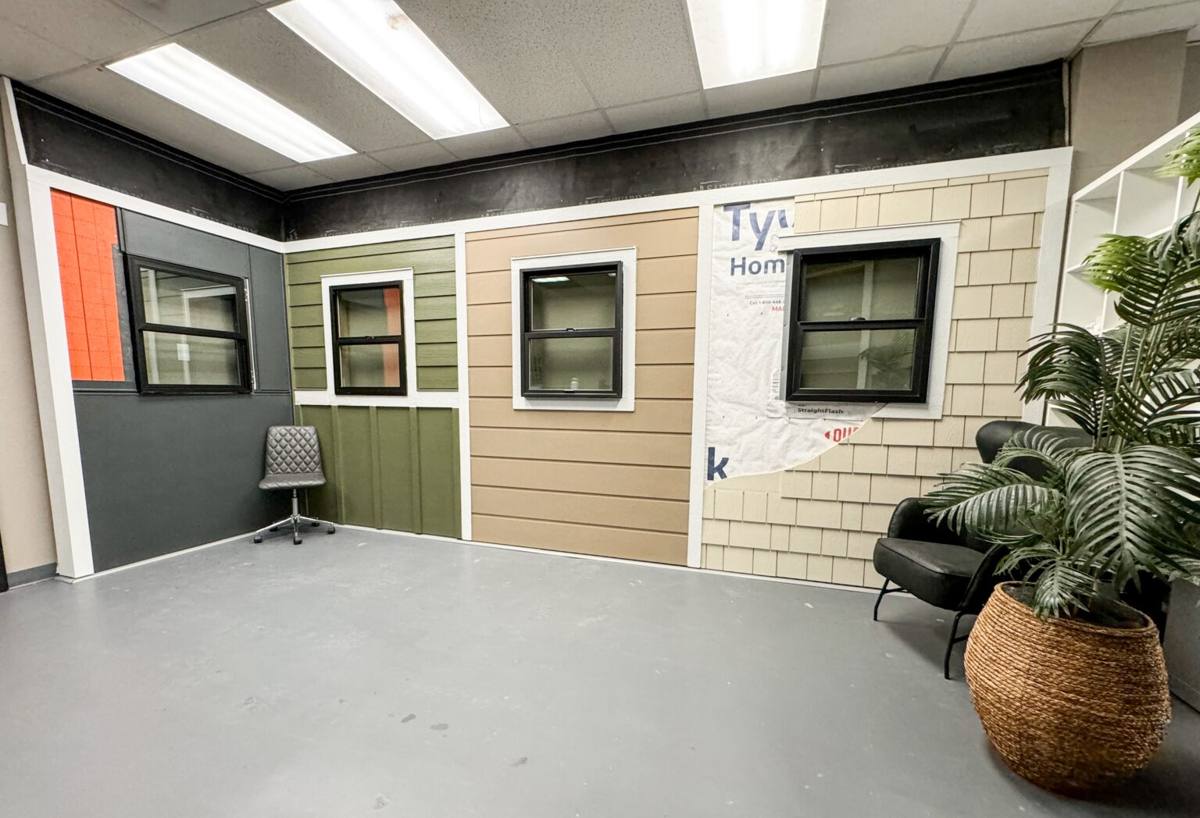
What This Climate Does to Board & Batten Siding
Whatcom County's marine climate is milder than a lot of the country, but mild does not mean easy on a house. Homes near Drayton Harbor deal with a specific combination of stresses that inland Whatcom County homes see less of.
Salt Air and Corrosion
Proximity to saltwater accelerates corrosion of exposed metal — fasteners, flashing, trim screws, even hinges and light fixtures. On board & batten siding, the battens themselves are fastened either through the underlying panel or independently into the studs, which means there are more exposed fastener heads per square foot than on most lap profiles. If those fasteners aren't rated for a coastal environment, or aren't set and sealed correctly, you get rust streaking down the battens years before the siding itself would otherwise need attention.
Driving Rain and Seam Exposure
Wind off the water pushes rain sideways, not straight down. Vertical siding profiles like board & batten have vertical seams between boards running the full height of the wall, and those seams are exactly where driving rain gets forced into contact with the wall assembly. A lap siding profile sheds water down and out with every course; board & batten depends much more heavily on what's happening behind the batten — the drainage plane, the gap, the flashing — to keep that water from finding a way in.
Moss Season and Shaded Elevations
Whatcom County's wet season runs long, and north- and east-facing walls that stay shaded for months at a time grow moss and algae readily, especially where a roofline, fence, or mature tree keeps a section of wall from ever fully drying. On board & batten, moss tends to establish first in the batten shadow lines and around fastener heads, where a thin film of moisture sits longest. Left alone, sustained moss growth holds water against the surface far longer than open air ever would, which is a slow but real problem for any siding material, but especially for anything with a wood component.
Material Comparison for Board & Batten in a Coastal Climate
Board & batten can be built from several materials, and the material matters more here than the profile does. This is why we only install James Hardie fiber cement for this style — not because other materials can't be cut into a board & batten pattern, but because of how each one performs under salt air, driving rain, and a long moss season.
| Material | Salt Air / Corrosion Behavior | Moisture Behavior | Typical Maintenance |
|---|---|---|---|
| James Hardie fiber cement | Non-combustible, dimensionally stable; performance depends on proper stainless or coated fastener selection | Engineered HZ formulations for Pacific Northwest moisture exposure; factory ColorPlus finish resists moss adhesion better than raw wood | Periodic rinse and repaint of caulked joints per warranty schedule; no refinishing of the board itself |
| Cedar or primed spruce | Fasteners corrode at the same rate; wood itself has no inherent salt resistance | Absorbs and releases moisture with the seasons; prone to cupping, checking, and rot at the vertical seams if drainage details fail | Regular refinishing, caulk maintenance, and moss treatment; shortest realistic service life of the group in this climate |
| Vinyl vertical panel | Fasteners hidden, but panel itself becomes brittle in cold snaps and can distort in direct salt spray zones | Doesn't rot, but panel seams and J-channels trap moisture and organic debris that feed moss growth | Low, but limited repair options — damaged sections are hard to color-match after fading |
| LP SmartSide | Engineered wood strand product; fastener corrosion risk similar to cedar | Wood-based core is more moisture-resistant than raw lumber but still vulnerable at cut edges and seams if flashing details aren't followed exactly | Edge sealing and caulk inspection is more critical than with fiber cement; installer error has larger consequences |
James Hardie's fiber cement doesn't swell, rot, or feed insects, and its factory-applied ColorPlus finish is baked on rather than field-applied, which matters in a climate where field-applied paint has fewer good drying days per year. That's the core of why we standardized on it rather than offering all four options and letting the elements sort out which one holds up.
What a Correct Board & Batten Job Requires
Board & batten hides mistakes visually better than lap siding does, which is exactly why it needs to be installed with more discipline behind the wall, not less.
Rainscreen and Drainage
The single biggest factor in how a board & batten wall performs is whether there's a drainage gap and weather-resistive barrier behind the panel, allowing any water that does get past the batten seams to drain and the wall cavity to dry. Skipping this gap to save labor is the most common corner cut we see on board & batten re-siding jobs, and it's invisible from the curb until moisture damage shows up years later.
Fastening and Batten Spacing
Battens need to land over studs or blocking, be fastened per the manufacturer's engineering specs, and use fasteners rated for coastal exposure. Batten spacing also has to account for the panel's expansion and contraction — too tight, and you get buckling; too loose, and water intrusion at the seam becomes more likely.
Flashing and Transitions
Every window, door, corner, and roof-to-wall transition on a board & batten wall is a place where the vertical run has to be interrupted and re-sealed correctly. Kick-out flashing where a roofline meets a wall, head flashing over openings, and proper sealant at penetrations all matter more here than on horizontal siding because there's no overlapping course below to catch a mistake.
Our Process, Start to Finish
- On-site assessment of the existing wall assembly, moisture readings where relevant, and identification of any rot, prior water damage, or drainage issues before we quote anything
- Removal of old siding and inspection of sheathing, with repairs addressed before anything new goes up — not covered over
- Installation of a weather-resistive barrier and rainscreen gap sized for the wall
- James Hardie board & batten panel installation to manufacturer fastening specs, with corrosion-resistant fasteners appropriate for a coastal setting
- Flashing and sealant work at every window, door, corner, and transition
- Final walkthrough so you know what was done and what to watch for going forward
Why a Crew That Already Works Drayton Harbor Matters
A crew that's put siding on other homes in this area already knows which elevations take the worst of the wind off the harbor, which fastener grades hold up under this level of salt exposure, and how long a wall stays shaded through the wet months on a typical Drayton Harbor lot. That's not something you can fully substitute with a generic installation manual. It shows up in small decisions — where to add extra flashing, which corners get extra sealant attention, how tight to run the batten spacing — that don't show up on a quote but do show up in how the siding looks in ten years.
Cost Factors to Expect
Board & batten costs vary based on a handful of real factors, not a flat per-square-foot number. The main ones we walk through with Drayton Harbor homeowners:
| Factor | Why It Moves the Price |
|---|---|
| Wall condition underneath | Rotten sheathing or missing drainage plane found during tear-off adds repair scope before new siding goes up |
| Wall height and access | Multi-story or hard-to-access walls near steep harbor-side lots take more time and equipment |
| Amount of trim and transitions | Windows, corners, and roofline intersections each need individual flashing and finishing work |
| Batten spacing and panel width chosen | Narrower spacing uses more material and more fastening labor per wall |
| Color selection | Factory ColorPlus finishes vs. field-applied paint carry different material costs and warranty terms |
We give a firm number after the on-site assessment, not before — a phone estimate on siding is a guess, and guesses are how homeowners end up with change orders mid-project.
Keeping Board & Batten Looking Right
Fiber cement board & batten is low-maintenance compared to wood, but low-maintenance isn't the same as no-maintenance, especially this close to the water. A short seasonal check goes a long way:
- Rinse off salt residue and moss buildup on shaded elevations once or twice a year
- Check caulked joints around windows, doors, and battens for cracking or separation
- Look for rust streaking at fastener heads, which usually signals a fastener that should have been coated or stainless
- Trim back vegetation or landscaping that keeps any wall section from drying out between rains
- Address any impact damage promptly — a small chip in the ColorPlus finish is a quick fix; a chip left open to moisture for a season is not
If you're weighing board & batten for a home in Drayton Harbor or elsewhere around Semiahmoo, we're glad to walk your property, look at your specific exposure, and give you a straight, no-pressure estimate using the form below.