 Semiahmoo Exterior
 Why Cherry Point Windows Take More Than a Standard Install
Cherry Point sits right up against the water in Whatcom County, and that location shapes everything about how windows perform here. Homes get a steady dose of salt-laden air off the Strait, wind-driven rain that hits siding and window walls at an angle rather than straight down, and a long stretch of the year where moss, algae, and general dampness sit on every north-facing and shaded surface. A window that was installed correctly for a drier inland climate can still fail here within a few years if it wasn't detailed for this specific exposure. That's the gap we focus on closing: not just selling a window, but installing it in a way that accounts for what this stretch of coastline actually does to a house.
This page is specifically about window installation for Cherry Point properties — what the climate demands, what a correct install looks like step by step, and why hiring a crew that already works this area regularly matters more here than it does in a lot of other places.
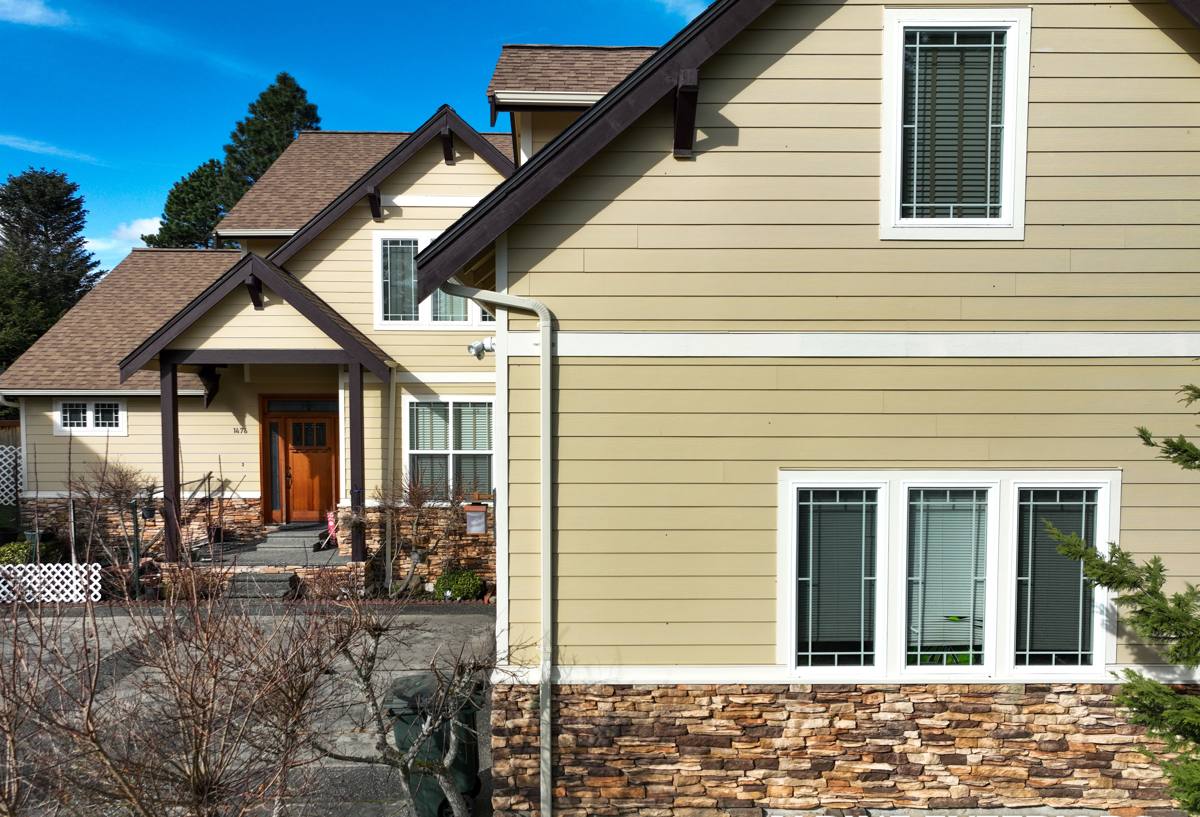
What Salt Air, Driving Rain, and Moss Season Actually Do to Windows
Salt Air and Metal Components
Salt in the air accelerates corrosion on anything metal — hinges, cranks, screws, and especially lower-cost aluminum or steel hardware inside a window frame. Over time this shows up as stiff or failing operation, staining around fasteners, and hardware that seizes up well before the glass or frame itself is worn out. Windows with corrosion-resistant hardware and stainless or coated fasteners hold up noticeably longer this close to the water.
Wind-Driven Rain
Rain that comes in at an angle, pushed by wind off open water, tests a window's flashing and sealant details far harder than rain falling straight down. A window can be plumb, level, and square and still leak if the flashing sequence around it wasn't built to shed water that's being driven sideways and even slightly upward under wind pressure. This is one of the most common reasons we get called to a home that had windows replaced by an out-of-area crew: the window itself is fine, but the installation detailing wasn't built for this kind of weather.
Moss and Sustained Moisture
Whatcom County's long damp season keeps shaded window sills, lower sashes, and surrounding trim wet for extended stretches, especially on north- and west-facing walls near tree cover. That sustained moisture is what lets moss and mildew take hold on sills and frames, and it's what slowly breaks down wood components, caulk lines, and any gaps in the weather barrier behind the window. Materials and details that shrug off an occasional soaking can still degrade under Cherry Point's version of "damp most of the year."
What a Correct Window Installation Actually Involves
A window installation is really two jobs layered together: setting the window itself, and rebuilding the water-management system around the opening so it ties correctly into the wall. Skipping or rushing the second part is the single biggest cause of window-related leaks and rot we see in this region, regardless of how good the window brand is.
- Removing the old window and inspecting the rough opening for hidden rot, soft framing, or prior water intrusion before anything new goes in
- Repairing or replacing any damaged framing members — never installing a new window into a compromised opening
- Installing a sloped sill pan so any water that gets past the window sheds outward, not into the wall cavity
- Applying flashing tape and house wrap integration in the correct shingle-lap order so water is always directed down and out
- Setting the window plumb, level, and square, then securing it per the manufacturer's fastening schedule
- Insulating the gap between the window frame and rough opening without overpacking, which can bow the frame
- Sealing the interior and exterior with the correct sealant types — not every caulk is rated for the same movement and exposure
- Reinstalling or rebuilding exterior trim so it sheds water away from the new window rather than trapping it
Every one of those steps matters more on a Cherry Point home than it would somewhere sheltered and dry, because the flashing and sealant details are what stand between the window and sustained wind-driven rain.
Choosing Materials and Glass for This Climate
Frame material and glass package both affect how a window handles salt air, moisture, and the marine layer common along this part of the Strait. There's no single "best" choice for every home — it depends on exposure, budget, and how the rest of the house is built — but the trade-offs are worth understanding before you decide.
| Frame Material | How It Handles Salt Air & Moisture | Maintenance |
|---|---|---|
| Vinyl | Doesn't corrode; performs well in salt air; can discolor over many years of UV exposure | Low — occasional cleaning |
| Fiberglass | Very stable in moisture and temperature swings; strong resistance to warping | Low |
| Wood (clad exterior) | Good performance if the exterior cladding and seals stay intact; interior wood still needs protection | Moderate — watch seal integrity over time |
| Bare Aluminum | Prone to corrosion and condensation issues in coastal, damp climates without a quality thermal break and coating | Higher — hardware and finish need monitoring |
On glass, we generally recommend dual-pane units with a low-E coating and a quality warm-edge spacer for this area. The spacer is what fails first in a lot of older or budget windows — you'll see it as fogging or a hazy band between the panes, which means the seal has broken and the whole sash usually needs replacing. In a marine climate with constant humidity swings, spacer quality is not a place to cut corners.
Why We're Selective About Certain Products
We don't install every window product on the market, and that's a deliberate call rather than a brand preference. Some economy-tier windows use hardware and spacer systems that aren't built for sustained coastal humidity, and we'd rather steer a homeowner toward a product with a track record in this climate than install something we know will need early service calls. If we recommend against a specific option for your project, we'll explain the maintenance or moisture trade-off in plain terms — not just say no.
Our Installation Process, Start to Finish
- On-site assessment — we look at each window opening, the surrounding siding and trim condition, and any existing signs of water intrusion before quoting anything
- Product selection — we walk through frame material, glass package, and grille or hardware options based on your home's exposure and budget
- Scheduling around weather — coastal jobs get sequenced to avoid leaving openings exposed during a wind-driven rain event
- Removal and opening inspection — old windows come out and we check framing before installing anything new
- Flashing and sill pan installation — built for wind-driven rain, not just gravity drainage
- Window setting and fastening — plumb, level, square, fastened to manufacturer spec
- Insulation, sealant, and trim — interior and exterior finished to shed water and control air leakage
- Final walkthrough — operation, locking, and sealant lines checked with you before we consider the job done
Signs Your Current Windows Are Already Behind
Homeowners near Cherry Point often live with early warning signs longer than they should, because the damage is gradual. Worth checking for:
- Soft, discolored, or spongy trim or sill wood around a window frame
- Fogging or haze between the panes of a dual-pane window (a failed seal)
- Windows that are noticeably harder to open, close, or lock than they used to be
- Visible moss or persistent green staining building up on sills or lower sashes
- Drafts or a cold band of air near the window frame during windy weather
- Peeling paint or bubbling on interior trim near a window, which often points to moisture getting in from outside
- Visible daylight or gaps around the frame when the window is closed
Any one of these on its own isn't necessarily an emergency, but on a home this close to the water, it's worth having it looked at before a small leak turns into framing damage.
Cost Factors to Understand Before You Get a Quote
Window installation pricing varies a lot based on the scope of the job, and it's worth understanding what actually drives the number rather than comparing quotes on price alone.
| Factor | Why It Affects Cost |
|---|---|
| Frame material and glass package | Vinyl, fiberglass, and clad-wood options carry different material costs and long-term performance |
| Number and size of openings | More openings and larger units mean more material, labor, and disposal |
| Condition of the existing opening | Hidden rot or framing repair adds labor that isn't visible until the old window comes out |
| Flashing and trim scope | Full re-flashing and trim rebuild costs more up front but is what prevents leaks in this climate |
| Access and site conditions | Second-story or hard-to-reach openings add time and equipment needs |
We'd rather walk you through these factors during an on-site visit than quote a number sight unseen, because the condition behind the old window is often the biggest variable — and you won't know that until it's off the wall.
Why Local Cherry Point Experience Matters Here
A crew that regularly works this stretch of Whatcom County has already seen how salt exposure, driving rain, and moss buildup behave on homes near this shoreline, year after year. That translates into practical decisions on your job: which flashing sequence actually holds up to wind-driven rain off the Strait, which hardware finishes hold up to salt air, and where moisture tends to collect on homes with this kind of exposure and orientation. It also means being available for a warranty check or a question after the job is done, rather than being a crew that passed through once and moved on.
After Installation: Keeping Windows Performing in This Climate
Correctly installed windows still benefit from a little seasonal attention in a marine climate like this one:
- Rinse salt residue off frames and glass periodically, especially on wind-exposed elevations
- Clear moss and debris from sills and tracks before it holds moisture against the frame
- Check that weep holes on the exterior of the frame stay clear so water can drain out
- Operate locking hardware occasionally through the wet season so it doesn't seize from disuse
- Have caulk lines and exterior trim visually checked every year or two, since sealant is the first thing to wear in this climate
None of this is intensive, but skipping it is how a well-installed window ends up looking and performing like a poorly-installed one after a few damp winters.
If you're dealing with drafty, fogged, or hard-to-operate windows on a Cherry Point property — or planning ahead before the next wet season sets in — we're happy to take a look and put together a straightforward, no-pressure estimate. There's a form below to get that started.