 Semiahmoo Exterior
 Building in California Creek Means Building for Marine Weather
If you're framing a new home in the California Creek area near Semiahmoo, the windows you choose and how they're installed will do more work than almost any other exterior component. This stretch of Whatcom County sits close enough to the water that salt-laden air, wind-driven rain, and a long stretch of damp, low-light months are simply part of the deal. New construction is the one point in a home's life where you get to build the window envelope correctly from the start, instead of fighting an existing opening later. Get it right here and you avoid years of callbacks for fogged glass, soft trim, and stains that won't scrub off.
We treat new-construction window work differently from a retrofit or replacement job. There's no old frame to work around and no existing flashing to patch into — which means there's also no excuse for shortcuts. Every layer, from the rough opening to the final bead of sealant, gets built with this specific climate in mind.
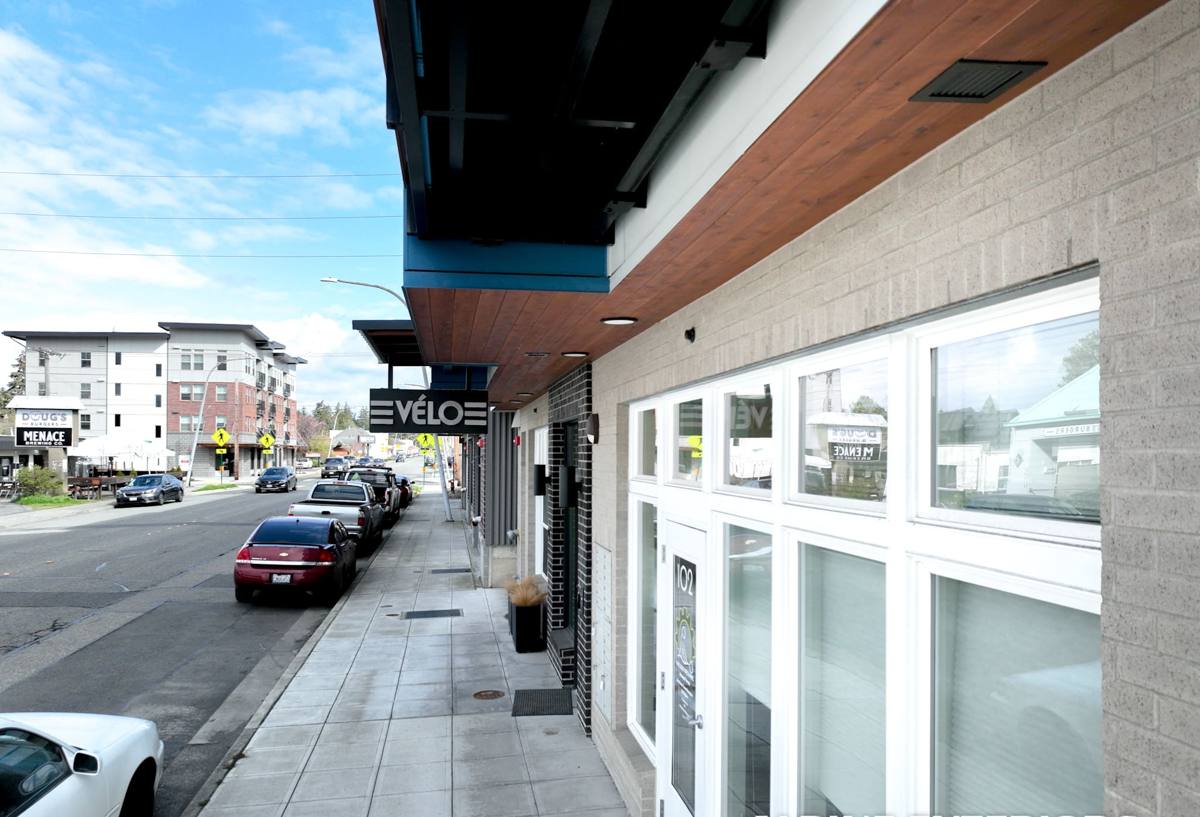
What This Climate Actually Does to a Window Over Time
Salt Air
Proximity to Semiahmoo Bay and the Strait of Georgia means airborne salt settles on exterior surfaces year-round. On lower-grade hardware — hinges, locks, cranks, and especially uncoated or thin-gauge fasteners — that salt exposure speeds up corrosion noticeably faster than it would twenty or thirty miles inland. Frame finishes and cladding also take more abuse from salt than most manufacturers' standard warranty testing accounts for.
Driving Rain and Wind
Storms coming off the water don't just drop rain straight down; they push it sideways into wall assemblies. A window that performs fine in a sheltered inland lot can leak here if the flashing details, sill pans, and sealant joints aren't built for wind-driven water. This is where most new-construction window failures actually originate — not in the window unit itself, but in how it was integrated into the wall.
The Moss Season
Whatcom County's wet, mild fall-through-spring stretch is long enough that moss and algae get a real foothold on anything that stays damp — sills, exterior trim, and the tops of window heads especially. Left unaddressed, that growth holds moisture against wood trim and finishes, which shortens their life considerably.
Choosing the Right Window Material for a California Creek New Build
Material choice matters more here than in drier parts of the state. We generally steer new-construction clients in this area toward vinyl or fiberglass frames, or wood units with a fully-clad exterior face, because bare or lightly finished wood exteriors take on more maintenance burden than most homeowners want to sign up for near saltwater.
| Frame Material | How It Handles This Climate | Maintenance Load | General Cost Position |
|---|---|---|---|
| Vinyl | Won't corrode or rot; performs well against salt air and moisture | Low — occasional wash-down | Most economical |
| Fiberglass | Very stable dimensionally, strong resistance to moisture and UV, holds paint well if a custom color is wanted | Low | Mid-to-upper |
| Wood, exterior-clad | Warm interior look with a protected exterior face; clad finish shields the wood from rain and salt exposure | Moderate — clad exterior is low-care, interior wood needs normal upkeep | Upper |
| Bare/painted wood exterior | Requires diligent, frequent maintenance to hold up against driving rain and moss growth | High | Varies |
There's no single "correct" material for every home — architectural style and budget matter too — but we'll tell you honestly where a bare wood exterior is going to create ongoing work in this environment, rather than let a homeowner find that out three winters in.
Glass and Hardware
For a home this close to the water, we recommend corrosion-resistant hardware (stainless or coated components rather than bare mild steel) and glass packages suited to a marine, low-sun climate — typically a dual-pane, low-E unit with a coating and gas fill chosen for balancing heat retention against the Pacific Northwest's overcast stretches, rather than a coating optimized for a hot, sunny climate.
What a Correct New-Construction Window Installation Involves
"New construction" windows get installed with a nailing fin directly into the rough opening before siding goes on, which gives us access to build proper flashing layers — something you don't get on a retrofit into an existing wall. Doing this correctly, in order, is what actually keeps water out for the life of the house:
- Rough opening checked for square, level, and correct dimension before the window ever arrives on site
- Sill pan flashing installed to shed any water that gets past the window back out and away from the wall assembly
- Weather-resistive barrier integrated with the window's flashing flanges in the correct shingle-lap order — head, jambs, sill — so water is always directed outward and down
- Window set, shimmed level and plumb, and fastened per the manufacturer's structural requirements
- Exterior sealant applied at the correct joints only — sealing every seam solid can actually trap water rather than let it drain
- Interior air-sealing at the rough opening perimeter, separate from the exterior weatherproofing
Skipping or rushing any one of these steps is how a brand-new house ends up with a hidden leak behind the siding within a few years — invisible until there's rot, stains, or a musty smell to point to it.
Mistakes We See on New Builds in This Area
- Flashing installed out of order, so water gets directed behind the barrier instead of over it
- Window openings framed slightly out of square, forcing the unit to be racked into place, which stresses seals and hardware over time
- Sealant used as the primary water barrier instead of proper flashing — sealant is a backup, not a substitute
- Standard hardware specified without accounting for salt air exposure, leading to early corrosion on hinges and locks
- No sill pan flashing, leaving the sill framing directly exposed to any water that does get past the window
- Trim and cladding details that trap moisture against wood, accelerating moss and rot in our wetter months
Our Process, From Plans to Final Walkthrough
We work with California Creek builders and homeowners at whatever stage they bring us in — ideally during the framing and window-scheduling phase, so window sizes and rough openings are confirmed before framing lumber is cut.
- Review plans and window schedule; confirm sizes, egress requirements, and energy code compliance
- Site visit to check rough openings against the approved schedule before windows are ordered
- Coordinate delivery timing with your builder's framing and siding schedule to avoid job-site delays
- Install using flashing and sealing methods matched to this site's wind and rain exposure
- Document installation with photos at key flashing stages for your records and warranty file
- Final walkthrough to test operation, check seals, and answer questions on maintenance and warranty coverage
Energy Code and Performance in Whatcom County
Washington's energy code sets minimum performance requirements for new-construction windows, and those minimums are stricter than what many older homes in the area were built to. We spec glass packages and frame types that clear code comfortably rather than skate the minimum, since a marine climate with long overcast stretches punishes an undersized glass package with higher heating bills and more condensation risk on cold, wet days. We can walk through the U-factor and solar heat gain numbers for your specific plan set and help your builder document compliance for inspection.
Why Hiring a Crew That Already Works California Creek Matters
Window installation looks similar on paper everywhere in the Pacific Northwest, but the details that actually keep water out shift with exposure — a lot in a location this close to the water and this far into the marine weather pattern. A crew that installs windows regularly in and around Semiahmoo already knows which wall orientations on a given lot take the worst of the wind-driven rain, which hardware finishes actually hold up against salt air over years rather than months, and how aggressively moss establishes itself on north-facing trim in this specific part of Whatcom County. That's not something you can fully substitute with a spec sheet — it comes from doing the work here, repeatedly, and seeing what holds up and what doesn't.
It also means fewer surprises for your builder. We know how to sequence around framing crews, siding crews, and inspection timing on local jobs, so window installation doesn't become the bottleneck holding up your project.
Get a Straightforward Estimate
If you're planning a new build in California Creek and want windows specified and installed correctly for this climate from day one, we're happy to take a look at your plans and walk the site. The estimate is free, there's no pressure, and you'll get a straight answer on materials, timeline, and cost — just fill out the form below to get started.