 Semiahmoo Exterior
 Building a Deck That Actually Holds Up Near Wiser Lake
Wiser Lake sits inland from the Semiahmoo shoreline, but it doesn't escape the weather that defines this stretch of Whatcom County. Homes and cabins in this area still deal with salt-laden air pushing in off the water, long stretches of driving rain through the fall and winter, and a moss season that can run eight months or longer depending on how much direct sun a lot actually gets. A deck built to a generic national spec sheet will show its age here faster than it should. A deck built for this specific climate, on this specific kind of lot, holds up the way it's supposed to for decades, not just a few seasons.
We work custom deck projects around Wiser Lake and the broader Semiahmoo area on a regular basis, which means we already know what fails first here and what doesn't. That's the difference between a deck that needs real repair work in year six and one that's still tight, dry, and level in year twenty.
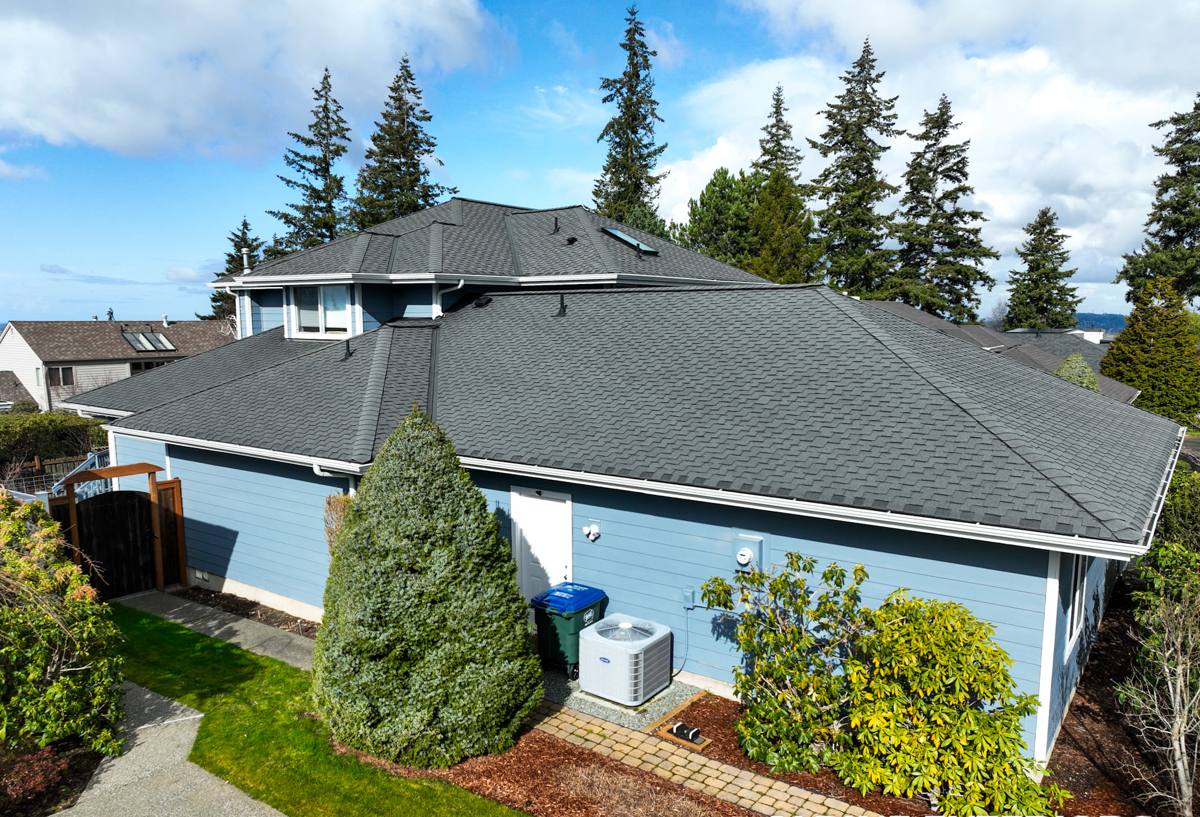
What Whatcom County Weather Does to a Deck
Salt Air and Fasteners
Even set back from open water, salt carried on coastal wind settles on exposed metal and accelerates corrosion on anything less than fully rated hardware. Mismatched or bargain fasteners are one of the most common failure points we find on older decks in this area — not because the wood or composite gave out, but because the screws, joist hangers, or post brackets corroded and let structural connections work loose underneath a surface that still looked fine.
Standing Water and a Long Moss Season
Rain here doesn't fall hard and stop — it sits in the air for days at a time. Combined with shade from mature trees around many Wiser Lake lots, that moisture keeps deck surfaces damp far longer than in drier, more open parts of the county. Damp wood and damp composite both grow moss and algae once they can't shed water and dry out between storms. Moss isn't just cosmetic — it holds moisture directly against the decking material and makes the surface genuinely slick underfoot, which is a real safety issue on stairs and landings.
Freeze-Thaw and Wood Movement
Whatcom County doesn't see deep hard freezes every winter, but it gets enough freeze-thaw cycling most years to matter over time. Wood expands and contracts with moisture and temperature swings, and composite boards shift slightly with heat and cold as well. Joints, ledger connections, and fasteners that aren't installed with room for that movement eventually crack, split, or back out well before the material itself is worn out.
Decking Material Options for Wiser Lake Properties
There's no single right material for every home out here — it depends on budget, how much shade the lot gets, and how much upkeep the owner actually wants to commit to. Here's how the common options compare for this specific climate and moss pressure.
| Material | Moisture & Moss Resistance | Maintenance Needed | Typical Lifespan Here |
|---|---|---|---|
| Pressure-treated wood | Fair — needs regular sealing to perform well | Annual cleaning and re-sealing | 10-15 years with upkeep |
| Cedar | Good natural resistance, but the surface still needs care | Periodic cleaning, occasional oil or stain | 15-20 years with upkeep |
| Capped composite | Very good — the cap layer sheds moisture and resists moss staining | Occasional washing, no sealing required | 25+ years |
| Uncapped or older-style composite | Weaker — the core can absorb moisture over time | Regular cleaning to keep moss and mold from taking hold | 15-20 years |
We'll walk through these trade-offs honestly during an estimate rather than pushing whichever product has the best margin for us. A shaded, damp lot near Wiser Lake is a genuinely different conversation than a full-sun lot elsewhere in Semiahmoo, and the right material can change based on that alone.
What a Correctly Built Deck Involves
Footings and Framing
Everything starts below the surface. Footings need to be sized and set to local frost depth and the actual soil conditions on site, not just poured to a bare minimum. Framing lumber should be rated for ground contact anywhere it sits near grade, and joist spacing needs to account for the decking material chosen, since composite and wood boards often carry different span requirements from the manufacturer.
Ledger Attachment and Flashing
Where a deck attaches to the house is the single most common source of water intrusion and structural failure we see on repair calls. Proper flashing at the ledger board — installed so water is directed away from the house framing rather than trapped against it — is not optional, even though it's completely invisible once the deck is finished. Skipping or shortcutting this step is how a house ends up with rot behind the siding years later.
Fasteners and Hardware
Given the salt air issue described above, we treat corrosion-resistant, coastal-rated fasteners and structural connectors as standard on Wiser Lake area jobs, not as an optional upgrade. Using mismatched or under-rated hardware here is a false economy — it's the part of the deck you can't see and can't easily inspect once the boards are down.
Design Considerations for a Lake-Adjacent Lot
Lots near Wiser Lake often come with a handful of specific conditions that are worth planning around before the first post ever goes in the ground:
- Grading and slope toward or away from the house, which affects how water moves under and around the finished deck
- Tree cover and shade patterns, which largely drive how much moss and algae pressure the deck will face year over year
- Wind exposure and sightlines, which affect railing style, height, and how open or sheltered the layout should feel
- Existing drainage paths or low spots that the deck's footings and skirting need to work around instead of trapping water against
A deck designed without accounting for these ends up needing drainage fixes, moss treatment, or premature board replacement far sooner than one that was planned around them from the start. This is where a short conversation up front saves real money later.
Our Process for a Wiser Lake Deck Project
- On-site walkthrough to assess grading, shade, existing structure if we're replacing an old deck, and how the family actually plans to use the space
- A straightforward written estimate covering material options and what each one genuinely involves in upkeep, with no vague allowances
- Permitting and any required engineering, so footing sizes and ledger details are handled correctly the first time rather than flagged at inspection
- Construction, with checks at framing and again before decking goes down, so problems get caught while they're still easy to fix
- A final walkthrough covering care and what to watch for going into the first moss season
Maintenance Checklist for Salt Air and Moss Season
Whatever material you choose, a little seasonal attention keeps a deck performing the way it was built to perform:
- Sweep debris off the surface regularly — trapped leaves and needles hold moisture directly against the decking
- Rinse salt residue and general grime off surfaces and railings a few times a year, especially after storm systems roll through
- Check shaded corners and stair treads for early moss or algae growth and treat it before it spreads across the deck
- Inspect fasteners, hardware, and railing connections annually for corrosion, rust staining, or looseness
- Re-seal or re-stain wood decking on the schedule the specific product actually needs — stretching it out costs more in the long run
- Keep gutters and downspouts near the deck clear so roof runoff isn't dumping extra water onto or underneath it
Why a Crew That Already Works Wiser Lake Matters
A contractor who mostly builds decks somewhere dry and sunny is going to spec a deck for that climate, because that's the climate they know. A crew that regularly works Semiahmoo and the surrounding Whatcom County area already knows which fasteners actually hold up out here, which materials fight moss without constant babying, and which framing and flashing details keep water out of a ledger board through a genuinely wet winter. That's not a sales pitch — it's just what repeat exposure to these exact conditions teaches a crew over time, project after project.
We're not guessing at how this climate treats a deck, and we're not applying lessons learned somewhere drier. We're building around Whatcom County weather from the first footing to the last board.
Cost Factors to Expect
Every deck project is different, but a handful of factors consistently move the price on jobs around Wiser Lake and Semiahmoo:
| Factor | Why It Matters |
|---|---|
| Decking material | Composite and capped products cost more upfront than wood but need far less long-term upkeep |
| Size and height off grade | Taller decks need more substantial footings and framing, plus stairs and taller railing runs |
| Site access and grading | Sloped, wooded, or hard-to-access lots take more labor to prep and build on safely |
| Ledger and flashing scope | Fixing existing water damage or replacing siding at the attachment point adds real scope |
| Railing and finish details | Cable, glass, and custom railing styles cost noticeably more than standard baluster railing |
We give straightforward, itemized estimates so you know exactly what you're paying for and why, not a vague lump sum that hides the details.
If you're weighing options for a deck near Wiser Lake or anywhere else around Semiahmoo, we're happy to come take a look at your site and put together a free, no-pressure estimate — just fill out the form below.