 Semiahmoo Exterior
 Building New in Sumas? Get the Windows Right the First Time
New construction is the one chance to install windows correctly from the start — before siding closes in the wall assembly and before drywall covers up whatever was or wasn't done right at the rough opening. Once a house is finished, fixing a bad window installation means cutting into finished walls. Getting it right during the build costs the same as getting it wrong, but the payoff lasts the life of the house.
Semiahmoo Exterior Contractor works new builds throughout our corner of Whatcom County, including projects in and around Sumas. We frame, flash, and set windows as part of the building envelope, not as an afterthought bolted in after the fact. This page covers what a new-construction window job actually involves here, and what to look for whether you're a homeowner working with a builder or a builder looking for a window subcontractor who won't cause callbacks.
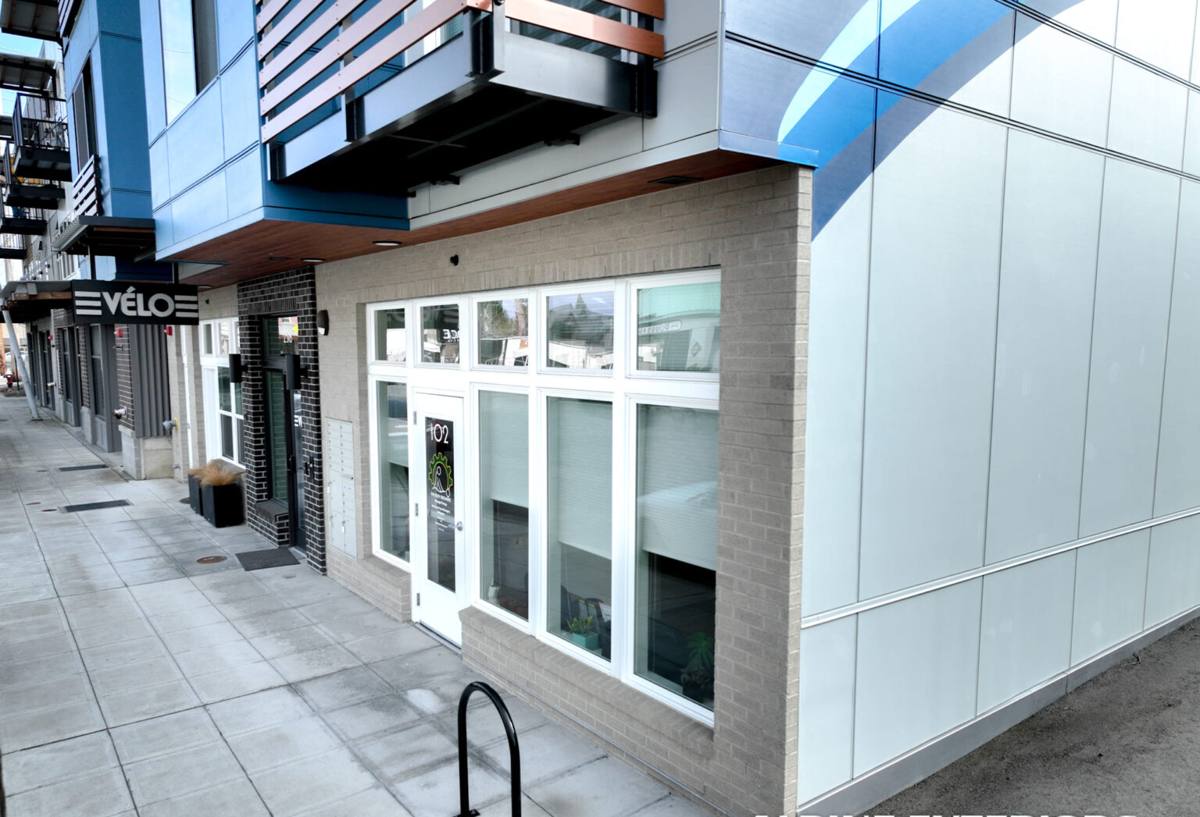
What Whatcom County's Climate Demands From a New Window System
Our stretch of Whatcom County sees the same weather pattern year after year: long stretches of driving, wind-blown rain, damp air that lingers instead of drying out, and a moss and mildew season that can run most of the year on shaded elevations. The marine weather system that pushes salt air across Semiahmoo Bay also drives the same rain and humidity inland through the county, including Sumas. New-construction windows here have to handle three things at once:
- Wind-driven rain intrusion — rain here doesn't just fall, it's pushed sideways into wall assemblies, so the flashing and sealing details matter as much as the window unit itself.
- Sustained moisture exposure — long damp seasons mean any weak point in the weather barrier stays wet for days or weeks, not hours.
- Condensation and interior humidity — well-built new homes are tighter than older ones, which means window glass packages and flashing details need to manage indoor moisture too, not just keep outdoor weather out.
None of this is exotic — it's standard Pacific Northwest building practice. But it only works if it's actually followed at every opening, on every elevation, not just the ones facing the weather.
New-Construction Windows vs. Replacement Windows: Not the Same Job
These two jobs look similar from inside the house but are built completely differently, and mixing up the approach is one of the more common mistakes on a new build.
Replacement windows are installed into an existing, already-sided opening — usually a "pocket" or "insert" unit that fits inside the old frame, or a full-frame replacement that removes trim and siding locally around one opening. New-construction windows are different: they have a nailing flange (a flat flange around the perimeter) that gets fastened directly to the sheathing and integrated into the house wrap and flashing system before siding ever goes on. There's no old frame to work around — the window becomes part of the original weather barrier, which is exactly why doing it right the first time matters so much. There's no siding to patch around a mistake; the mistake just gets covered up.
Choosing Window Materials for a Whatcom County Build
Frame material is a real decision on new construction, not a cosmetic one — it affects how the window performs against sustained damp weather over decades, not just its first few winters.
| Material | How It Handles Our Climate | Trade-Offs |
|---|---|---|
| Vinyl | Won't rot or corrode from moisture; performs well in damp climates | Lower upfront cost; frame expands/contracts with temperature swings; limited color/finish options |
| Fiberglass | Very stable in wet, temperature-swinging conditions; low expansion/contraction | Higher material cost; fewer installers stock it locally |
| Wood-clad | Exterior cladding sheds weather well if flashed correctly; interior wood look | Any breach in the exterior cladding lets moisture reach wood underneath; higher maintenance |
| Aluminum | Strong and slim sightlines | Conducts cold and can condense in our damp winters unless thermally broken |
We don't push one material on every job. What we won't do is install a window whose moisture management depends entirely on the homeowner keeping up with maintenance in a climate that doesn't forgive gaps — that's a standard we hold regardless of brand.
Glass Packages
For new construction here, we generally recommend double-pane low-E glass with argon fill as the baseline, with a warm-edge spacer to reduce condensation at the glass edge — a common trouble spot in cooler, damp climates. Triple-pane is worth discussing on north-facing rooms or homes prioritizing energy performance, but it adds weight and cost that isn't always the best use of a new-construction budget.
The Part That Actually Determines Whether Windows Leak: Flashing
The window unit itself rarely fails. Leaks in new construction almost always trace back to how the opening was flashed and integrated with the house wrap — details that are invisible once siding goes on. Our process on new builds follows this sequence at every rough opening:
- Sill pan flashing installed first, so any water that gets past the window has a sloped path back outside instead of sitting on the sheathing.
- House wrap integrated shingle-style — upper layers overlapping lower layers — so water sheds down and out, never into a seam.
- Window set into the opening, checked for level, plumb, and square before a single fastener goes in.
- Nailing flange fastened per the manufacturer's schedule — skipping fasteners or over-driving them are both common shortcuts that void warranties and cause failures.
- Flashing tape applied over the flange at the sides and top, again shingle-style, tying into the house wrap above.
- Interior and exterior sealed with appropriate sealants and backer rod — not just caulk smeared over a gap.
Every one of these steps takes minutes. Skipping any one of them can cost thousands of dollars in hidden rot years later, discovered only when siding or drywall finally comes off.
Our New-Construction Window Process on Sumas Builds
We coordinate directly with the builder or general contractor's schedule so windows go in at the right point — after sheathing and house wrap are complete, before siding starts. Our process:
- Rough opening check — verify every opening is square, correctly sized, and structurally sound before windows arrive on site.
- Material and spec confirmation — walk the window schedule against the actual units delivered to catch ordering errors before install, not after.
- Flashing and set — sill pan, house wrap integration, and flange fastening per manufacturer specification at every opening.
- Sealing and quality check — interior and exterior seals inspected, hardware operation tested, glass checked for shipping damage.
- Documentation — we note what was installed and how, which matters if a warranty claim ever comes up down the road.
What Affects the Cost of New-Construction Windows Here
Costs vary enough project to project that we won't quote a number without seeing the plans, but these are the factors that actually move the price:
| Factor | Why It Matters |
|---|---|
| Number and size of openings | More and larger openings mean more units and more flashing labor |
| Frame material | Vinyl, fiberglass, wood-clad, and aluminum carry different material costs |
| Glass package | Double vs. triple pane, low-E coatings, and gas fills add cost per unit |
| Window style | Fixed picture windows are simpler than casements, awnings, or large sliders |
| Site access and elevation | Second-story or hard-to-reach openings take more time and equipment |
| Timing with the build schedule | Coordinated scheduling with the builder avoids rush fees and delays |
Checklist: Before Your Windows Go In
Whether you're the homeowner or the builder, these are worth confirming before window day:
- Rough openings match the window schedule exactly — no field adjustments needed on install day.
- House wrap is installed and in good condition before windows arrive.
- Window units on site match the order — brand, size, style, glass package, and grille pattern.
- Sill pan flashing material and flashing tape are on hand and compatible with the house wrap in use.
- Manufacturer's fastening schedule is on hand for the specific window model.
- A plan exists for who inspects flashing before siding covers it — this is the point of no return for catching mistakes.
Why Hire a Crew That Already Works in Sumas
A window installer who only works dry-climate jobs, or who treats every region the same, will often build to a generic code minimum rather than what our weather actually requires. Working new builds throughout Whatcom County, including Sumas, means we're flashing openings for the same rain and moisture patterns on every job — it's not a special adjustment we make, it's simply how every window goes in here. We also know how to coordinate with builders on a construction schedule without becoming the bottleneck that holds up siding crews.
If you're planning a new build in Sumas and want windows installed correctly the first time — no shortcuts on flashing, no guessing on materials — we're glad to walk your plans and give you a straightforward, no-pressure estimate. Use the form below to get started.