 Semiahmoo Exterior
 Why Window Work in Sumas Is Different From a Catalog Install
Sumas sits in a part of Whatcom County where weather doesn't ease up gradually — it swings between long stretches of driving rain, damp gray stillness that feeds moss and mildew, and occasional sharp cold snaps that stress every seal and joint in a window frame. A window that's rated fine for a showroom in a drier climate can still fail here within a few years if it isn't installed with this specific weather pattern in mind. That's the gap we work in: not just selling a window, but fitting one correctly to a house that has to shed water constantly and breathe without trapping moisture inside the wall.
Driving Rain and Wind-Driven Water
Rain in this region rarely falls straight down. Wind pushes it sideways against siding and window units, which means the flashing and sealant details around a window matter as much as the window itself. A unit that's simply set into an opening and caulked around the edges will eventually let water track behind the frame, and that moisture doesn't show up as a visible leak right away — it shows up as rot in the sheathing, staining on interior sills, or a soft spot in the wall a year or two later.
Moss, Humidity, and Slow-Drying Surfaces
Whatcom County's long moss season isn't just a roof problem. Humidity that lingers around window sills, sashes, and exterior trim gives moss and algae a foothold on horizontal surfaces and in corners that don't get direct sun or airflow. Over time that buildup holds moisture against the frame material, which is especially hard on wood and low-grade composite units that weren't finished or sealed for sustained damp exposure.
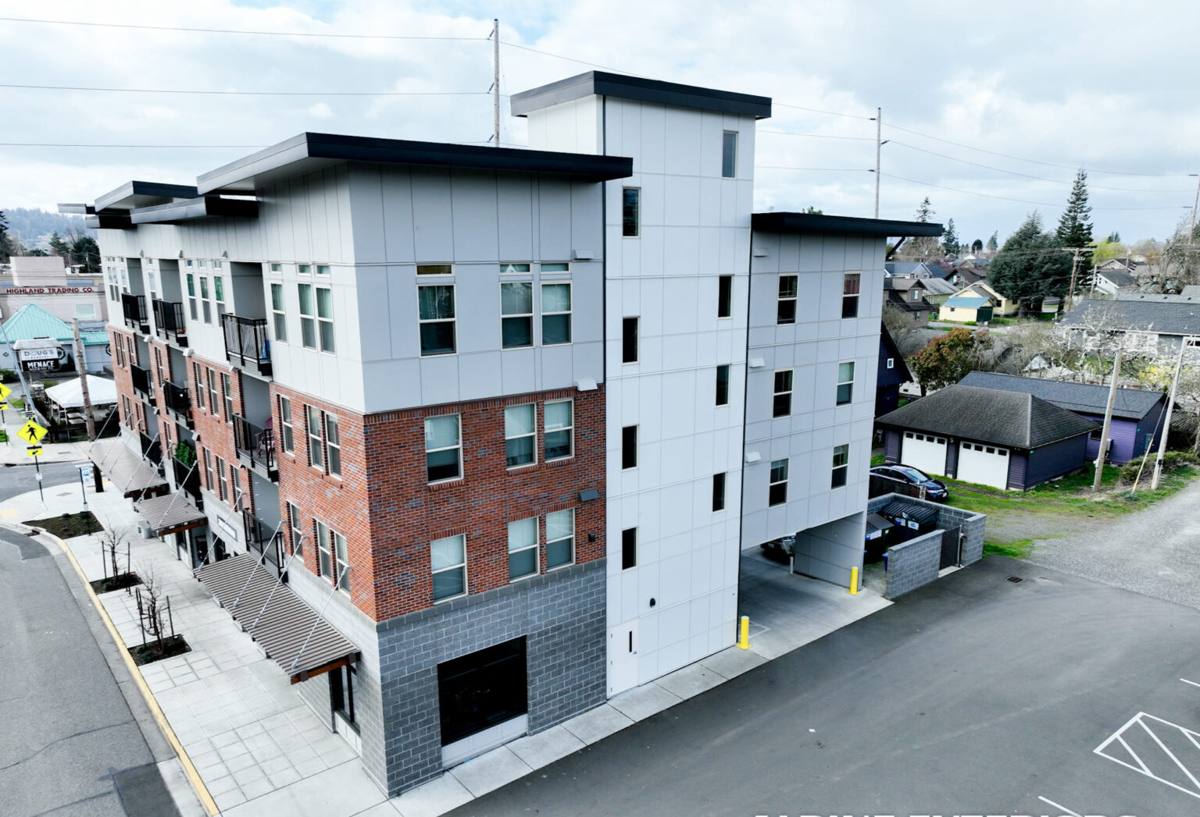
What "Correct" Custom Window Work Actually Involves
Custom windows means the units are built or ordered to the exact rough opening of your home rather than forced to fit a stock size — but the term covers more than measurements. A correct job accounts for the wall assembly behind the window, the water management path around it, and how the finished unit will perform through a full Whatcom County year, not just on a dry install day.
- Accurate field measurement of each opening, since older Sumas homes often have openings that aren't perfectly square or consistent from room to room
- Proper flashing integration with the existing weather-resistive barrier, not just sealant applied over the gap
- Correct shimming and leveling so the sash operates smoothly and the seal compresses evenly on all sides
- Insulation and air-sealing around the frame perimeter, not just at the interior trim
- Sill pan or sloped sill detailing so any water that does get past the exterior seal drains back out instead of pooling
- Interior and exterior finish work that matches the home instead of leaving a visibly "patched" opening
Frame Material Options for This Climate
There's no single "best" window material for every house — it depends on the home's age, exposure, and how much upkeep the owner wants to take on. Here's how the common options actually perform under sustained rain and humidity rather than in ideal conditions:
| Frame Material | How It Handles Sustained Rain/Humidity | Maintenance Load |
|---|---|---|
| Vinyl | Won't rot or corrode; performs consistently in damp conditions with no finish to maintain | Low — occasional cleaning only |
| Fiberglass | Very stable dimensionally, holds paint and seals well over time in wet climates | Low to moderate |
| Wood (unclad) | Handsome, but vulnerable to sustained moisture exposure without diligent upkeep | High — repainting/refinishing on a regular cycle |
| Wood-clad (aluminum or vinyl exterior) | Exterior face resists moisture well; interior wood still needs normal indoor care | Moderate |
| Aluminum | Durable but prone to condensation and thermal transfer unless thermally broken | Low, but condensation management matters |
Our default recommendation for most Sumas homes is vinyl or fiberglass for the exterior-facing performance, reserving wood or wood-clad for homes where matching existing historic or architectural trim is the priority and the owner understands the upkeep that comes with it.
Signs Your Current Windows Are Already Losing the Fight
Window failure is gradual, and homeowners often adjust to small problems without realizing they've become normal. Before we quote a replacement, we walk the exterior and check for these specific signs:
- Condensation forming between the glass panes (a sign the seal has failed, not just a humidity issue)
- Soft, discolored, or bubbling paint on the exterior trim immediately around the frame
- Visible moss or dark staining collecting on the sill or bottom corners
- Drafts you can feel with a hand near the frame on a windy day, even with the window latched
- Difficulty locking or operating the sash — often a sign the frame has shifted slightly out of square
- Interior sill or drywall discoloration below the window
- Noticeably higher heating bills in a room with older single-pane or early dual-pane units
How We Approach a Custom Window Project
We keep the process straightforward because window replacement done right isn't complicated — it just can't be rushed at the wrong steps.
1. On-Site Assessment
We look at each opening individually rather than assuming every window on the house needs the same solution. Some homes need a full replacement across the board; others just need specific units addressed where failure is already visible.
2. Measurement and Ordering
Once we've settled on materials and style, each unit is measured to the actual opening rather than a nominal size. This is what makes it a genuinely custom fit instead of a stock unit with shims and extra caulk filling the gaps.
3. Removal and Opening Prep
Old units come out carefully so we can inspect the sheathing and framing behind them for any hidden moisture damage before a new window ever goes in. If we find rot or compromised framing, we address it before installing — sealing a new window over a damaged opening just hides the problem for a while.
4. Installation and Weatherproofing
Flashing, sill pans, air sealing, and insulation are installed as part of the job, not treated as optional add-ons. This is the step that determines whether the window performs for fifteen years or starts leaking in three.
5. Finish and Walkthrough
Interior and exterior trim is finished to match the home, and we walk the homeowner through the operation of each window before we consider the job done.
What Drives the Cost of a Custom Window Job
Every project is different, but the same handful of factors move the price up or down. We'd rather explain these upfront than let a quote feel like a mystery.
| Factor | Why It Matters |
|---|---|
| Number and size of openings | More or larger units mean more material and labor time |
| Frame material | Vinyl and fiberglass typically cost less upfront than wood or wood-clad |
| Condition of existing framing | Hidden rot or moisture damage found during removal adds repair work before the new window goes in |
| Access and home height | Second-story or hard-to-reach openings take more time and setup |
| Custom shapes or sizes | Non-standard openings (arched, oversized, oddly proportioned) cost more than common rectangular sizes |
| Trim and finish work | Matching existing interior/exterior trim styles adds labor beyond a bare install |
Why Hiring a Crew That Already Works in Sumas Matters
A contractor who mainly works in drier parts of the state may quote and install a window correctly for that climate and still leave you with problems here. Crews who work regularly in Whatcom County build habits around the region's specific water and humidity patterns — the flashing details, the sill drainage, the material choices — because they've seen what happens when those steps get skipped in a climate like this one. That familiarity isn't something you can substitute with a generic install checklist.
Maintaining Your Windows After Installation
A properly installed custom window still benefits from basic upkeep, especially given how much moss and moisture this area sees over the course of a year:
- Clear debris and moss buildup from sills and tracks a couple of times a year
- Check exterior caulking annually for cracking or gaps, particularly after a hard winter
- Keep gutters and downspouts clear so runoff doesn't sheet directly down onto window heads
- Operate each window a few times through the seasons so hardware doesn't seize up from disuse
- Watch for early condensation between panes, which signals a seal failure worth addressing before it worsens
If your Sumas home has windows that are drafty, fogging between the panes, or original to a house that's due for an upgrade, we're glad to come take a look. We offer free, no-pressure estimates — walk us through what you're noticing and we'll give you an honest read on what the job actually needs, using the form below.