 Semiahmoo Exterior
 Siding Repair for Wiser Lake Homes
Homes around Wiser Lake deal with a specific combination of weather that most siding was never engineered to handle indefinitely: salt-tinged coastal air drifting in off the water, long stretches of driving rain, and heavy tree cover that keeps moisture sitting against exterior walls for weeks at a time. Add in a moss season that runs longer here than in drier parts of Whatcom County, and it's no surprise that siding damage shows up sooner and spreads faster than homeowners expect. A repair done right accounts for all of that. A repair done fast — caulk over a crack, a quick paint touch-up, a patch that doesn't match the panel behind it — usually just buys a season before the same spot fails again, often worse.
This page is about siding repair specifically for the Wiser Lake area: what causes the damage, how to tell when repair is still the right call, and what a correct repair actually involves.
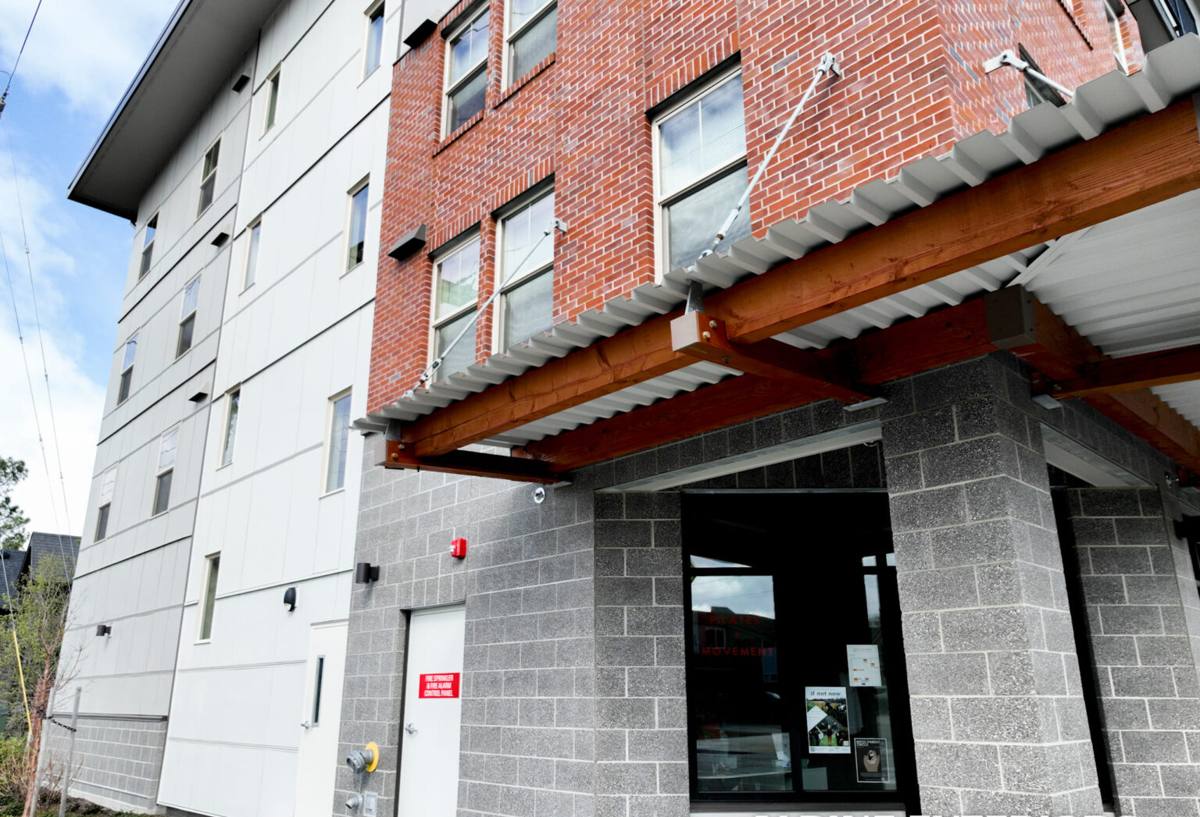
Why Wiser Lake Siding Takes a Beating
A few things stack up against exterior siding in this part of Whatcom County:
- Salt-influenced coastal air. Proximity to the Sound and Strait means airborne salt is a real factor in how fast fasteners corrode and finishes chalk or fade — especially on the weather-facing sides of a home.
- Driving, wind-pushed rain. Rain here rarely falls straight down. Wind pushes it sideways into laps, seams, and trim joints, which is exactly where poor caulking or a missed flashing detail turns into a slow leak.
- Shade and moisture retention. Tree cover around the lake is good for privacy and bad for drying time. Siding that stays damp longer after every storm is siding that grows moss, mildew, and — if the substrate is wood-based — rot, sooner than siding on an open, sun-exposed wall.
- A long moss season. Moss doesn't just sit on the surface. Once it establishes on siding, it holds water against the material and works into any gap or fastener hole, accelerating whatever damage is already starting underneath.
- Freeze-thaw cycling. Winter cold snaps aren't extreme here, but repeated freezing and thawing of trapped moisture inside a compromised panel or seam is enough to widen small cracks into bigger ones over a few seasons.
None of that means siding is doomed — it means repairs need to actually solve the moisture problem, not just cover it up.
Signs Your Siding Needs Repair, Not Just Paint
Some damage is obvious. Some hides until it's expensive. A few things worth walking your exterior and checking for:
- Soft or spongy spots when you press on the siding, especially near the bottom courses or under windows
- Visible cracking, splitting, or buckled panels, particularly on walls that catch the most wind-driven rain
- Persistent moss or dark streaking that comes back within weeks of cleaning
- Peeling or bubbling paint in a localized area rather than across the whole wall — often a sign of moisture trapped behind that spot
- Gaps opening up at seams, corners, or trim joints where caulking has failed
- Rust streaks below fasteners or trim, a common early sign in salt-influenced air
- Interior clues: a musty smell, a stained wall, or peeling interior paint on an exterior wall
Any one of these on its own might be minor. Several together, or damage that keeps returning to the same area, usually means water has found a path behind the siding and the repair needs to address that path — not just the surface.
Repair or Replace? How We Decide
Not every damaged section needs a full re-side, and not every problem should be patched. We look at scope, cause, and what's behind the siding before recommending either.
| Factor | Usually points to repair | Usually points to replacement |
|---|---|---|
| Extent of damage | Isolated to one or two areas | Spread across multiple walls or elevations |
| Underlying sheathing | Solid, dry when opened up | Soft, delaminated, or water-stained |
| Cause of failure | A specific flashing or caulking failure | Systemic issue — original install, product age, or house-wide moisture path |
| Material match | Matching material and profile is available | Discontinued product with no close match |
| Age of existing siding | Mid-life, otherwise sound | Near or past its realistic service life |
We'll always tell you honestly which side of that table your home falls on. If a targeted repair genuinely solves the problem, that's what we recommend — there's no upside to talking a homeowner into more work than the house needs.
What a Correct Repair Actually Involves
Finding the actual water path, not just the visible damage
Damaged siding is almost always a symptom. Before any panel comes off, we trace where the water is actually getting in — a gap at a window head, a failed kick-out flashing, a seam that was never properly lapped. Repairing the visible spot without fixing the entry point just delays the next repair.
Removing damage back to sound material
We cut and remove back to material that's actually solid and dry, including checking the house wrap or building paper underneath for tears or gaps. Patching over compromised sheathing just seals moisture in.
Correcting flashing and drainage details
A huge share of siding failures in wind-driven-rain climates trace back to flashing — missing, undersized, or installed in the wrong sequence relative to the water-resistive barrier. Any repair we do brings those details up to correct practice, not just back to however they were originally installed.
Matching material, profile, and finish
A repair that's structurally sound but visually mismatched still reads as a bad patch job from the sidewalk. We match panel exposure, profile, and finish as closely as the product line allows so the repaired section blends into the wall instead of standing out.
Why We Repair with James Hardie, Not Vinyl or LP Patches
Our company installs and repairs with James Hardie fiber cement exclusively — we don't install vinyl siding, LP SmartSide, or engineered wood products. That standard applies to repair work too, and it matters more here than in a drier climate.
Vinyl patches expand and contract at a different rate than what's often around them, and in driving rain they rely almost entirely on lap geometry to shed water — any distortion from heat or age opens a path. LP SmartSide and other wood-based composite products are engineered wood at their core, which means a compromised patch is still an organic material that can absorb and hold moisture exactly like the damage that got repaired in the first place. In a climate with a long moss season and extended damp periods, that's a real long-term liability, not a hypothetical one.
James Hardie fiber cement is non-combustible, dimensionally stable across temperature and moisture swings, and its ColorPlus factory finish is formulated to hold color and resist the fading and chalking that salt-influenced coastal air accelerates on field-painted surfaces. When we repair or replace a section, we're not just fixing today's problem — we're making sure that section performs the same way, and matches the same way, five and ten years from now. That's the whole reason we standardized on one product system instead of installing whatever a homeowner already has.
Our Wiser Lake Repair Process
- On-site inspection. We walk the exterior, check the areas you've flagged, and look for related issues you may not have noticed yet — repairs are cheaper found early than found later.
- Honest diagnosis. We explain what's actually causing the damage, not just what it looks like from the ground, and give you a straight answer on repair versus replacement.
- Written scope and estimate. You get a clear plan before any work starts — what's being removed, what's being fixed underneath, and what's going back up.
- Correct removal and moisture-barrier check. Damaged material comes off cleanly, with the sheathing and water-resistive barrier inspected and repaired as needed.
- Flashing and detail correction. Any flashing or sealing issue that caused the original failure gets fixed as part of the repair, not left in place.
- Matched James Hardie installation. New material is installed to manufacturer spec, matched to the surrounding siding for profile and finish.
- Final walkthrough. We review the completed repair with you before calling the job done.
Why Local Experience in This Area Matters
A repair crew that regularly works around Wiser Lake and the wider Semiahmoo area already knows what this specific combination of tree cover, lake-adjacent humidity, and wind-driven coastal rain does to a wall over time — where moss tends to establish first, which elevations take the worst of the weather, and which older installations in this region are prone to the same recurring flashing mistakes. That local pattern recognition shortens the diagnosis and reduces the chance of a repair that looks fine but misses the actual cause. It's also worth confirming any contractor you hire for exterior repair work in Whatcom County carries proper licensing and insurance, and is willing to explain their diagnosis in plain terms before starting work — not just quote a price.
Get a Straight Answer on Your Siding
If you're seeing damage, staining, or recurring moss on your Wiser Lake home's siding, it's worth getting an honest look before it spreads further. We offer free, no-pressure estimates — use the form below to schedule a visit and get a clear diagnosis of what's actually going on with your siding.