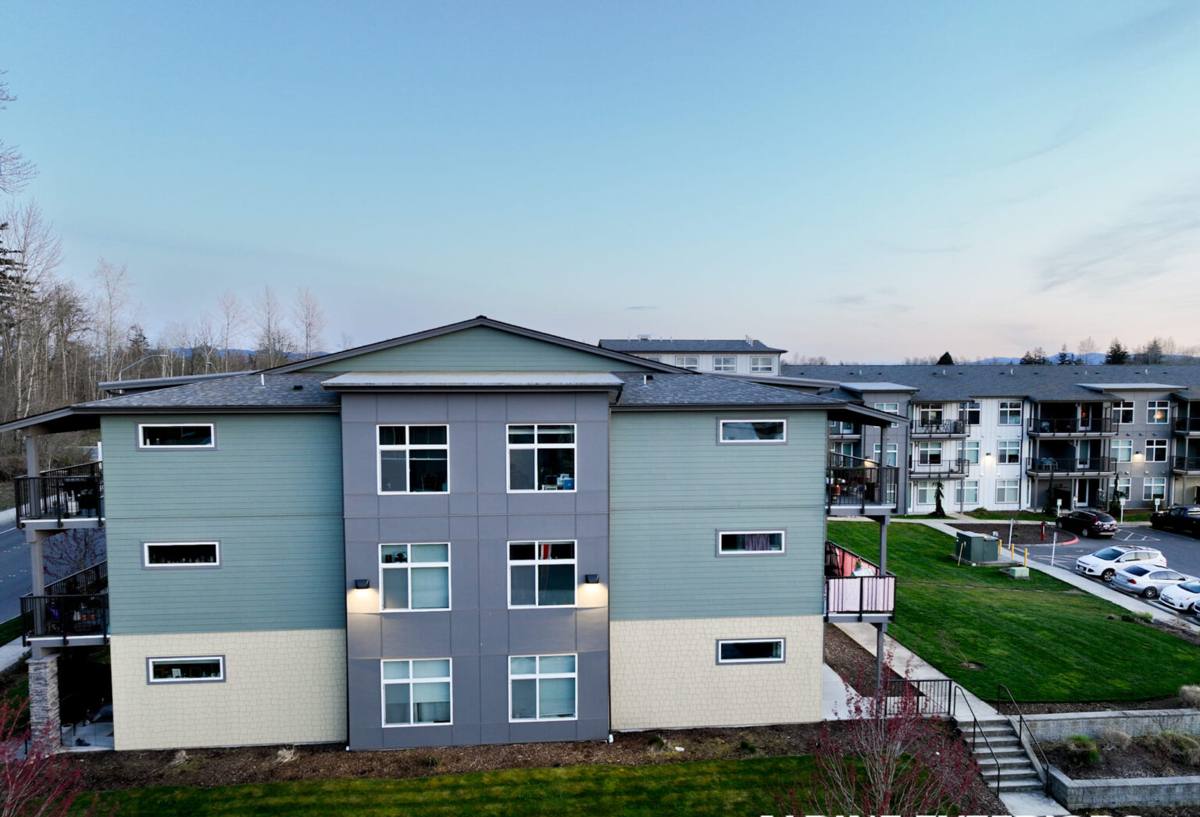
 Semiahmoo Exterior
 Why Peace Arch Homes Need a Different Approach to Siding
Peace Arch sits about as close to the water and the border as a Washington neighborhood gets, and that location shapes everything about how a home's exterior ages. Homes here take a steady diet of salt-laden air off Semiahmoo Bay and Drayton Harbor, driving rain that comes in sideways during winter storms, and a moss season that can stretch from October through April in the shaded, damp corners of a lot. None of that is unique to any one house on the peninsula — it's the baseline every exterior surface in this part of Whatcom County has to survive, year after year.
Siding that isn't built or installed for these conditions doesn't fail dramatically. It fails quietly — a soft spot behind a downspout, a swollen seam near grade, a north wall that stays green longer each spring than it used to. By the time it's obvious from the street, moisture has usually been working behind the surface for a while. Getting siding installation right in Peace Arch means designing for salt, water, and shade from the start, not patching problems after they show up.
What the Local Climate Actually Does to Siding
Salt Air and Corrosion
Airborne salt from the bay accelerates corrosion on fasteners, trim flashing, and any metal component in the wall assembly. Cheap or mismatched fasteners can start corroding years before the siding itself shows wear, and once a fastener fails, water finds a path in behind it.
Driving Rain and Wind-Driven Moisture
Storms off the Strait of Georgia don't just drop rain straight down — wind pushes it sideways into wall assemblies, seams, and butt joints. A siding system with generous overlaps, correctly lapped house wrap, and properly flashed penetrations sheds that water. A system installed to minimum spec, or installed fast, tends to let it find a way in.
Moss, Shade, and Prolonged Dampness
Mature tree cover and long stretches of overcast weather keep north- and east-facing walls damp for days at a time in the wet season. Any siding material that can absorb moisture or swell will hold onto that dampness longer in these shaded zones, which is exactly where moss, mildew, and paint failure show up first.
Why We Install Only James Hardie Fiber Cement
We standardized on James Hardie fiber cement siding for every installation we do, including here in Semiahmoo, and we don't install vinyl, LP SmartSide, Cemplank, Allura, primed spruce, or cedar. That's a deliberate professional standard, not a sales pitch — it comes down to how each material actually performs against salt air, driving rain, and sustained dampness over decades, not just in the first few years.
Fiber cement is dimensionally stable and doesn't absorb water the way wood-based products can, so it isn't prone to swelling, cupping, or rot at cut edges and butt joints — the exact failure points that show up first in a wet, salty coastal climate. It's also non-combustible, which matters given Washington's increasing wildfire exposure even on the wetter west side of the state. James Hardie's factory-applied ColorPlus finish is baked on and warrantied against fading, which holds up better under the region's long gray winters and intense summer UV than most field-applied paint systems. Combined with a strong transferable warranty, it's the product we're willing to put our name behind on a Peace Arch home.
What Correct Siding Installation Involves
The siding itself is only part of the system. Most siding failures we're called to diagnose trace back to the water-management details behind the boards, not the boards themselves. A correct installation includes:
- A properly lapped weather-resistive barrier (house wrap) installed shingle-style so every seam sheds water downward
- Rigid flashing at every window, door, and penetration — not just caulk — so water is directed out, not trapped
- Correct fastener type and placement per the James Hardie installation manual, sized and spaced for our wind and moisture exposure
- Proper clearance between the bottom edge of the siding and grade, decks, and roof lines to keep splash-back and standing moisture away from the material
- Factory-cut and factory-primed edges used wherever possible, with any field cuts sealed per manufacturer spec
- Correct caulking and sealant only where the manufacturer calls for it — not as a substitute for proper flashing
Skipping any one of these doesn't usually cause an immediate problem. It shows up two, five, or ten years later as a soft spot, a stain, or a section that needs to come off and be redone — which costs far more than doing it right the first time.
A Quick Homeowner Checklist
- Ask what weather-resistive barrier is being used and how the laps are oriented
- Ask to see the flashing detail at windows and doors before siding goes on, not after
- Confirm fastener type and spacing match the manufacturer's current installation manual
- Confirm minimum clearance from grade, roofline, and decks is being held
- Get the warranty in writing — both the manufacturer's and the installer's labor warranty
Comparing Common Siding Materials for This Climate
| Material | Moisture Behavior | Salt Air Resistance | Long-Term Maintenance |
|---|---|---|---|
| James Hardie fiber cement | Dimensionally stable, does not swell or rot | Strong; factory finish resists coastal wear | Low; occasional wash, repaint on a long cycle if ever |
| Vinyl | Doesn't rot but can warp/distort with heat and impact | Fasteners and trim pieces can corrode over time | Low upfront, but brittle with age; hard to patch invisibly |
| Cedar | Absorbs moisture; prone to cupping and rot in shaded, damp zones | Needs consistent sealing/staining to resist salt air | High; regular refinishing required |
| LP SmartSide / engineered wood | Resists rot better than raw wood but edge/cut sealing is critical | Moderate; performance depends heavily on installation detail | Moderate; recoat and edge-seal on a set schedule |
Why It Matters to Hire a Crew That Already Works Peace Arch
Siding installation isn't one-size-fits-all, even within Whatcom County. A crew that mostly works drier, inland areas may not default to the flashing details, fastener choices, and clearance margins that a bay-facing, salt-exposed, tree-shaded property in Peace Arch actually needs. A crew that already works this neighborhood knows which walls take the worst of the wind-driven rain, where moss pressure tends to be worst, and how to sequence the job around our wet-season weather windows so materials aren't installed damp or under a barrier that hasn't had a chance to dry.
That local familiarity shows up in small decisions that add up: how tight to run clearances near a shaded fence line, which corners need extra flashing attention because of how the wind typically hits the house, and how to schedule around the rain rather than rushing through it. None of that is exotic — it's just what comes from doing this work repeatedly in this specific environment.
Our Process for a Peace Arch Siding Installation
1. On-Site Assessment
We look at the whole exterior, not just the siding — grading, gutters, roofline, existing moisture damage, and how the sun and wind hit each elevation. This tells us where extra attention is needed before the first board goes up.
2. Tear-Off and Substrate Check
Once old siding is removed, we check the sheathing underneath for hidden rot or damage. Anything compromised gets repaired before the new weather-resistive barrier goes on — covering a bad substrate just hides the problem.
3. Water Management First
House wrap, flashing, and penetration details go in correctly and get inspected before any siding is installed. This is the layer that actually keeps water out; the siding is the second line of defense, not the first.
4. James Hardie Installation to Manufacturer Spec
Boards, panels, or shingles go on per the current James Hardie installation manual — fastener type, spacing, clearances, and joint treatment all follow spec, not shortcuts.
5. Final Walkthrough
We walk the finished job with the homeowner, review the warranty paperwork, and go over any maintenance basics specific to the home's exposure.
What This Means for Your Home
If your current siding is showing persistent moss on shaded walls, soft or discolored spots near grade, or paint that's failing faster than it used to, those are signs the material or the installation behind it isn't keeping up with what a Semiahmoo, Whatcom County property actually demands. Replacing it with James Hardie fiber cement, installed with the water-management details this climate requires, addresses both the material and the workmanship side of the problem at once.
If you'd like a straightforward look at your home's siding and what it would take to get it right for the long term, we're happy to come out for a free, no-pressure estimate — just fill out the form below.