 Semiahmoo Exterior
 Why Siding Installation Gets Judged Differently in Lynden
Lynden sits inland from the coast, but that doesn't mean the house exteriors here get an easy ride. Whatcom County's marine-influenced weather still reaches this far — long stretches of steady, driving rain in the fall and winter, damp air that lingers over farmland and low ground, and short winter days that never quite dry a wall out before the next system rolls through. Add a moss season that can run half the year on shaded north and east walls, and you've got a climate that punishes any siding job with sloppy water management, even if the product itself is decent.
Homes in and around Lynden also tend to sit on larger lots — open exposure on one side, wind-sheltered by trees or outbuildings on another, and often close enough to irrigated fields or low-lying ground that humidity stays elevated longer than in town. That mix of exposure and moisture is exactly the condition that separates a siding installation that lasts twenty-plus years from one that starts showing problems in five.
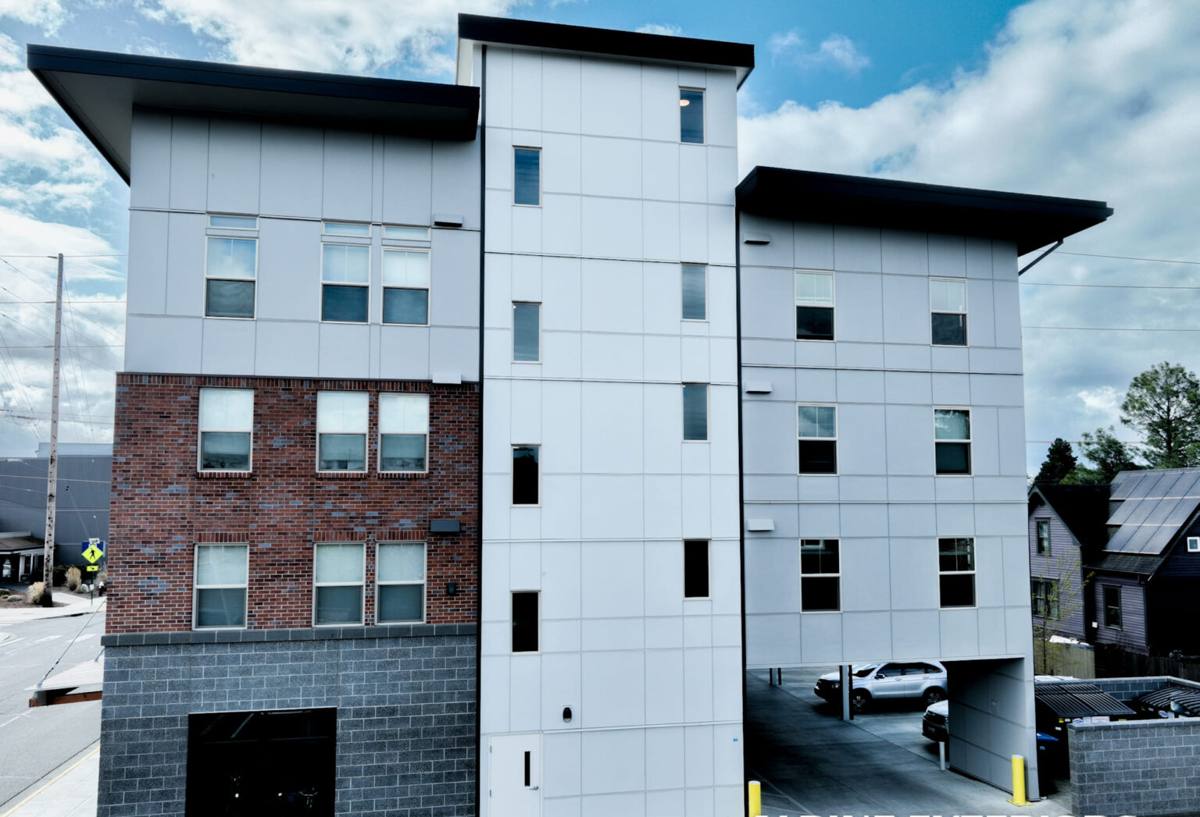
What "Correct" Siding Installation Actually Means
Siding installation is not just fastening boards to a wall. The siding itself is the last layer of a system — and most of the failures we get called out to inspect trace back to something behind the siding, not the siding itself. A correct installation includes:
- A continuous water-resistive barrier (house wrap or equivalent) installed shingle-style so every layer drains outward and down
- Properly flashed windows, doors, and any wall penetrations — vents, hose bibs, light fixtures — before a single piece of siding goes up
- Correct fastener type, spacing, and depth for the specific product, not a generic "close enough" nailing pattern
- Manufacturer-specified clearances at grade, roof lines, decks, and dissimilar materials so water has somewhere to go
- Caulking and sealant used only where the manufacturer calls for it — not as a substitute for proper flashing
Skip any one of those steps and the siding can look perfect for a year or two while moisture quietly works behind it. In a climate like Whatcom County's, that hidden damage tends to show up as soft trim, staining, or rot at the worst possible spots — corners, butt joints, and anywhere two materials meet.
Why We Talk About This Before We Talk About Product
We install one siding product — James Hardie fiber cement — and we'll explain why below. But the honest truth is that even the best siding on the market will fail early if it's installed with shortcuts. So before you compare products, compare installation standards. Ask any contractor bidding your Lynden home exactly how they handle flashing at windows and how they manage the water-resistive barrier. If the answer is vague, that's worth knowing before you sign anything.
Why We Only Install James Hardie Fiber Cement
We get asked regularly why we don't offer vinyl, LP SmartSide, cedar, or other fiber cement brands. It's a fair question, and the honest answer is that we made a standardization decision based on what holds up in this climate over decades, not what's cheapest to quote.
| Product | What it gets right | Why we don't install it |
|---|---|---|
| Vinyl siding | Low upfront cost, low maintenance day-to-day | Expands and contracts significantly with temperature swings, can warp or crack in impact, and its seams and J-channels give moisture more paths inward over time |
| LP SmartSide | Lighter than fiber cement, easier to handle on install day | Engineered wood strand product — edges and cut ends are vulnerable to moisture intrusion if sealing isn't perfect and maintained, which is a real risk in a wet climate |
| Cedar / primed spruce | Natural look, long tradition in the Pacific Northwest | Needs ongoing refinishing, is a combustible material, and is highly sensitive to the moss, algae, and moisture cycles common on shaded Whatcom County walls |
| Other fiber cement brands (Cemplank, Allura) | Similar core material chemistry to Hardie | We standardized on one manufacturer so our crew's training, fastening specs, and warranty knowledge stay consistent on every job — no guessing between product lines |
| James Hardie | Non-combustible, factory-cured ColorPlus finish, climate-specific HZ engineering, strong transferable warranty | This is what we install |
None of the products we don't install are junk — vinyl and LP both have a legitimate place in the market, and cedar has real aesthetic appeal. But for a company putting its name behind an installation in a climate that stays wet for months at a time, we wanted one product we could master completely rather than four we know moderately well.
James Hardie's HZ Engineering and Why It Matters Here
James Hardie makes region-specific formulations of its fiber cement, and Washington falls under their HZ10 climate zone designation — engineered for regions with sustained moisture exposure rather than dry heat. The practical difference is in how the cement formulation and ColorPlus factory finish are tuned to resist moisture absorption and hold color under constant damp-and-dry cycling, which is exactly the stress pattern Lynden sees for a good chunk of the year.
ColorPlus finish is baked on in a controlled factory environment rather than field-applied, which matters because field-applied paint is only as good as the weather conditions on the day it was sprayed. A factory finish also comes with its own finish warranty separate from the substrate warranty — worth understanding before you pick a color, since touch-up paint and full-coat repainting are handled differently.
Our Installation Process, Start to Finish
1. Site Walk and Water Management Plan
Before we talk product lines or colors, we walk the whole exterior and identify where water currently collects, drains, or has clearly caused problems in the past — soft trim, staining below windows, moss buildup on north walls. That map drives the flashing and drainage plan for the job, not a generic template.
2. Tear-Off and Substrate Check
Old siding comes off and we inspect the sheathing underneath. This is the point where hidden rot, past water damage, or inadequate old flashing gets found — and it needs to be dealt with before anything new goes on the wall, not covered over.
3. Water-Resistive Barrier and Flashing
A new drainage plane goes on correctly lapped, and every window, door, and penetration gets flashed to shed water outward before the cladding goes up. This step is invisible once the job is done, which is exactly why it's the step worth asking your contractor about directly.
4. Hardie Installation to Manufacturer Spec
Boards or panels go up with the fastener type, spacing, and clearances James Hardie specifies for the product line — this affects both the warranty validity and how the siding performs over time. Corners, trim, and butt joints get detailed carefully since those are the highest-risk points for water entry.
5. Trim, Caulk, and Final Detailing
Sealant is applied only where it belongs in the system — not as a patch for a flashing shortcut. Trim gets finished to match the ColorPlus system so the whole exterior reads as one consistent job.
6. Walkthrough and Cleanup
We walk the finished exterior with the homeowner, cover care and maintenance basics, and clear the site of debris and old material.
Signs a Lynden Home's Siding Is Already Failing
Because moisture damage often starts behind the siding, by the time it's visible on the surface it's usually been developing for a while. Worth checking for:
- Soft or spongy spots when you press on siding or trim, especially near the bottom courses and window sills
- Persistent moss or dark algae staining that keeps returning within a season or two of cleaning
- Visible warping, buckling, or gapping at seams and corners
- Paint that's peeling or bubbling rather than just fading evenly
- Interior signs like musty smells near exterior walls, or staining on interior drywall near windows
- Caulk that's cracked, shrunk, or pulled away from joints
Any one of these is worth a look. Several together usually means it's time to talk about full replacement rather than a patch repair.
Choosing a Hardie Product Line for a Lynden Home
James Hardie offers several product lines, and the right one depends on the home's style and how much of the wall is exposed to weather versus sheltered.
| Product line | Best fit | Notes |
|---|---|---|
| HardiePlank lap siding | Traditional farmhouse and craftsman-style homes common throughout Whatcom County | Most common choice; wide range of ColorPlus colors and textures |
| HardiePanel vertical siding | Board-and-batten look, gable accents, shop or outbuilding exteriors | Popular for the barn-style accents seen on larger rural lots |
| HardieShingle | Accent gables, dormers, decorative sections | Usually paired with lap siding rather than used whole-house |
| HardieTrim | Corners, window and door trim, fascia | Keeps the whole exterior on one consistent, matched finish system |
We'll walk through which combination fits the home's architecture and sun/wind exposure during the estimate rather than guessing from a brochure.
Cost Factors for a Lynden Siding Installation
We won't quote a number without seeing the house, but the real cost drivers on most jobs are consistent:
| Factor | Why it moves the price |
|---|---|
| Tear-off condition | Rot or damaged sheathing found underneath old siding adds repair work before install can start |
| Wall complexity | Dormers, multiple gables, and detached structures (common on larger rural lots) add cutting, flashing, and labor time |
| Product line mix | Combining lap, panel, and shingle accents costs more than a single product across the whole house |
| Trim and color choices | Custom trim details and less common ColorPlus colors can affect material lead times and cost |
| Access and site conditions | Long driveways, detached shops, or tight clearances around landscaping affect staging and scaffolding time |
The only way to get an accurate number is a walk-through — broad estimates without seeing the actual wall conditions tend to be wrong in one direction or the other.
Why a Crew That Already Works Lynden Matters
Siding installation done right depends on understanding how a specific home's exposure interacts with the local weather pattern — which walls stay wet longest, where moss actually takes hold, how a property's tree cover or open field exposure changes the drainage plan. A crew that regularly works Whatcom County homes has already seen how these variables play out on dozens of similar houses, rather than treating every job as a first attempt. That translates into faster, more accurate diagnosis of what's actually wrong with an existing exterior and a flashing and drainage plan that's built around real local conditions rather than a one-size-fits-all approach.
It also means being reachable for warranty questions, touch-up guidance, or a follow-up look years down the road — not a crew that did one job in the area and moved on.
Caring for Hardie Siding After Installation
James Hardie siding is genuinely low-maintenance compared to wood, but "low-maintenance" isn't "no-maintenance," especially in a wet climate. A light annual rinse to clear moss and organic buildup, prompt attention to any caulk that starts to crack or pull away, and keeping gutters clear so water isn't sheeting down the wall face will keep a correctly installed system performing for its full service life. None of this is heavy work — it's the kind of upkeep that takes an afternoon a year and prevents small issues from becoming expensive ones.
If you're weighing a siding replacement on a Lynden home, we're happy to come look at what you've got now, explain what we're seeing, and put together a straightforward, no-pressure estimate for James Hardie installation done to spec. There's no obligation — just an honest look at the house and the options.