 Semiahmoo Exterior
 Roof Repair Built for Semiahmoo Resort's Coastal Conditions
Homes in Semiahmoo Resort sit about as close to the water as a Whatcom County roof can get, and that location shapes almost every repair decision we make. Salt-laden air off Semiahmoo Bay and the Strait of Georgia accelerates corrosion on fasteners, flashing, and any exposed metal. Driving rain off the water finds its way into laps and seams that would stay dry on a more sheltered inland roof. And the long, wet moss season that defines this stretch of the Pacific Northwest keeps shingles damp for months at a time, which shortens their working life if the roof isn't kept clean and properly ventilated. A roof repair here isn't just patching a leak — it's addressing the specific combination of salt, wind-driven moisture, and moss that this neighborhood deals with every year.
We've done repair work throughout Semiahmoo and the surrounding Whatcom County coastline long enough to know which failure patterns show up here again and again, and we build our repairs to hold up against them, not just to look right on the day we leave.
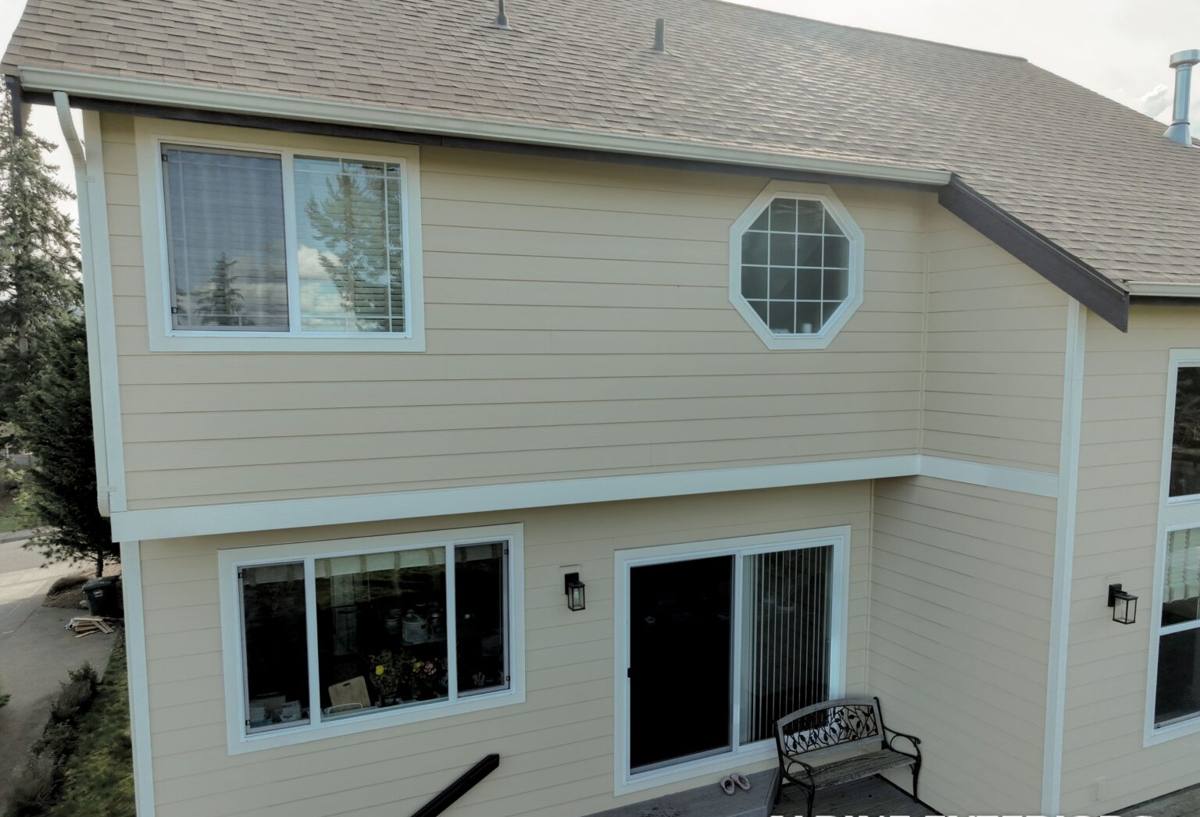
What Semiahmoo Resort Roofs Are Up Against
Salt Air and Metal Fatigue
Salt air is corrosive to unprotected or poorly coated metal — flashing, nail heads, vent caps, and gutter hardware all take the brunt of it. Once corrosion starts on a flashing seam or a fastener, it doesn't stay contained; it works its way into the surrounding roofing material and creates a leak path even if the shingles above look fine. This is one of the most common root causes of "mystery leaks" we find on resort-area roofs — the shingles get blamed when the real failure is a corroded nail or a rusted-through flashing edge underneath.
Driving Rain and Wind-Driven Moisture
Semiahmoo Resort's exposure to open water means storms often arrive with sideways rain rather than straight-down rain. That matters because standard shingle laps and butt joints are designed to shed water moving downward, not water being pushed sideways or even slightly upward under a shingle edge. Roof valleys, chimney flashing, skylight curbs, and any horizontal transition (like a roof-to-wall junction) are the most vulnerable points during these events, and they're where we concentrate inspection time on every repair call.
Moss, Shade, and Trapped Moisture
The long moss season here isn't just cosmetic. Moss holds moisture against the roofing surface far longer than bare shingle would dry on its own, and as it spreads under shingle tabs it can lift edges and create small gaps that let water in during the next rain. North-facing slopes and roof sections shaded by trees or neighboring structures are the areas we check most closely, since they hold moisture longest and are usually where moss establishes first.
What a Correct Repair Actually Involves
A roof repair that's done right starts with figuring out the actual source of the problem, not just patching where water is showing up inside the house. Water travels — a stain on a ceiling can be several feet from where it's actually entering the roof, especially along a slope. Here's what we look at on every repair:
- The full roof surface, not just the area near the reported leak, since salt-air corrosion and moss growth often affect multiple spots at once
- Flashing condition around chimneys, skylights, vent pipes, and roof-to-wall transitions — the most common failure points in this climate
- Fastener condition, especially on older roofs where nail corrosion is common near the shoreline
- Underlayment condition where shingles have been lifted or removed, since a damaged underlayment can leak even after the visible shingle repair is complete
- Attic or roof-deck evidence of moisture — staining, soft decking, or mold — that points to how long the leak has been active and whether decking needs replacement
- Moss and debris buildup, and whether it's contributed to the failure or is just a secondary issue that needs cleaning
Once we know the cause, the repair itself typically involves removing and replacing damaged shingles or roofing material, correcting or replacing failed flashing, replacing any compromised underlayment or decking, and re-fastening with corrosion-resistant hardware appropriate for a coastal environment. We don't consider a repair finished until we've confirmed the surrounding material is sound too — a patch next to a section that's about to fail on its own just means a second repair call within the year.
Repair vs. Replacement: How We Help You Decide
Not every leak means a new roof, and not every roof is worth continuing to patch. We give homeowners an honest read on which side of that line their roof is on, based on the roof's age, the extent of the damage, and how many separate problem areas exist.
| Factor | Usually Repair | Usually Replace |
|---|---|---|
| Age of roofing material | Well within its expected service life | At or past the end of its typical lifespan |
| Extent of damage | Isolated to one or two areas | Widespread across multiple slopes |
| Decking condition | Solid, no soft spots | Soft, rotted, or repeatedly wet decking |
| Flashing condition | Localized corrosion or gaps | Flashing failing broadly across the roof |
| Moss/moisture history | First occurrence, manageable | Chronic, recurring saturation over years |
If a roof is genuinely at the point where repairs would just be a series of stopgaps, we'll say so plainly and explain why — we'd rather lose a smaller repair job than have a homeowner pay for patchwork on a roof that needs to come off.
Our Repair Process
1. Inspection and Diagnosis
We walk the roof (or use a drone where a walk-on inspection isn't safe or practical), check the attic side where accessible, and identify every contributing factor — not just the obvious leak point. You get a clear explanation of what we found and why it's happening.
2. Written Scope and Estimate
Before any work starts, you get a written scope covering exactly what will be repaired, the materials involved, and the cost. No verbal estimates that turn into a different number on the invoice.
3. The Repair
We remove and replace only the damaged material, matching existing roofing where possible so the repair blends in rather than standing out as an obvious patch. Flashing and fasteners are upgraded to corrosion-resistant materials suited to this coastal environment, even if that wasn't the original spec on the roof.
4. Cleanup and Final Check
We clear debris, check gutters and downspouts near the repair area for anything that fell during the work, and do a final walk-through so you know exactly what was done.
Why Moss Management Matters More Here Than Most Places
Because Semiahmoo's moss season runs long compared to drier parts of the state, a roof that gets moss removed once and never addressed again will likely be back to the same condition within a year or two. We treat moss as part of the repair conversation, not a separate service — if moss contributed to the failure we're fixing, we'll tell you what to expect going forward and what reasonable upkeep looks like, without pushing an unnecessary maintenance contract.
Simple Signs You Should Get a Roof Checked
- Visible moss or dark streaking on north-facing or shaded slopes
- Granules collecting in gutters or at downspout outlets
- Any ceiling stain, even a small one, especially after a windy rainstorm
- Shingles that look lifted, curled, or out of line along a valley or edge
- Visible rust or discoloration on flashing around chimneys or vents
- A roof age approaching or past the upper end of its expected service life
Materials and Fasteners We Use for Coastal Repairs
For repair work in a salt-air environment, standard-grade fasteners and uncoated flashing are a false economy — they corrode faster here than they would inland, which just sets up the next leak. We use corrosion-resistant fasteners and flashing materials suited for coastal exposure on Semiahmoo repairs, and we match shingle or roofing material to what's already installed whenever a reasonable match is available, so the repair doesn't stand out or create a mismatched wear pattern down the road.
Why Local Experience in Semiahmoo Resort Matters
A roofer who mostly works inland Whatcom County jobs won't necessarily think to check for salt-corroded fasteners first, or know which slopes in a resort-area layout tend to hold moss longest based on tree cover and orientation to the water. Working this specific area repeatedly means we're not guessing at what's causing a leak — we've usually seen the same failure pattern on a nearby roof facing the same wind and rain exposure. That local pattern recognition shortens diagnosis time and helps us get the repair scope right the first time, instead of coming back for a second and third visit to chase the actual cause.
Get an Honest Look at Your Roof
If you're dealing with a leak, visible moss, or just want a roof checked before the next round of fall storms, we're happy to come take a look. The estimate is free, there's no pressure, and you'll get a straight answer about what's actually going on — whether that's a simple repair or something bigger. Use the form below to get started.