 Semiahmoo Exterior
 Building New in Ferndale? The Windows Have to Be Right the First Time
New construction gives you one real shot at getting window installation right. Once the siding, trim, and interior finish work close over the rough openings, fixing a flashing mistake means tearing into finished walls. That's true anywhere, but it matters more in Ferndale, where the combination of Salish Sea humidity, salt-laden air, and months of steady rain will find any gap in the water management system within a year or two, not a decade.
We install new-construction windows for homes going up around Ferndale and the broader Semiahmoo area — working directly with builders, general contractors, and owner-builders who want the window package done to a standard that holds up to Whatcom County weather, not just to code minimums.
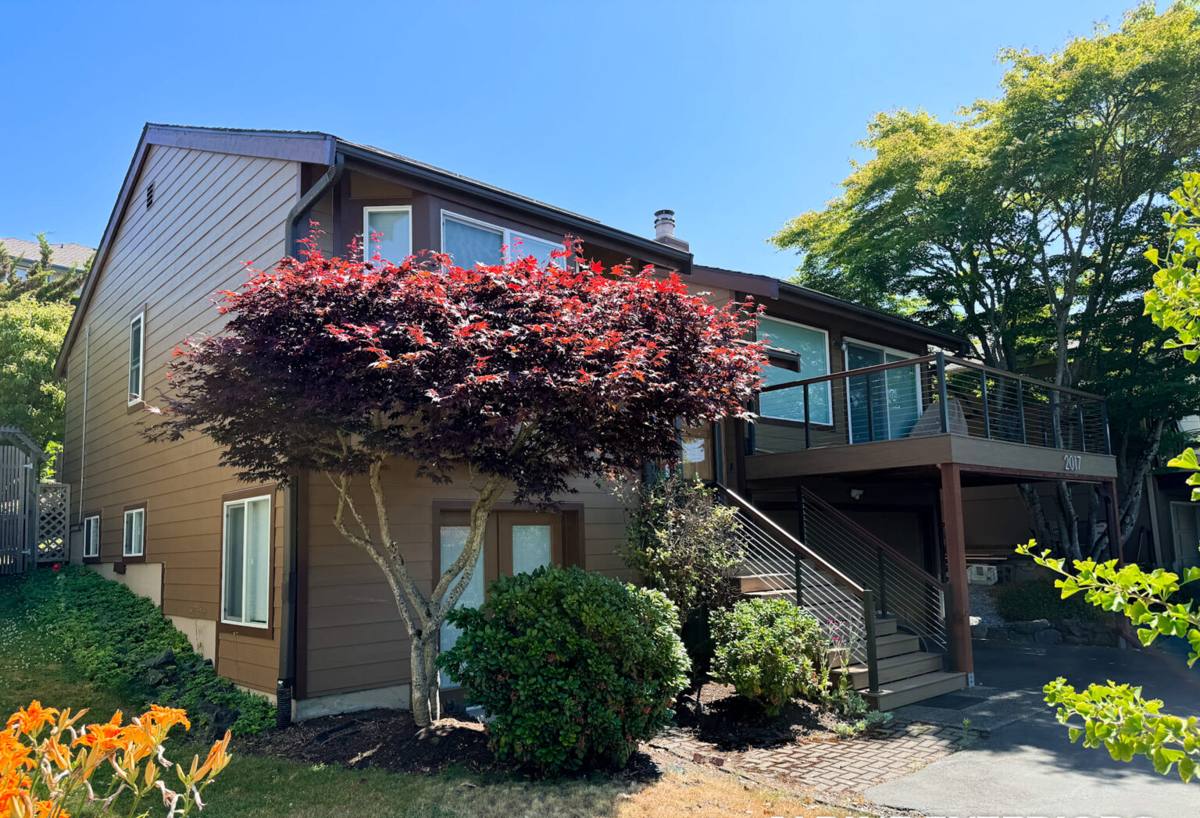
New Construction vs. Replacement: Why the Job Is Different
Replacement window work happens inside an existing wall — you're matching an opening that's already flashed, trimmed, and sided. New-construction window installation happens before any of that exists. The window itself is a different product (typically a nail-fin unit set into a rough opening), and the sequencing with the weather-resistive barrier, flashing tape, and siding trades has to happen in the correct order or the whole assembly fails quietly, behind the finish materials, where nobody sees it until there's a stain on the drywall.
What that means in practice
On a new build, the window installer isn't working alone. We're one link in a sequence that includes the framer, the house wrap or WRB installer, the siding crew, and often the trim carpenter. Getting new-construction windows right means understanding that sequence well enough to install correctly and communicate clearly with everyone installing before and after us.
What Ferndale's Climate Actually Demands From a New Window
Ferndale sits in a part of Whatcom County that gets a real mix of coastal and inland weather: salt-tinged air off the Salish Sea, long stretches of driving, wind-blown rain in the fall and winter, and a damp shoulder season that grows moss on anything that stays wet too long. None of that is exotic — it's just persistent, and persistence is what wears out a mediocre window install.
- Salt air accelerates corrosion on exposed fasteners, hardware, and lower-grade cladding — it doesn't ruin a window install by itself, but it punishes any detail that was left exposed or under-protected.
- Driving, wind-blown rain tests flashing laps and sill pans directly. Rain that falls straight down is easy to shed; rain pushed sideways under wind pressure finds every reverse lap and unsealed penetration.
- A long wet season means any water that does get behind the cladding has months to sit, rather than a quick dry spell to bail it out. Slow drying is what turns a small flashing error into rot.
- Moss and organic growth on north-facing walls and horizontal trim surfaces hold moisture against the building longer, which is one more reason sill flashing and end-dam details can't be an afterthought.
None of this means Ferndale needs unusual windows. It means the installation — the flashing, the sealant choices, the sill pan, the lap order — has to be done correctly every time, because the climate doesn't give a bad detail a chance to dry out before it becomes a problem.
Flashing and Water Management: Where New Builds Succeed or Fail
The window unit itself is rarely what fails on a new build. What fails is the water management system around it — and on new construction, that system is built in layers, mostly by hand, mostly hidden from view once the siding goes on.
The sequence we hold to
- Sill pan first. A sloped, back-dammed sill pan under the rough opening gives any water that does get past the window somewhere to go — out, not into the wall cavity.
- Weather-resistive barrier prepped correctly. The WRB around the opening has to be cut and folded so it laps into the sill pan, not just taped over it.
- Window set and fastened per the manufacturer's schedule. Fastener spacing and type affect both structural performance and warranty coverage — this isn't a place to improvise.
- Flashing tape in shingle-lap order. Sides first, then the head flashing last, so every layer sheds water onto the layer below it, never up and under.
- Sealant only where it belongs. Sealant is a backup to good flashing, not a substitute for it — over-sealing a window (including sealing the bottom, which traps water) is a common mistake that looks tidy and causes problems years later.
Every one of those steps is inspectable during the build and invisible after. That's exactly why we document what we install and don't cut corners on steps a homeowner will never get to see once the siding's up.
Choosing Frame Materials for a Whatcom County New Build
Frame material is a builder-and-owner decision as much as it's ours, but we'll give you a straight read on how each option holds up to Ferndale's conditions rather than just pushing whatever's easiest to install.
| Frame Material | How It Handles Salt Air & Rain | Maintenance | Best Fit |
|---|---|---|---|
| Vinyl | Good — won't corrode or rot; performance depends on the specific product's UV and impact rating | Low — occasional cleaning | Cost-conscious builds, most residential new construction |
| Fiberglass | Very good — dimensionally stable, resists moisture-driven expansion/contraction | Low | Owners who want a higher-end feel and long service life |
| Aluminum-clad wood | Good exterior protection, but any breach in the cladding exposes wood to our wet climate | Moderate — cladding seams need to stay sealed | Homeowners who want a wood interior look and are willing to maintain it |
| Bare wood | Weakest in this climate without diligent, ongoing maintenance | High | We generally steer new builds away from this in Whatcom County's wet exposure unless there's a strong design reason |
We're not tied to one brand or material — our job is to install whatever product you and your builder have specified correctly, and to tell you honestly if a spec choice is going to create a maintenance burden you didn't ask for.
Our New-Construction Window Process
Before install day
We review the plans and window schedule, confirm rough opening sizes against the ordered units, and walk the framing with the builder to catch sizing or sequencing issues before windows arrive on site — a mismatch caught at this stage is a phone call; caught after install it's a change order.
Install day
We follow the sill-pan-to-head-flashing sequence above on every opening, set units level, plumb, and square, and fasten to the manufacturer's schedule so warranty coverage stays intact. We take photos of flashing details before they're covered by siding — useful documentation for the builder, the homeowner, and, if it's ever needed, a warranty claim.
After install
We do a final check for operation, weatherstripping seal, and hardware function once the building is closed in, and we're available if the siding crew or trim carpenter has a question about how we detailed an opening.
Coordinating With Your Builder or GC
Most of our new-construction work comes through a general contractor or builder, and we're set up to work that way — clear scheduling, clean handoffs to the siding and trim trades, and communication if field conditions require a deviation from the plan. If you're an owner-builder managing your own trades in the Ferndale area, we'll walk you through what needs to happen before and after our install so nothing falls through the gap between framing and siding.
Mistakes We See on New Builds in This Area
A few patterns come up often enough around Whatcom County that they're worth naming plainly, not to criticize anyone, but because they're avoidable:
- Flashing installed out of shingle-lap order — usually from rushing, and it turns the flashing system into a funnel instead of a shield.
- Sealing the bottom of the window unit — traps any water that gets in instead of letting it drain back out through the sill pan.
- Fastener schedules not followed — under-fastening affects structural performance and can void the manufacturer's warranty.
- WRB and flashing tape installed before the sill pan is finished — skips a step that's much harder to add after the fact.
- North- and west-facing openings treated the same as sheltered ones — exposure matters, and the sides of a house taking the most wind-driven rain deserve the same care as the front elevation, not less.
A Checklist Before Your Windows Go In
If you're an owner-builder, or you just want to know what to look for before your builder's crew closes the walls in, this is what we'd want confirmed on our own new build:
- Rough openings confirmed against actual window sizes, not just the plan set
- Sill pans installed and sloped to drain, with end dams at both corners
- WRB cut and lapped into the sill pan before flashing tape goes on
- Flashing applied in proper shingle-lap order: sides, then head, last
- Fasteners installed per the manufacturer's schedule — not just "enough to hold it"
- No sealant across the bottom of the window unit
- Photos taken of flashing details before siding covers them
- Windows operate smoothly and seal tight once the opening is finished
Why a Crew That Already Works Ferndale Matters
Window installation fundamentals don't change from town to town, but judgment calls do — how much margin to build into a sill pan detail, how seriously to treat a north-facing elevation, how a given siding product interacts with the flashing underneath it. A crew that's already worked new builds around Ferndale and Semiahmoo has made those calls before, in this weather, on this kind of build. That's not a substitute for good technique — it's what tells you when to apply extra care versus when standard practice is enough, and it means fewer surprises for you and your builder once the siding goes on.
If you're planning new construction in the Ferndale area and want a straight assessment of your window scope, we're glad to walk the plans with you or your builder and give you a free, no-pressure estimate — just fill out the form below.