 Semiahmoo Exterior
 Board & Batten in a Marine Climate: Why Marietta Is a Different Job
Marietta sits close enough to the water that homes here take a different kind of weathering than siding fifteen miles inland. Salt-laden air, wind-driven rain off the Strait, and a moss season that runs longer than most of Washington's interior valleys all work on vertical siding in ways that don't show up in a general product brochure. Board and batten is one of the most popular looks for homes in this part of Whatcom County — the clean vertical lines read well against the water and the tree line — but the same design that makes it attractive also creates more seams, more batten edges, and more places for moisture to find a way in if the install isn't done right.
We work Marietta and the surrounding Semiahmoo area regularly, which matters more here than it does in a drier climate. A board and batten job that's correct on paper but installed without accounting for salt exposure and constant damp will show problems in years, not decades. This page covers what that actually means for a Marietta home, what a correct installation involves, and why we only put James Hardie fiber cement on the wall when we do this work.
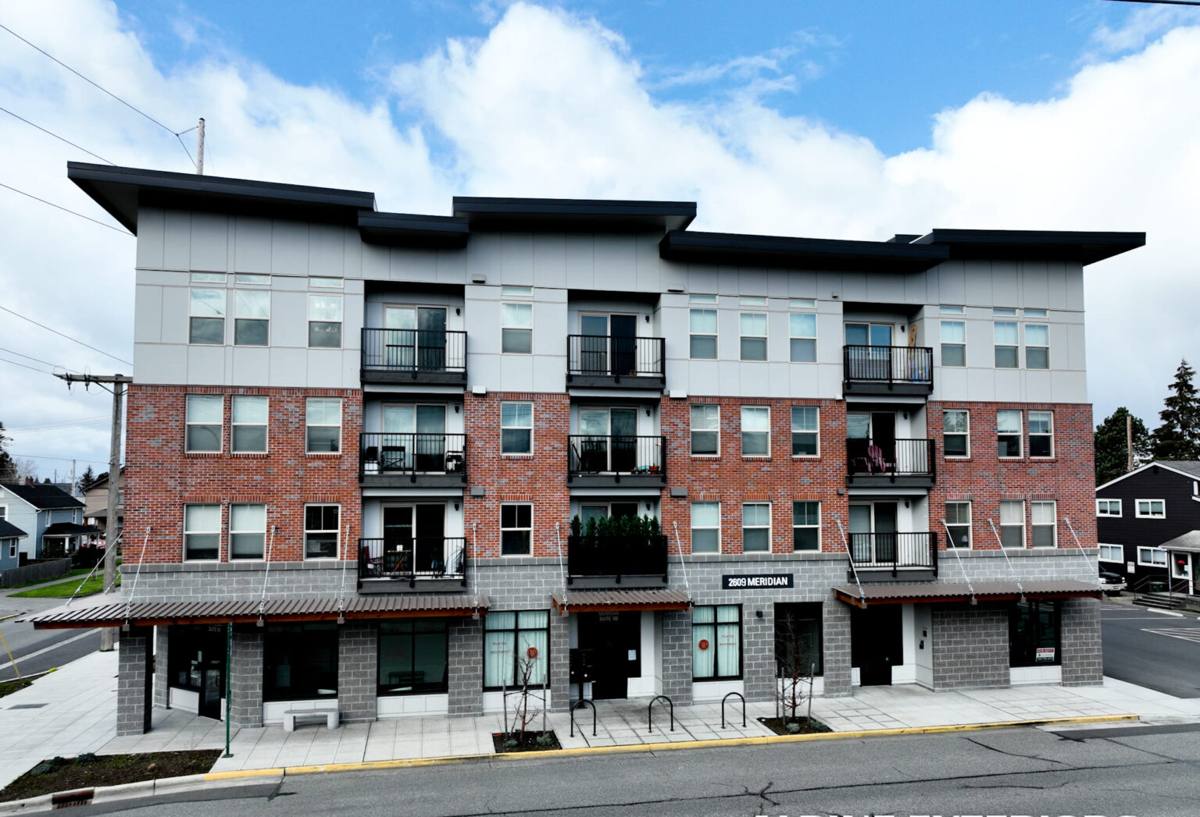
What Salt Air, Driving Rain, and Moss Actually Do to Vertical Siding
Salt air and fastener corrosion
Airborne salt from the Strait doesn't just sit on the surface of siding — it works into fastener heads, cut edges, and any exposed metal trim. Over years, corroding fasteners loosen, streak the finish, and eventually let boards move independently, which stresses caulk joints and opens gaps. This is a bigger factor for homes within the first mile or two of the shoreline, and Marietta's location puts a meaningful share of local homes in that zone.
Driving rain and wind-driven moisture
Semiahmoo's exposure means rain frequently arrives at an angle, not straight down. Vertical board and batten has more horizontal seams and batten-to-board joints than lap siding does per square foot, and each one is a potential entry point if the drainage plane behind the siding isn't doing its job. The siding itself is only half the system — what's happening behind it decides whether wind-driven rain stays on the surface or works its way to the sheathing.
A moss season that runs long
Whatcom County's damp, mild winters and shoulder seasons keep surfaces wet for extended stretches, which is exactly what moss and algae need to take hold. On siding that stays shaded — north-facing walls, areas under overhangs, anywhere airflow is limited — organic growth can start creeping into seams and batten edges within a couple of seasons on a product that doesn't resist it well. Left alone, that growth holds moisture against the surface and accelerates whatever underlying problem already exists.
Why We Install James Hardie — Not Vinyl, LP, or Cedar — for This Application
Board and batten shows up in several materials, and each one behaves differently under Marietta's specific mix of salt, rain, and moss. We standardized on James Hardie fiber cement for every siding job we do, board and batten included, because it's the product that holds up to this combination without asking the homeowner to fight the climate every year.
| Material | How it handles salt air & damp | Long-term concern in Marietta |
|---|---|---|
| Vinyl board and batten | Doesn't corrode, but battens can warp or bow with temperature swings and don't hold paint if you ever want a color change | Seams open over time; limited color life; can look brittle against a shoreline home |
| LP SmartSide (engineered wood) | Wood-based core is vulnerable if moisture gets past the coating at cut edges or fastener points | Edge swelling and delamination risk in a consistently damp climate |
| Cedar / primed spruce | Natural material, but absorbs moisture and needs a maintained paint or stain film to stay protected | Recurring refinishing; rot risk at battens and joints if maintenance lapses even one season |
| James Hardie fiber cement | Non-combustible, dimensionally stable, engineered moisture resistance; ColorPlus finish is baked on, not field-applied | Correct install with proper drainage plane is still required — the product doesn't excuse a bad install |
Hardie isn't magic — it still has to be installed with a working drainage plane and correct fastening, which we'll get into below. But it starts from a material that doesn't rot, doesn't need a paint film to stay watertight, and holds its factory finish through salt exposure and UV far longer than the alternatives. That's why it's the only product we put on a Marietta home.
What a Correct Board & Batten Install Actually Involves
The drainage plane comes first
Board and batten should never go directly against the sheathing in this climate. A weather-resistant barrier and a drainage gap behind the siding give any moisture that does get past the surface a path to drain and dry out instead of sitting against the wall. This is the single biggest factor in whether a board and batten wall lasts in a wet, salt-exposed environment — and it's invisible once the job is done, which is exactly why it's worth asking your contractor about directly.
Batten spacing and fastening
Battens need consistent spacing over a solid nailing pattern, with fasteners set to manufacturer spec — not just close enough. Over-driven or under-driven fasteners are one of the most common causes of early failure on board and batten, because they either crush the material at the fastening point or leave the board loose to move with wind and temperature changes.
Flashing and trim details
Window and door transitions, corner boards, and the base of the wall all need proper flashing integration, not just caulk. Caulk is a maintenance item; flashing is the actual water management. On a shoreline-adjacent home, skipping this step is where driving rain finds its way in within the first few wet seasons.
Factory-finished edges
James Hardie's ColorPlus finish is factory-applied and cured, which matters most at cut edges and joints — the areas most exposed to weather. Field touch-up paint should be used at every cut edge to maintain that protection; skipping this step is a common shortcut that shows up as staining and premature wear at seams.
Our Process on a Marietta Board & Batten Project
- Walk the home and assess current siding condition, drainage details, and any moisture damage already present at seams, corners, or the base of walls.
- Review the existing weather-resistant barrier and drainage plane — repair or replace as needed rather than sheeting over a compromised layer.
- Install James Hardie board and batten to manufacturer spec: correct fastener type and spacing, proper batten layout, and flashing at every penetration and transition.
- Touch up all cut edges and fastener heads with matched ColorPlus finish before the job is called complete.
- Walk the finished job with the homeowner and explain what maintenance, if any, the material actually needs going forward.
We don't shortcut the drainage plane or flashing details to hit a lower number — those are the parts of the job that determine whether the siding is still doing its job in year fifteen, not just at the final walkthrough.
Signs Your Current Siding Is Already Losing the Fight
- Dark streaking or green growth concentrated at seams, batten edges, or shaded north-facing walls
- Caulk that's cracked, pulled away, or missing at board and batten joints
- Soft spots, bubbling, or visible swelling near the base of walls or around window trim
- Rust streaks below fastener heads or trim pieces
- Boards that flex or feel loose when pressed near seams
- Paint or coating that's chalking, peeling, or noticeably faded compared to less-exposed walls
Any one of these on its own isn't necessarily an emergency, but on a shoreline-adjacent home in this climate, several of them together usually mean moisture has already gotten past the surface.
Maintenance: What Owning James Hardie Board & Batten Actually Looks Like
Fiber cement doesn't need the recurring paint or stain cycle that wood-based siding does, but a home in Marietta's marine environment still benefits from an annual rinse to clear salt residue and organic buildup, especially on shaded or north-facing elevations. Checking caulk joints and touch-up paint at cut edges every couple of years is worth the half hour it takes — catching a failed joint early is a small fix; catching it after a wet winter has worked behind the siding is not.
Why a Crew That Already Works Marietta Matters Here
Board and batten installation isn't complicated in the abstract, but getting it right in a specific climate means knowing where the actual failure points are for homes like the ones in this neighborhood — which elevations take the worst of the driving rain, where moss takes hold first, and how much salt exposure a given distance from the water actually translates to. A crew that already works this stretch of Whatcom County isn't guessing at those details on your job; they've already seen how the same installation choices play out a few years later on the house down the street.
If you're weighing board and batten siding for a Marietta home, we're happy to walk the property, look at what's there now, and give you a straight answer on what it would take to do it right — no pressure, no inflated scope. Reach out for a free estimate using the form below.