 Semiahmoo Exterior
 Siding Built for the Laurel Climate, Not Just the Laurel Look
Homes in the Laurel area sit in a part of Whatcom County that takes real weather. You're close enough to the Salish Sea and Semiahmoo Bay to deal with salt-laden air moving in off the water, far enough inland to hold onto shade and moisture longer than the immediate coastline, and squarely in the path of the long, wet Pacific Northwest winter. That combination — salt air, driving rain, and a moss season that can run most of the year on north-facing walls — is hard on siding that isn't built or installed for it. It's also exactly the environment we've built our installation process around.
A lot of siding problems we get called out to inspect aren't really material failures. They're installation shortcuts: a missing weather-resistive barrier lap, a fastener pattern that doesn't hold under wind-driven rain, trim that traps water instead of shedding it. In a climate this consistently wet, those shortcuts don't stay hidden for long.
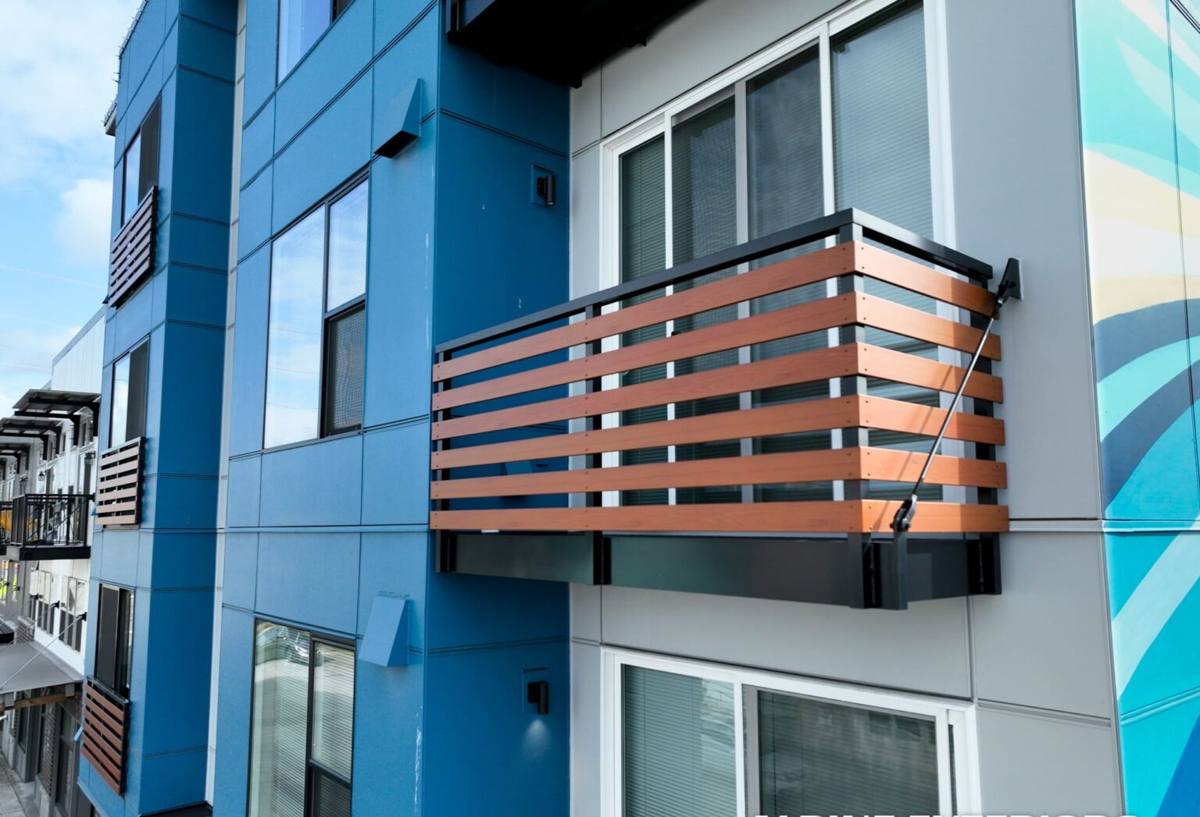
What Laurel-Area Homes Need From Their Siding
Salt Air and Corrosion
Even homes set back from the water pick up airborne salt during storms and onshore wind events. Over years, that salt accelerates corrosion on fasteners, flashing, and any metal trim that isn't rated for coastal exposure. It also degrades cheaper paint finishes faster than inland homes ever experience, which is why factory-applied, baked-on finishes matter more here than they would in a drier climate.
Driving Rain and Wind-Loaded Water
Whatcom County storms don't just drop rain straight down — wind pushes it sideways into wall assemblies, seams, and butt joints. Siding that relies on caulk or face-sealing to stay watertight tends to fail here faster than systems designed to shed water through overlap, drainage gaps, and proper flashing.
Moss, Algae, and Shade
Mature trees and long overcast stretches keep north- and east-facing walls damp for days at a time. That's ideal growing conditions for moss and algae, which hold moisture against the siding surface and, on organic or absorbent materials, accelerate rot and paint failure. Siding material choice and ventilation behind the cladding both matter more here than in a sunnier, drier region.
Why We Only Install James Hardie Fiber Cement
We made a deliberate decision years ago to install one siding system — James Hardie fiber cement — and not offer vinyl, LP SmartSide, Cemplank, Allura, or bare wood species like cedar or primed spruce. That's not a marketing position; it's a standard we hold ourselves to because of what we've seen these products do, and not do, in exactly this kind of climate.
Vinyl is inexpensive and low-maintenance, but it's a petroleum-based product that expands and contracts with temperature swings, can warp or crack in wind events, and offers essentially no fire resistance. LP SmartSide and other wood-strand products perform reasonably well when installation and maintenance are followed to the letter, but they're engineered wood — meaning any breach in the factory coating exposes wood fiber to moisture, and moisture is the one thing this climate never runs short of. Cedar and primed spruce are beautiful materials, but they require an ongoing maintenance commitment — refinishing, caulking, moisture monitoring — that most homeowners don't sign up for when they picture "new siding."
James Hardie fiber cement is cement, sand, and cellulose fiber. It doesn't rot, it doesn't feed pests, and it's non-combustible — a genuinely different risk profile than any wood-based or vinyl product. Its ColorPlus factory finish is baked on under controlled conditions, which holds up to salt air and UV exposure far better than field-applied paint. And Hardie's HZ5 product line is specifically engineered for climates like ours — freeze-thaw cycling, sustained moisture, and coastal exposure.
| Factor | James Hardie Fiber Cement | Vinyl | LP SmartSide / Wood |
|---|---|---|---|
| Moisture resistance | Does not absorb or rot | Doesn't rot but can trap moisture behind panels | Vulnerable once coating is breached |
| Fire resistance | Non-combustible | Melts/deforms under heat | Combustible |
| Finish durability in salt air | Factory-baked ColorPlus finish | Can fade/chalk over time | Depends on maintenance schedule |
| Maintenance | Periodic cleaning, repaint on long cycle | Low, but limited repair options | Regular inspection and touch-up required |
| Typical lifespan when installed to spec | Decades | Decades, but brittle over time | Shorter if moisture gets in |
What a Correct Installation Actually Involves
Fiber cement siding is only as good as the assembly it's installed on top of. In a climate that sees this much sustained rain, the details behind the siding matter as much as the siding itself.
Weather-Resistive Barrier and Drainage
We install a continuous weather-resistive barrier with properly lapped and taped seams before any siding goes up, and we use a drainage gap where wall conditions call for it, so any water that does get behind the cladding has somewhere to go instead of sitting against the sheathing.
Flashing at Every Penetration
Windows, doors, hose bibs, vents, and light fixtures are all places water looks for a way in. Each one gets flashed and integrated with the weather barrier before trim and siding close it in — not caulked over afterward as a substitute.
Fastening and Clearances
Hardie's installation specs call for specific fastener types, spacing, and minimum clearances above grade, decks, and roof lines. We follow those specs because they're what keeps the manufacturer's warranty valid and what actually keeps water from wicking up into the bottom edge of the siding.
Butt Joints and Caulking
Butt joints are one of the most common failure points on any siding job. We treat them with manufacturer-approved sealant and, where possible, use joint flashing so the seam isn't relying on caulk alone to stay watertight over the long term.
Our Process for a Laurel Siding Installation
- On-site assessment — we walk the exterior, check existing sheathing and framing condition, and note moss, moisture staining, or shade patterns specific to the property.
- Tear-off and inspection — old siding comes off and we inspect the sheathing underneath for hidden rot or moisture damage before anything new goes up.
- Repair and prep — any compromised sheathing or framing gets repaired first; we don't install new siding over a damaged substrate.
- Weather barrier and flashing — the water management layer goes in correctly the first time, since it's the layer you won't see again once siding is installed.
- Hardie installation — panels or lap siding installed to manufacturer spec, with correct fastening, clearances, and joint treatment.
- Trim, caulking, and final detailing — corners, trim boards, and penetrations sealed and finished.
- Walkthrough — we go over the finished job with the homeowner before considering it complete.
Signs Your Current Siding Is Due for Replacement
- Visible moss or algae buildup that returns quickly after cleaning
- Soft spots, bubbling, or staining near the bottom edges of walls
- Cracked, warped, or separating panels, especially on wind-exposed sides
- Paint that's chalking, peeling, or failing faster than it used to
- Visible gaps at butt joints, corners, or around windows and doors
- A noticeably higher heating bill without another clear explanation
Choosing the Right Hardie Line for This Property
James Hardie offers several profiles, and the right one depends on the home's style and exposure, not just preference. HardiePlank lap siding is the most common choice for traditional home styles and handles wind-driven rain well when installed with correct overlap. HardieShingle gives a cedar-shake look without the maintenance burden of real wood shakes, which matters on shaded, moss-prone elevations. HardiePanel works well for modern or accent applications. For homes in this region, we generally recommend Hardie's HZ5 climate-specific formulation, engineered for areas with sustained moisture and freeze-thaw cycling rather than the HZ10 formulation built for hot, dry climates.
ColorPlus factory-finished color options also matter more here than in drier climates, since a baked-on finish resists the fading and chalking that salt air and UV exposure cause over time — and it comes backed by Hardie's finish warranty, which a site-applied paint job doesn't carry.
Cost Factors for a Laurel Siding Project
| Factor | Why It Affects Cost |
|---|---|
| Tear-off and disposal of old siding | More labor and disposal cost if multiple layers or hidden damage are found |
| Sheathing or framing repair | Any rot found during tear-off has to be corrected before new siding goes on |
| Home size and wall complexity | More corners, penetrations, and roof lines mean more flashing and labor time |
| Siding profile chosen | Lap, shingle, and panel products vary in material and labor cost |
| Trim and accent work | Custom trim details add labor beyond the base siding install |
| Site access | Tree cover, slope, or tight lot lines can affect staging and labor time |
Why It Matters That We Already Work in This Area
A crew that regularly works siding jobs around Semiahmoo and Whatcom County isn't guessing at how this climate treats a wall assembly — we've seen it firsthand, on real jobs, in real weather. That means knowing which elevations on a given property are going to fight moss no matter what, understanding how local wind patterns push rain into walls, and having a process that already accounts for it instead of learning those lessons on your project. It also means we're not relying on generic install instructions written for a national market; we're applying them with local conditions specifically in mind.
If your Laurel-area home needs new siding, or you're not sure whether what's on the walls now is doing its job, we're happy to take a look and walk you through what we find — no pressure, no obligation. Reach out below for a free estimate.