 Semiahmoo Exterior
 Siding That Has to Work in Whatcom County Weather
Homes in Sumas and the wider Semiahmoo service area deal with a specific combination of punishment: marine air that carries salt and moisture well inland, long stretches of driving rain that come in sideways during winter storms, and a shaded, damp season that lets moss and algae take hold on anything that stays wet too long. None of that is exotic weather. It's just relentless. Siding here doesn't fail because of one bad storm — it fails slowly, over years, from water finding a way in and staying there.
That's the lens we use when we talk about siding for this area. The question isn't "what looks good going up," it's "what still looks good and still keeps water out in year twelve." That's why we install James Hardie fiber cement exclusively, and why this page focuses on what a correct Hardie job looks like specifically for a Sumas home.
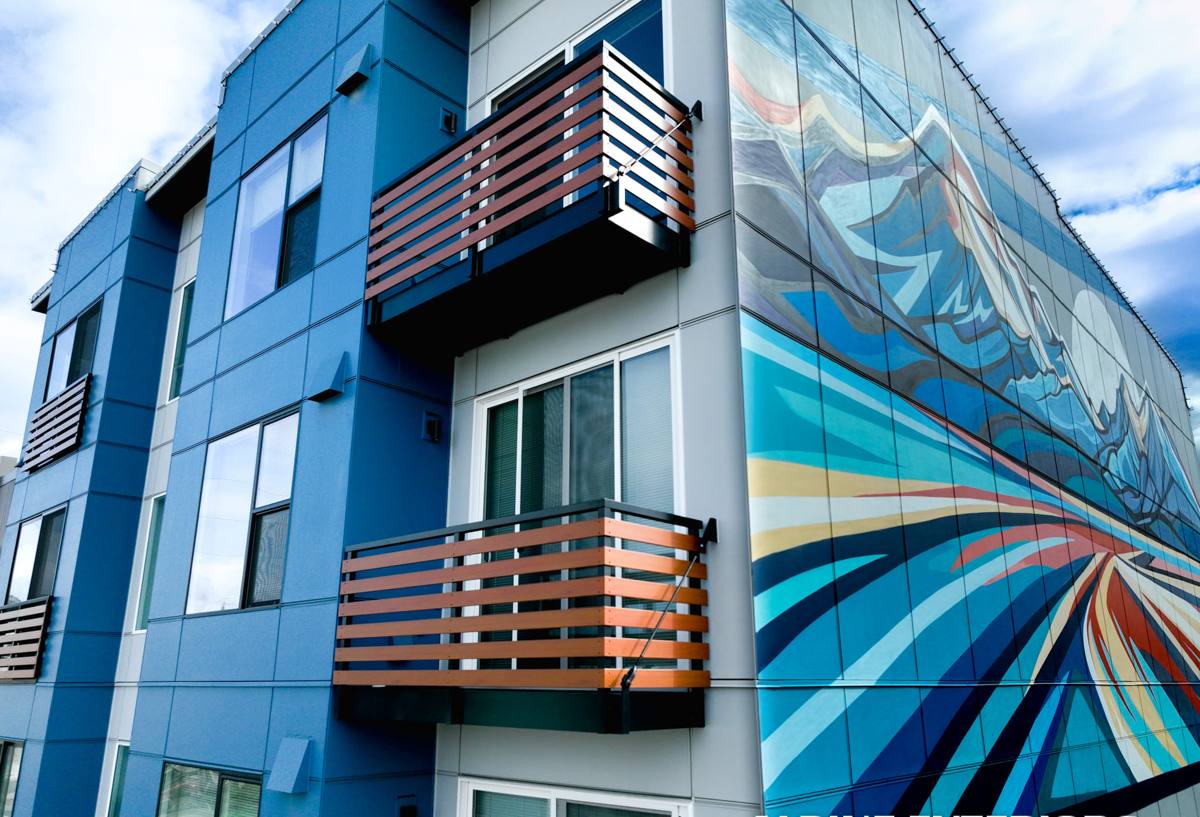
Why We Only Install James Hardie
We get asked why we don't offer vinyl, LP SmartSide, or other fiber cement brands. The honest answer is that we standardized on one product because we got tired of repairing the others. Vinyl expands and contracts with temperature swings and can crack or warp; it's also a petroleum-based product with real limits on fire resistance. Engineered wood products like LP SmartSide perform fine in a lot of climates, but they use wood strand cores that are more sensitive to prolonged moisture exposure — a real concern in a place that sees as much sustained damp as Whatcom County does. Other fiber cement brands exist, and some are reasonable products, but James Hardie's HardieZone system is specifically engineered around regional climate exposure, and their ColorPlus factory finish has the strongest track record we've seen for holding color and resisting the kind of algae and mildew staining that shaded, wet siding is prone to here.
We're not saying every other product is junk. We're saying that after years of doing this work in exactly this climate, Hardie is the one we're willing to put our name behind.
What HZ5 Actually Means
James Hardie engineers its siding by climate zone, and the Pacific Northwest falls into their HZ5 designation — the line built for regions with sustained moisture, freeze-thaw cycles, and moss and mildew pressure. HZ5 panels are formulated and tested for this kind of exposure, not a generic national spec. For a Sumas home, that's the difference between siding that's "rated for outdoor use" in the abstract and siding that was actually engineered for this air, this rain pattern, and this level of shade.
What a Correct James Hardie Installation Involves
Fiber cement siding is only as good as the water management behind it. Hardie's own installation instructions are detailed for a reason — the panels themselves are extremely durable, but a sloppy install can still let water behind the wall assembly, and once that happens, the siding brand stops mattering.
Water Management Comes First
Before a single panel goes up, the wall needs a correctly lapped weather-resistive barrier, properly flashed windows and doors, and drainage planes that give any moisture that does get behind the siding a way out. In a climate with this much driving rain, we treat this step as non-negotiable — it's the part of the job nobody sees once the siding is on, and it's the part that determines whether the wall stays dry for the next 30 years.
Clearances and Fastening
James Hardie specifies minimum clearances from grade, roof lines, decks, and other transitions — typically several inches — specifically so panels aren't sitting in standing water or trapped moisture. Fastener placement, spacing, and depth all matter too; over-driven or under-driven nails compromise the panel's ability to move slightly with temperature changes without cracking the finish.
Joints, Caulking, and Trim
Butt joints, corners, and trim transitions are where a lot of amateur jobs fail first. Hardie's ColorPlus panels come with a factory-matched touch-up system for a reason — proper joint treatment and the right sealants at transitions keep water from tracking behind the panel at the seams, which is usually where moss and staining show up first on a poorly installed job.
What Goes Wrong When It's Installed Wrong
We've replaced enough incorrectly installed siding — some of it Hardie, some of it other brands — to know the failure pattern is almost always the same. It's rarely the panel material itself. It's what was done, or not done, behind and around it.
| Installation Shortcut | What It Causes Over Time |
|---|---|
| Insufficient clearance from grade or decking | Wicking moisture at the bottom edge, paint failure, rot in the underlying wall |
| Missing or poorly lapped flashing at windows | Water intrusion behind the siding, often invisible until interior damage shows up |
| Panels caulked tight with no room to move | Cracked finish at joints, which then traps water and accelerates moss growth |
| Wrong or under-driven fasteners | Panels working loose, visible waviness, entry points for wind-driven rain |
| No rainscreen or drainage gap on a shaded wall | Trapped moisture behind siding, ideal conditions for mold and moss even with quality siding |
Every one of these is preventable. None of them show up on install day — they show up two, five, or ten years later, which is exactly why the installer's process matters as much as the product they're using.
Our Process for a Sumas Project
1. On-Site Assessment
We look at the whole wall assembly, not just the visible siding — existing moisture damage, current flashing condition, shaded and exposed sides of the house, and how the roofline and grading affect water flow. Sumas properties vary in how much sun and wind exposure different walls get, and that changes where we pay closest attention.
2. Tear-Off and Wall Prep
Old siding comes off, and we inspect and repair sheathing as needed before anything new goes up. This is also when we correct any existing flashing or barrier issues rather than siding over a problem.
3. Installation to Hardie Spec
Panels, fasteners, and clearances are installed to James Hardie's published requirements — not shortcuts, not "close enough." This is also what keeps the manufacturer's warranty valid, which some installers skip corners on without homeowners realizing it.
4. Finish Inspection
We walk the job looking specifically for the failure points in the table above — joint treatment, clearances, fastening — before we call it done.
Why a Crew That Already Works This Area Matters
A siding crew that regularly works Sumas and the broader Semiahmoo area has already seen how houses here actually age — which walls take the worst of the weather, where moss shows up first, how driving rain behaves against different roof and eave configurations. That's not something you get from a spec sheet. It shapes small decisions on every job: where extra flashing attention is worth it, which sides of a house need closer joint work, what clearance really needs to look like given local grading habits. An installer who splits time across a wide, unfamiliar territory is making those calls from general training. A local crew is making them from repeated experience with this specific climate.
Cost Factors for a Sumas Hardie Project
Every home is different, but the main variables that move the price on a James Hardie siding job are consistent. We give firm numbers only after an on-site look, but this is what typically drives the estimate:
| Factor | Why It Matters |
|---|---|
| Home size and wall complexity | More corners, dormers, and trim transitions mean more labor and detail work |
| Tear-off scope | Removing and disposing of old siding vs. new construction changes labor time |
| Existing wall condition | Rot or sheathing repair discovered during tear-off adds scope |
| Panel profile and color | Lap width, shingle-style panels, and ColorPlus vs. field-painted options price differently |
| Site access | Tight lots, multi-story walls, or limited staging area affect labor time |
Keeping Hardie Siding Looking Right in This Climate
Correctly installed James Hardie siding is low-maintenance, not zero-maintenance. A few habits go a long way in a moss-prone, salt-air climate:
- Rinse siding annually, especially shaded north-facing and tree-covered walls where moss and algae take hold fastest
- Keep gutters clear so overflow doesn't run down and pool against siding at roof-wall intersections
- Trim back vegetation and tree cover that keeps a wall section damp and shaded longer than the rest of the house
- Check caulking at trim and joints every couple of years and have any cracked sections addressed before winter rain
- Watch for early moss or dark streaking near ground level, which usually points to a clearance or grading issue worth having looked at
Signs a Previous Siding Job Was Done Right
If you're evaluating a home's existing siding, or checking a contractor's past work before hiring, these are the practical tells:
- Consistent, visible gap between the bottom of the siding and grade, decking, or roof lines
- Clean, tight joints with no visible caulk cracking or gapping
- No waviness or panel movement when pressed lightly by hand
- No moss or staining concentrated at joints, corners, or the bottom courses
- Flashing visible and properly lapped above windows, doors, and any trim transitions
If your Sumas home is due for new siding, or you want a second opinion on whether an existing installation was done to spec, we're happy to take a look. Reach out below for a free, no-pressure estimate — we'll walk the house with you and tell you honestly what it needs.