 Semiahmoo Exterior
 Why Ferndale Homes Need a Different Approach to Metal Roofing
Ferndale sits close enough to the water that salt air is a daily fact of life for anything on your roof, not an occasional nuisance. Add Whatcom County's long wet season, driving rain that comes in sideways off storms, and moss that never really stops growing in the shaded, damp spots, and you've got a climate that's genuinely hard on roofing materials. Metal roofing can handle all of that better than most alternatives, but only if it's specified and installed with this specific environment in mind. A metal roof detailed for a dry inland climate is not the same job as one built to survive a Ferndale winter.
We work on homes in this area regularly, and the failures we get called out to fix almost always trace back to the same root causes: the wrong fastener or flashing metal for a salt-air environment, panel seams that weren't sealed for wind-driven rain, or a roof that was never set up to shed moss and needles before they pile up. None of that is a knock on metal roofing as a material — it's a case for doing the install right the first time.
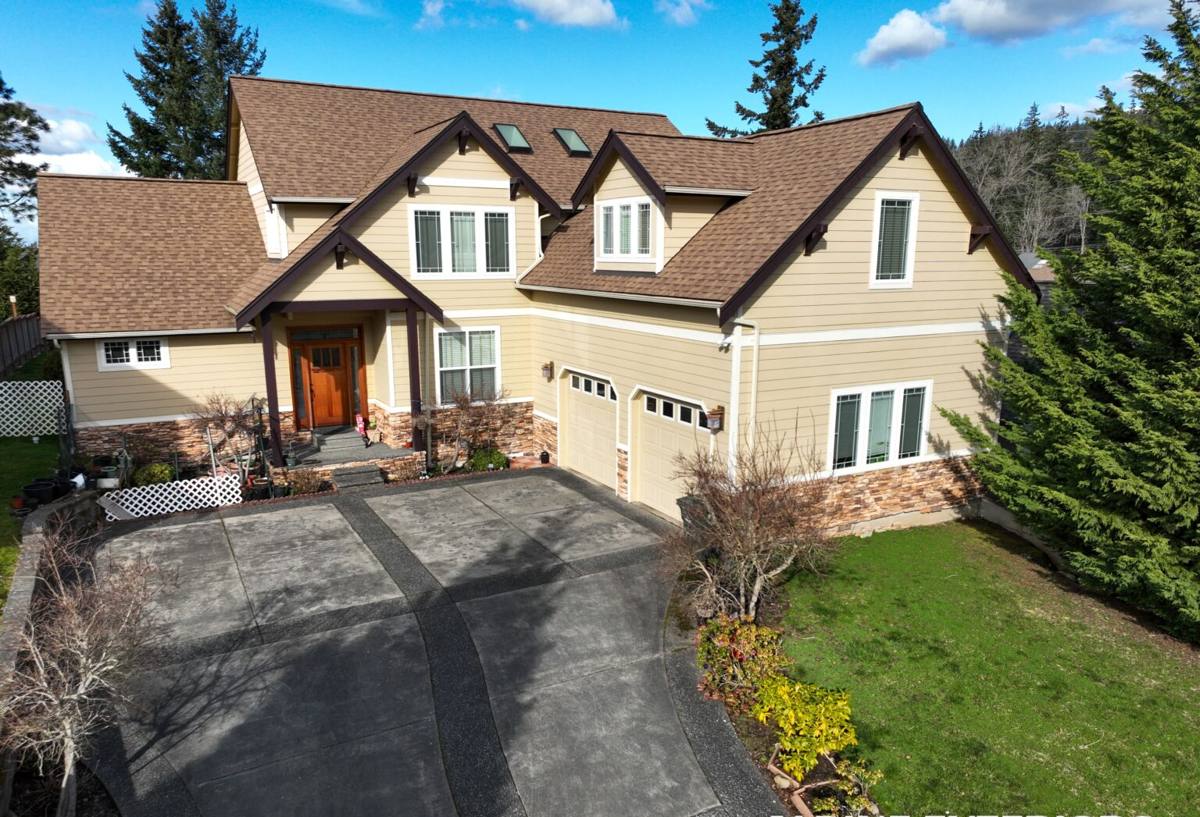
What Salt Air Actually Does to a Roof
Salt-laden air corrodes exposed metal over time, and it doesn't discriminate — it works on fasteners, flashing, panel edges, and any spot where the protective coating has been scratched or compromised during installation. This is the single biggest reason we're particular about material choice and hardware selection on jobs near Semiahmoo Bay and along the coastal side of Ferndale.
Where corrosion starts
- Cut edges and drilled holes where bare metal is exposed
- Fasteners that don't match the panel's coating chemistry
- Dissimilar metals in contact with each other (galvanic corrosion)
- Scratches from foot traffic or careless handling during install
- Flashing and trim pieces that were treated as an afterthought
Good practice here isn't complicated, but it does require attention: matched fastener systems, factory-sealed cut edges where possible, and flashing metal chosen to be compatible with the panel material rather than whatever happens to be on the truck.
Driving Rain and Wind-Driven Water Intrusion
Whatcom County storms don't always drop rain straight down — a lot of it comes in at an angle, and that changes what "watertight" actually requires. A roof that would shed a gentle vertical rain just fine can still leak under wind-driven conditions if the seams, laps, and penetrations aren't detailed for it.
The parts of a metal roof most exposed to this failure mode are valleys, ridge caps, and any place a pipe, vent, or chimney passes through the roof plane. We pay particular attention to underlayment choice and lap direction, seam sealant at panel overlaps, and proper ridge and valley flashing with enough overlap to handle sideways rain rather than the bare minimum.
Moss, Debris, and Ferndale's Tree Cover
Ferndale's mix of tree cover and consistently damp conditions makes moss and algae growth a near-guarantee on any roof that isn't actively designed to discourage it. Moss holds moisture against the roof surface, which accelerates coating breakdown and can work its way into seams over time. It also traps needles and debris, which compounds the problem.
What actually reduces moss buildup on a metal roof
- Steeper roof pitches shed water and debris faster, giving moss less time to establish
- Smooth panel profiles give moss spores fewer places to grip compared to rougher-textured products
- Keeping overhanging branches trimmed back reduces both shade and debris load
- Periodic gentle rinsing (never pressure washing, which can damage coatings) keeps growth from taking hold
- Proper gutter and downspout function prevents standing water at the eaves
Metal roofing already has an advantage over shingles here because it doesn't have the granular, porous surface that moss loves to root into. But that advantage only holds if the roof is installed with good drainage and the homeowner keeps up with basic seasonal maintenance.
What Correct Installation Looks Like
A metal roof is only as good as its weakest detail. The panels themselves are rarely where problems start — it's the transitions, penetrations, and edges that determine whether a roof performs for decades or starts causing trouble within a few years.
| Detail | Why it matters in this climate |
|---|---|
| Underlayment | A high-quality synthetic or self-adhered underlayment gives you a backup water barrier under a climate with sustained wet seasons |
| Fastener matching | Prevents galvanic corrosion in salt-influenced air near the coast |
| Panel seam sealing | Stops wind-driven rain from working its way under laps during storms |
| Valley and ridge flashing | Handles the heaviest concentrated water flow points on the roof |
| Ventilation | Reduces condensation buildup under the panels in a consistently humid climate |
| Edge and drip detailing | Directs water away from fascia and siding instead of behind it |
None of these are optional extras — they're the difference between a metal roof that earns its reputation for longevity and one that underperforms despite using the same panel material.
Choosing the Right Metal Roofing System for This Area
Not every metal roofing product is a good match for a coastal Whatcom County climate. Panel gauge, coating type, and profile all affect how a roof holds up against salt exposure and constant moisture.
Factors we weigh for Ferndale homes
- Coating quality: A robust factory finish resists both UV fading and corrosion better than lighter-duty coatings, which matters more here than in a dry inland climate
- Panel gauge: Heavier gauge panels resist denting from wind-blown debris and handle fastener load better over time
- Seam type: Standing seam profiles generally offer better water-shedding performance in driving rain than exposed-fastener panels, though exposed-fastener systems have their place on certain budgets and roof types
- Color and finish: Darker colors show water spotting and mineral deposits from salt air less than some light finishes, which is a practical consideration, not just an aesthetic one
We don't push one system on every roof. The right choice depends on your roof's pitch, exposure to prevailing wind and rain direction, and how close the home sits to the water. We'll walk through the real trade-offs with you rather than defaulting to whatever's easiest to install.
Our Process for a Ferndale Metal Roof
- On-site assessment: We look at your roof's pitch, exposure, existing decking condition, and any current problem areas — moss buildup, soft spots, or flashing issues from a prior install
- System recommendation: Based on that assessment, we recommend a panel profile, gauge, and coating suited to your specific exposure, not a one-size-fits-all package
- Tear-off and deck inspection: If you're replacing an existing roof, we check the decking underneath for moisture damage before anything new goes down — covering up a compromised deck is how good materials end up failing early
- Underlayment and flashing installation: This is where most of the long-term performance is decided, and we don't rush it
- Panel installation: Installed with matched, corrosion-resistant fasteners and proper seam sealing throughout
- Final walkthrough: We review the completed roof with you, including what basic maintenance (if any) it'll need going forward
Why It Matters That We Already Work in Ferndale
A crew that only occasionally works this far north can miss things that are obvious to anyone who's dealt with this coastline repeatedly — how aggressively salt air corrodes unprotected hardware here, which roof orientations catch the worst of the driving rain, and how fast moss can take hold on a north-facing slope shaded by trees. Those are lessons learned from doing the work in this specific area, not from a general roofing manual.
Working locally in Semiahmoo and Whatcom County also means we're realistic about timelines around the wettest months and can plan installs around weather windows instead of rushing a job into a storm system. That matters more for metal roofing than a lot of other exterior work, since a roof mid-installation is vulnerable to water intrusion until it's fully sealed.
What a Metal Roof Costs — and What Drives the Range
Metal roofing costs more upfront than asphalt shingles, but the calculation homeowners actually care about is lifetime cost and how often you're dealing with repairs or replacement. Several factors move the price on any given roof, and it's worth understanding them before you get quotes.
| Factor | How it affects cost |
|---|---|
| Panel profile | Standing seam systems generally cost more than exposed-fastener panels due to material and labor |
| Roof complexity | More valleys, dormers, and penetrations mean more flashing work and labor time |
| Existing roof condition | Deck repairs found during tear-off add cost but prevent bigger problems later |
| Coating and gauge upgrades | Heavier gauge and premium coatings cost more but pay off in a high-corrosion coastal environment |
| Roof accessibility | Steep pitches or difficult access can increase labor cost |
We'll give you a clear, itemized quote so you know exactly what you're paying for and why — no vague lump sums.
Get a Straightforward Estimate
If you're weighing a metal roof for a Ferndale home, we're happy to take a look and give you an honest read on what your roof actually needs — not a generic pitch. Reach out for a free, no-pressure estimate using the form below.