 Semiahmoo Exterior
 Roofing for Homes Along Drayton Harbor
Drayton Harbor sits between Semiahmoo and Blaine in Whatcom County, and homes built along its shoreline and tidal flats deal with a roofing environment that's harder on materials than most inland properties in the county ever see. Salt-laden air moves off the harbor daily, wind-driven rain arrives sideways more often than it falls straight down, and shaded, moisture-holding rooflines can carry moss for most of the year. An asphalt shingle roof can perform very well here — it's still one of the most practical, cost-effective roofing systems available — but only when it's specified and installed with this specific exposure in mind rather than treated like a standard inland job.
This page covers what asphalt shingle roofing actually needs to hold up along Drayton Harbor: the shingle characteristics that matter most, what correct installation looks like in this climate, and how we approach the work on harbor-area homes specifically.
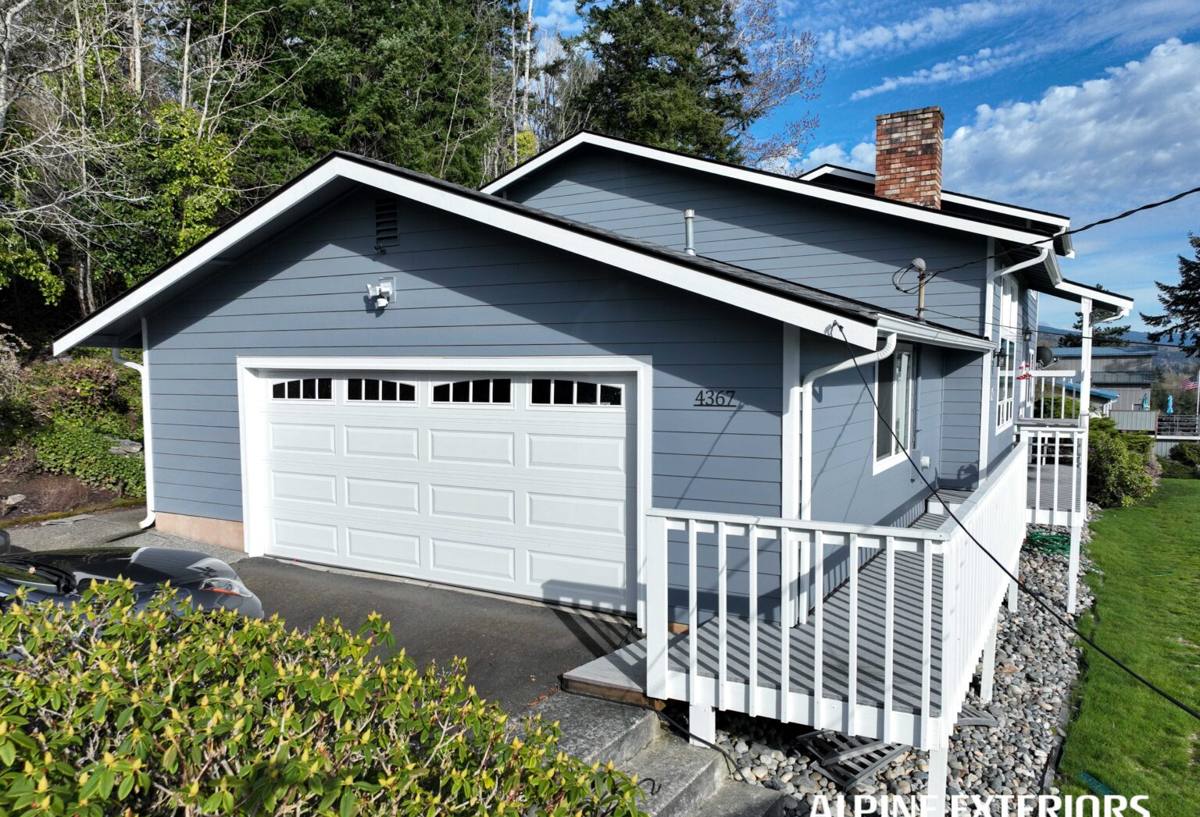
What This Climate Does to an Asphalt Shingle Roof
Salt Air Off the Harbor
Homes facing Drayton Harbor take in salt-laden air on a near-constant basis, and that air doesn't stop at the shingles — it works on every exposed metal component of the roof system. Nail heads, flashing, drip edge, and vent housings all corrode faster in this kind of coastal exposure than they would a few miles inland. A shingle roof is only as durable as its weakest hardware, so fastener and flashing material selection matters as much here as the shingle itself.
Driving Rain and Wind
Harbor-area lots don't always have the shelter of dense tree cover or higher terrain, and wind off the water can push rain into roof-to-wall transitions, valleys, and eave edges with real force. That kind of wind-driven rain finds gaps that would never be a problem in calmer conditions — a slightly under-lapped shingle course or a flashing detail that's "close enough" inland can leak here. Wind uplift is also a factor on more exposed roof planes, which is why shingle wind rating and correct fastening pattern both matter more along the harbor than they would on a sheltered inland roof.
A Long Moss Season
Mild temperatures, high humidity, and shaded north-facing slopes add up to a moss season that runs most of the year across Whatcom County, and harbor-adjacent properties with mature trees or tight lot spacing tend to see it worst. Moss holds moisture directly against the shingle surface and can work its way under shingle edges over time, which shortens the roof's effective life if it isn't addressed. A roof built and maintained with moss in mind will simply outlast one that isn't.
Choosing the Right Asphalt Shingle for This Exposure
Not every asphalt shingle product is built the same way, and the differences matter more in a harbor-side climate than they would somewhere drier and calmer. We look at wind rating, algae resistance, and how forgiving the product is of imperfect field conditions like a slightly damp deck on a wet install day.
| Shingle Type | Typical Wind Rating | Algae / Moss Resistance | Fit for Drayton Harbor |
|---|---|---|---|
| Standard 3-tab | Lower end of the range | None unless specified | Budget option; shorter service life in this exposure |
| Architectural / laminate | Mid to upper range | Often available with algae-resistant granules | Solid default for most harbor-area homes |
| Impact-rated / high-wind laminate | Highest rated for asphalt shingles | Typically includes algae-resistant granules | Best fit for the most exposed lots and rooflines |
Algae-resistant shingles use copper or zinc granules blended into the surface, which slows the growth that causes the dark streaking and moss buildup common on shaded, humid rooflines. It's not a permanent immunity — heavy shade and standing debris can still support moss growth over time — but it's a meaningful head start on a roof that's going to spend most of the year in damp conditions.
What a Correct Installation Includes
The shingle itself is only part of the system. On a harbor-exposed roof, the details underneath and around the shingles are what actually determine whether the roof stays watertight through wind-driven rain and a long wet season.
- Ice-and-water shield membrane at eaves, valleys, and roof-to-wall transitions, not just where code minimums require it
- Synthetic underlayment across the full roof deck for a secondary water barrier beneath the shingles
- Corrosion-resistant drip edge and flashing at every penetration, wall transition, chimney, and skylight
- Fastening pattern and nail placement matched to the shingle manufacturer's high-wind installation instructions
- Balanced intake and exhaust ventilation so the roof deck can dry between storms instead of trapping moisture
- Ridge cap shingles matched to the field shingle for consistent wind and water performance at the roof's most exposed line
Any one of these done wrong will eventually show up as a leak or premature wear, and it usually shows up faster along the harbor than it would inland, simply because the roof is under more constant stress.
Our Process for a Drayton Harbor Roofing Project
- On-site assessment: We walk the existing roof and attic where accessible, checking for moss buildup, granule loss, soft decking, flashing condition, and ventilation balance before recommending a scope.
- Written scope and shingle selection: We go over shingle options suited to the specific roof plane and exposure, along with a clear written price and timeline, before any work begins.
- Tear-off and deck inspection: Old roofing comes off down to the deck so we can check for hidden rot or soft spots that a re-roof over existing shingles would hide.
- Underlayment and flashing installation: Ice-and-water membrane, synthetic underlayment, and all flashing go in first, since this layer does most of the actual waterproofing work.
- Shingle installation: Shingles and ridge cap go on following the manufacturer's high-wind fastening spec, not a generic pattern.
- Final walkthrough: We review the completed roof, ventilation, and cleanup with the homeowner before calling the job done.
Keeping a New Roof Performing: Moss and Long-Term Maintenance
A well-installed asphalt shingle roof along Drayton Harbor still needs some ongoing attention given how long the moss season runs here. Keeping gutters and valleys clear of debris, trimming back overhanging branches where possible, and having moss removed gently rather than pressure-washed off are the main things that protect the investment over time. Pressure washing strips granules and shortens shingle life; the correct approach is a soft wash or manual removal that doesn't damage the shingle surface. A quick visual check after major windstorms — looking for lifted shingles or displaced flashing — catches small problems before they become interior water damage.
What Drives the Cost of an Asphalt Shingle Roof Here
| Factor | Why It Matters Along Drayton Harbor |
|---|---|
| Roof pitch and complexity | More valleys, dormers, and roof-to-wall transitions mean more flashing detail work in a climate where flashing quality matters most |
| Shingle class chosen | Higher wind-rated, algae-resistant products cost more up front but hold up better against this exposure |
| Deck condition | Hidden rot from long-term moisture or moss intrusion may need to be repaired before new roofing goes on |
| Ventilation upgrades | Homes with poor existing attic ventilation may need added intake or exhaust to prevent trapped moisture under the new roof |
| Tear-off vs. layover | A full tear-off costs more but is the only way to properly inspect and waterproof the deck underneath |
Every roof is different, so we give exact numbers only after a real look at the roof rather than a rough guess over the phone.
Why Hiring a Crew That Already Works Drayton Harbor Matters
A roofing crew that regularly works the Drayton Harbor and greater Semiahmoo area already knows how salt air, harbor-driven wind, and a long moss season behave differently here than on a typical inland Whatcom County roof. That shows up in the decisions that aren't visible once the job is finished — which fastener grade gets used, how tightly flashing gets lapped at a roof-to-wall transition, where extra membrane goes even when code doesn't strictly require it. Those are the details that decide whether a roof lasts through one or two rough winters or performs for its full expected life.
- Ask what shingle class and wind rating they're proposing, and why it fits this specific roof
- Confirm current Washington contractor licensing and active liability insurance
- Ask how they detail flashing at valleys, walls, and penetrations for wind-driven rain
- Ask whether the quote includes full tear-off and deck inspection or a layover
- Get a written scope of work, including underlayment and ventilation details, before signing anything
If you're weighing a repair, a full replacement, or just want an honest read on how much life is left in your current roof, we're happy to take a look. Reach out below for a free, no-pressure estimate on your Drayton Harbor home.