 Semiahmoo Exterior
 Building Decks That Hold Up Near the Peace Arch
Homes around Peace Arch sit close enough to the water and the border corridor that they take a different kind of weather beating than a deck twenty miles inland. Salt-laden air moves in off Semiahmoo Bay and Drayton Harbor, driving rain comes in sideways for months at a stretch, and the shoulder seasons stay damp enough that moss and algae get a real foothold on any horizontal surface that doesn't shed water well. A deck built without those specifics in mind will look fine the first summer and start showing problems — soft spots, corroded fasteners, slick green film on the boards — within a few wet seasons.
We build custom decks for this specific pocket of Whatcom County knowing what the site conditions actually do to lumber, fasteners, and finishes over time. That's a different design conversation than a generic deck quote, and it changes real decisions: framing material, fastener grade, board spacing, drainage detailing, and where the deck sits relative to prevailing wind and shade.
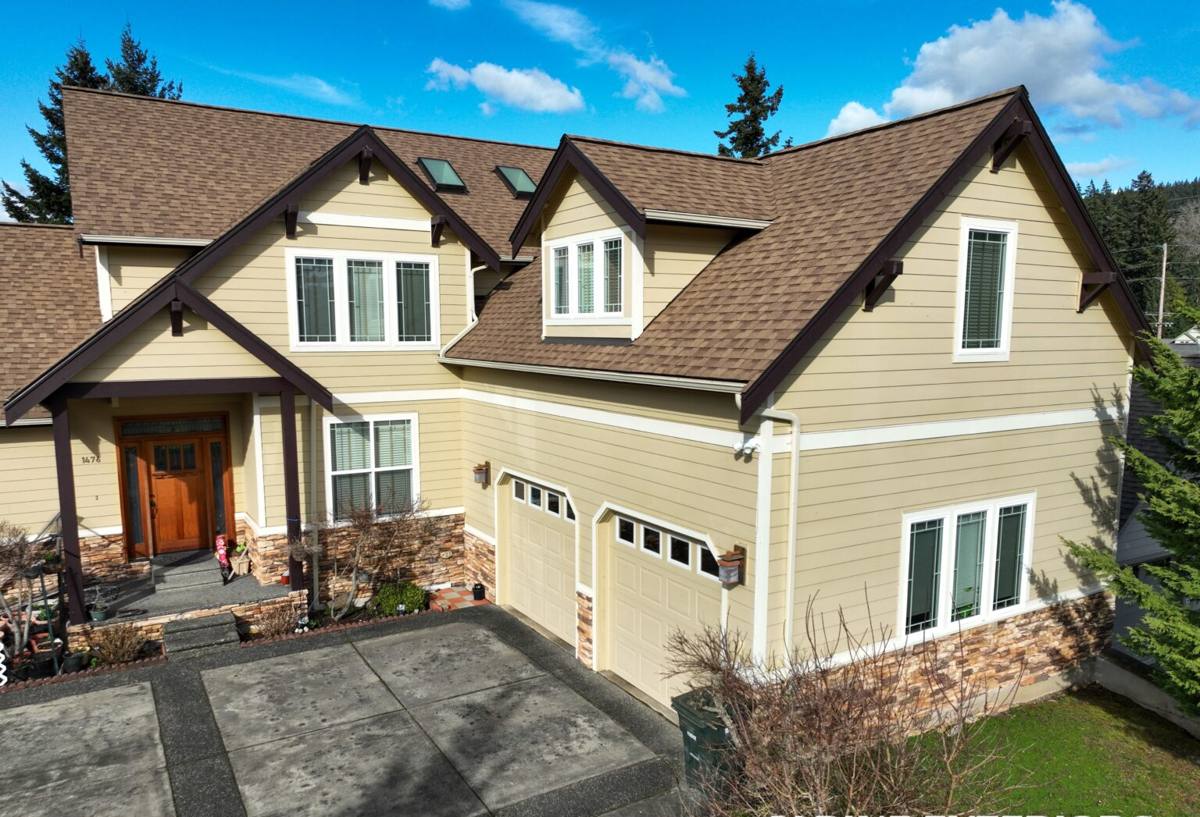
What Peace Arch's Climate Does to an Outdoor Deck
Salt Air and Metal Fatigue
Proximity to Semiahmoo Bay means a steady low-level salt content in the air, even on days that feel clear and dry. Salt accelerates corrosion on anything less than a properly rated fastener or connector — screw heads snap off, joist hangers rust and weaken, and railing hardware pits and stains. This is a slow process, which is exactly why it gets missed: a deck built with standard interior-grade or under-rated exterior hardware can look completely normal for two or three years before connections start failing quietly, out of sight under the decking boards.
Driving Rain and Water Intrusion
Rain here doesn't fall straight down for much of the year — wind off the water pushes it sideways, which means it gets up under rail caps, into end-grain cuts, and behind ledger board flashing that would stay dry in a calmer climate. Any point where a deck attaches to the house, or where a board end is left uncapped, is a place water will find a way in if it isn't detailed correctly.
Moss, Algae, and the Long Wet Season
Whatcom County's wet season runs long, and shaded or north-facing decks may not fully dry out between rain events for weeks at a time. That moisture, combined with organic debris — fir needles, leaf litter — is exactly what moss and algae need to establish. Once established, they hold moisture against the deck surface, which speeds up rot in wood decking and can make composite and even some PVC surfaces dangerously slick.
What a Correctly Built Deck Looks Like Here
None of this means a deck near Peace Arch has to be high-maintenance or short-lived — it means certain details aren't optional. A deck built for this specific site should include:
- Stainless steel or high-grade coated (not just galvanized) fasteners and structural connectors rated for coastal exposure
- Properly flashed ledger board connection to the house, with a drainage gap so water doesn't sit trapped against the siding
- Joist tape or a comparable barrier over framing lumber to slow moisture absorption at the top of every joist
- Board spacing set to allow airflow and drainage, not just tight for looks
- A decking material matched to how much sun vs. shade the specific deck location actually gets
- Railing hardware and post connections rated for the same coastal exposure as the deck fasteners
- A layout that accounts for prevailing wind and drainage slope away from the house
Decking Material Choices for This Site
There isn't one "correct" decking material for every Peace Arch property — it depends on sun exposure, how much upkeep the homeowner wants to do, and budget. Here's how the common options actually perform under local conditions.
| Material | How it handles salt air & rain | Moss/algae resistance | Maintenance |
|---|---|---|---|
| Pressure-treated wood | Good if fasteners and flashing are correct; wood itself needs sealing | Needs regular cleaning and a mildewcide-treated sealer | Annual cleaning, re-sealing every 1-2 years |
| Cedar | Naturally rot-resistant but still needs sealing at this exposure | Moderate — still needs periodic cleaning in shaded areas | Sealing every 1-2 years, more in full shade |
| Composite decking | Very good — doesn't absorb water or corrode | Can develop surface film in constant shade; textured caps help | Periodic washing, no sealing or staining |
| PVC/capped decking | Excellent — fully water-resistant surface | Best resistance, though shaded areas still need occasional washing | Occasional washing only |
For decks that sit in significant shade — common on the north or east side of a lot near mature fir trees — we generally steer homeowners toward composite or PVC decking specifically because the constant dampness in this climate is hard on sealed wood surfaces over time. For decks that get good sun exposure most of the day, a well-maintained wood deck can perform well and gives a different look and feel that some homeowners prefer.
Framing and Structure: Where Most Deck Failures Actually Start
Most deck problems we get called out to inspect aren't decking-surface problems — they're framing and connection problems that were invisible when the deck was built. Ledger board attachment, post footings, and joist hanger condition matter more to a deck's lifespan and safety than the decking material sitting on top of them. In this climate specifically:
- Post bases should keep wood off standing water and allow drainage away from the base, not sit in a depression that collects rain
- Footings need to be sized and set below frost depth and on stable soil — this coastal ground can vary in composition from lot to lot
- Ledger flashing needs to shed water away from the house, not just seal the gap
- Any structural connector exposed to weather should be rated for coastal/high-moisture use, not standard interior galvanized
A deck can look completely finished and still have a framing detail that will cause problems in five or ten years. This is the part of the job that matters most and shows the least — which is exactly why it's worth having someone build it who already understands the exposure this area gets.
Our Process for a Custom Deck Build
1. Site Visit and Assessment
We look at sun and shade patterns through the day, drainage slope, proximity to the water and prevailing wind direction, existing structure condition if this is a rebuild, and any access constraints for the build itself.
2. Design and Material Conversation
We talk through decking material, railing style, size, and layout based on how the space will actually be used — and we'll tell you honestly if a material choice is a poor fit for where the deck will sit, rather than sell whatever has the best margin.
3. Permitting
Deck permitting requirements vary by jurisdiction and by deck height, size, and attachment to the structure. We handle the permit process as part of the build so the finished deck is code-compliant and won't create problems at resale or insurance time.
4. Demolition (Rebuilds Only)
For deck replacements, we remove the old structure and inspect the ledger connection and any framing that will be reused or that the new deck will tie into.
5. Framing and Structural Work
This is where the coastal-rated fasteners, proper flashing, and correct footing depth get built in — the part of the job that determines how the deck performs in year eight, not just year one.
6. Decking, Railing, and Finish Work
Surface material goes down with the spacing and drainage detailing appropriate to the site, followed by railing installation and any finish work like fascia or skirting.
7. Final Walkthrough
We walk the finished deck with the homeowner, cover basic maintenance specific to the material chosen, and make sure everything meets the agreed design before calling the job complete.
Why Local Deck-Building Experience Matters Here
A contractor who mostly builds inland, or who treats every deck the same regardless of site, is more likely to under-spec fasteners, skip drainage detailing that doesn't matter in a drier climate, or recommend a decking material that struggles in constant shade and salt air. None of those choices show up as a problem on installation day — they show up two, five, or eight years later as soft framing, corroded hardware, or a slick, moss-covered surface.
Working regularly in and around Semiahmoo and the Peace Arch area means we're not guessing at how this specific exposure behaves — we've seen what holds up and what doesn't, and we build to that standard by default rather than as an upsell.
Maintaining a Deck in This Climate
Whatever material you choose, a few habits go a long way in this environment:
- Sweep debris (needles, leaves) off the deck regularly, especially in shaded areas, so moisture and organic matter don't sit on the surface
- Wash the deck surface at least once or twice a year to interrupt moss and algae growth before it establishes
- Check railing connections and any visible fasteners annually for corrosion, particularly on decks with a direct water view
- Reseal wood decking on the schedule appropriate to its exposure — shaded wood surfaces typically need it more often than sun-exposed ones
- Keep gutters and downspouts near the deck clear so runoff isn't draining directly onto or under the structure
Get a Straightforward Estimate
If you're planning a new deck or replacing one that's showing its age near Peace Arch, we're happy to come take a look and walk through what your specific site needs — no pressure, no generic quote pulled from a price list. Fill out the form below for a free estimate.