 Semiahmoo Exterior
 Building a Deck That Can Actually Handle Marietta
Marietta sits low along Drayton Harbor, just off Semiahmoo Bay, and that waterfront location shapes everything about how a deck should be built here. Homes in this part of Whatcom County deal with salt-laden air coming off the water, long stretches of driving rain through fall and winter, and a moss and algae season that can run most of the year on any surface that doesn't get direct sun. A deck built with generic, one-size-fits-all methods will often look fine for the first year or two and then start showing problems — soft spots, corroded hardware, slick green surfaces, gaps opening up between boards. A deck built correctly for this specific location holds up for decades instead.
This page is about custom deck building specifically for Marietta homeowners — what the local climate demands, what a correctly built deck actually involves underneath the surface, and how our process works from first conversation to finished project.
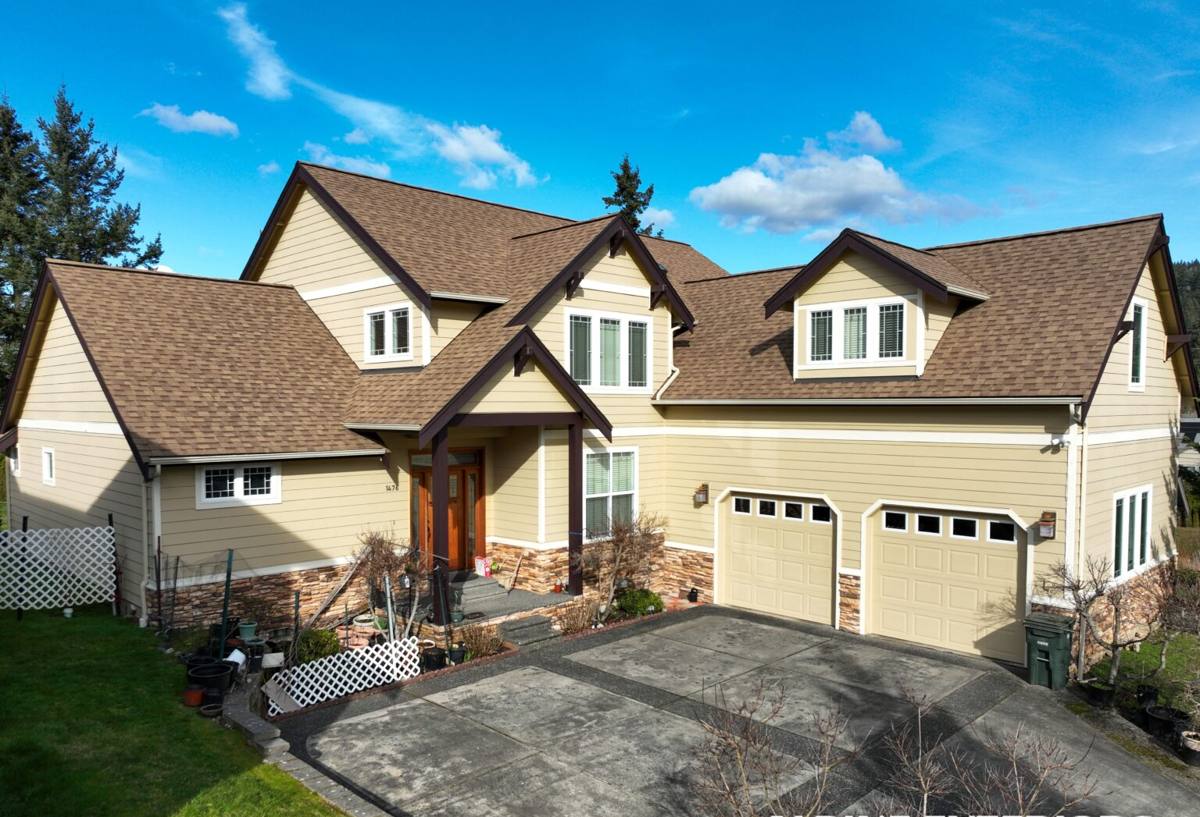
What Salt Air, Rain, and Moss Actually Do to a Deck
Each of these three factors attacks a deck in a different way, and a deck near Semiahmoo Bay deals with all three at once.
Salt Air
Airborne salt accelerates corrosion in metal fasteners, brackets, and connectors. On a deck built with standard hardware, that shows up as rust streaks bleeding out around nail and screw heads, weakened structural connections at joist hangers, and premature failure of railing hardware — often years before the decking boards themselves show any wear.
Driving Rain
Wind-driven rain gets pushed sideways and upward, not just straight down, which means water finds its way into places a "normal" rain event wouldn't reach — behind ledger boards, under railing posts, into end-grain cuts that weren't sealed. Standing water and trapped moisture are what actually rot a deck; the rain itself is just the delivery method.
Moss and Algae
Shaded, damp surfaces in this climate grow moss and algae readily, and once established it holds moisture against the decking material and becomes genuinely slippery underfoot. Some materials resist this far better than others, and surface texture, drainage, and airflow underneath the deck all affect how fast it comes back after cleaning.
Choosing the Right Decking Material for a Waterfront Property
There isn't one universally "best" decking material — the right choice depends on your budget, how much upkeep you're willing to do, and how close your lot sits to the water and prevailing weather. Here's an honest comparison of the main options we install, specifically as they perform in this climate:
| Material | Moisture / Rot Resistance | Salt Air Performance | Moss / Algae Resistance | Maintenance |
|---|---|---|---|---|
| Pressure-treated wood | Good if properly sealed and maintained | Fair — depends on fastener quality | Fair — needs regular cleaning | Annual sealing/staining recommended |
| Cedar | Naturally decay-resistant, but surface needs upkeep | Good | Fair to good | Periodic oiling/staining to maintain color and protection |
| Composite decking | Very good — won't rot or splinter | Very good | Good — varies by brand and surface texture | Occasional washing, no sealing/staining needed |
| PVC decking | Excellent — fully synthetic, no wood content | Excellent | Very good | Lowest — mainly periodic washing |
Composite and PVC decking cost more upfront but make sense for a lot of Marietta homes simply because they remove the annual sealing/staining cycle that wood needs to hold up against this much moisture. Wood decking isn't wrong for this location — it's a legitimate, lower-cost choice — but it needs an honest commitment to yearly maintenance to actually get the lifespan it's capable of near the water.
The Structure Underneath Matters More Than the Boards on Top
Homeowners naturally focus on decking material because it's what you see and walk on, but the framing underneath is what determines whether a deck lasts 10 years or 30. This is where we see the biggest gap between a deck built correctly for this climate and one that wasn't.
Ledger Board Flashing
Where the deck attaches to the house is the single most common failure point on decks in wet climates. Water that gets behind an improperly flashed ledger board rots the rim joist and the wall framing behind it, often silently, for years before it's visible. Correct flashing detail here isn't optional — it's the difference between a deck that's structurally sound at year 20 and one that needs the house wall opened up for repair.
Fasteners and Hardware
Given the salt air off Semiahmoo Bay, we use stainless steel or marine-grade coated fasteners and connectors rather than standard galvanized hardware. It costs more per piece, but standard hardware corroding at joist hangers and structural brackets is one of the more common and preventable deck problems we see in coastal Whatcom County.
Footings and Ground Conditions
Low-lying, waterfront-adjacent lots often have soil conditions — drainage, water table, soil bearing capacity — that differ from inland properties. Footings need to be sized and set to the actual soil conditions on your lot and to the frost depth required by Whatcom County code, not just poured to a generic minimum.
Airflow and Drainage Underneath
Low decks with poor ventilation underneath trap moisture against the framing and encourage rot and moss growth on the underside of the boards. Where deck height allows, we build in drainage and airflow paths so the structure can actually dry out between rain events instead of staying damp for weeks at a time.
Railings, Stairs, and Code Requirements
Beyond looking right, railings and stairs are safety systems and they're inspected against Washington state building code and local Whatcom County requirements. Guardrail height, baluster spacing, and stair rise/run all have code minimums, and on a waterfront property railing hardware is exposed to the same salt air as everything else — so hardware choice matters here too, not just on the deck surface itself. We build railing systems to hold up structurally and to pass inspection the first time.
Our Custom Deck Process
Every deck we build in Marietta follows the same general process, adjusted to your specific lot and home:
- On-site assessment — we look at your lot's exposure, existing structure (if replacing a deck), soil conditions, and how the space will actually be used.
- Design and material selection — we walk through decking and railing options honestly, including cost, maintenance, and how each performs in this specific climate.
- Permitting — we handle the Whatcom County permit process for the project so it's built and inspected correctly.
- Framing and structural work — ledger attachment and flashing, footings, joists, and fastener selection all done to hold up against salt air and moisture long-term.
- Decking, railing, and finish work — installed to manufacturer specifications so warranties stay valid.
- Final walkthrough — we go over basic care and what to expect from your specific decking material through the wet season.
What a Correctly Built Deck Includes
If you're comparing quotes or evaluating an existing deck, this is a practical checklist of what should be in place on a deck built for this location:
- Properly flashed ledger board connection, not just lag-bolted directly to the siding
- Stainless steel or marine-grade coated structural fasteners and joist hardware
- Footings sized to local soil conditions and set to required frost depth
- Joist tape or equivalent moisture barrier on top of framing members
- Adequate drainage and airflow path underneath the deck structure
- Decking material installed per manufacturer spacing and fastening specs (for warranty coverage)
- Railing and guardrail systems meeting current code height and spacing requirements
- Stair stringers and treads built to code rise/run tolerances
- Permit pulled and final inspection passed
Keeping Your Deck Looking Good Through the Wet Season
Even a well-built deck needs some seasonal attention in this climate. Wood decking benefits from a yearly cleaning and re-sealing before the fall rains set in. Composite and PVC decking need far less — mainly a periodic wash to clear off pollen, debris, and the start of any moss growth before it gets established. Keeping gutters and downspouts clear of the deck area, and keeping planters and furniture from sitting directly on the surface for months at a time, both go a long way toward preventing the trapped moisture that causes most of the problems we get called out for.
Why a Crew That Already Works in Marietta Makes a Difference
A contractor who builds decks across a wide region tends to default to generic methods that work "well enough" almost everywhere. A crew that regularly works this specific stretch of Whatcom County — the ground conditions near Drayton Harbor, the fastener corrosion issues that show up on salt-exposed hardware, how fast moss actually comes back on a shaded north-facing deck here — builds differently from the start, because we've already seen what fails and why. That's not a marketing line; it's the practical result of doing this work repeatedly in one place instead of everywhere.
If you're planning a new deck or replacing one that's showing its age, we're happy to come take a look and talk through honest options for your property. There's a free, no-pressure estimate form below — reach out and we'll go from there.