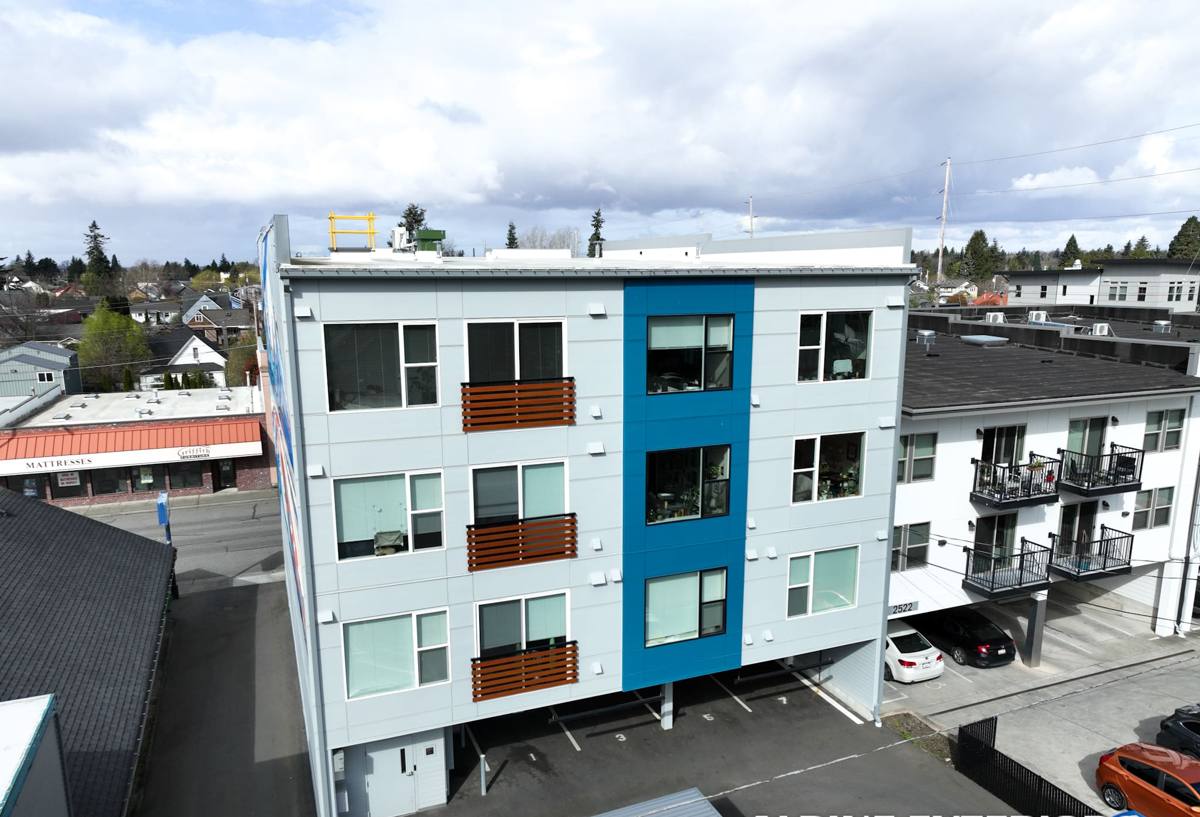
 Semiahmoo Exterior
 Why Blaine Windows Wear Differently Than Windows Inland
A window installed in Blaine has a harder job than the same window installed twenty miles inland. This stretch of Whatcom County sits right where marine air off the Salish Sea meets a wet, mossy, wind-exposed piece of Washington coastline. The Semiahmoo area in particular gets a steady dose of salt-laden air, driving rain that comes in sideways off the water, and a moss season that can run half the year. None of that shows up in a manufacturer's brochure, but it shows up on your windows within a few winters if the product and the installation weren't chosen with this climate in mind.
This page is about one job, done right, in one place: energy-efficient window replacement for homes in and around Blaine. Not a general window overview — the specific decisions that matter here.
What "Energy-Efficient" Actually Means for a Blaine Home
Energy efficiency isn't a single feature you buy — it's a combination of glass, frame, and installation working together. In a marine climate like this, the priorities shift slightly from what you'd optimize for in a drier, less humid region.
Glass Packages
Double-pane windows with a low-E coating and argon gas fill are the baseline for anything worth installing today. In Blaine's climate, the low-E coating matters as much for cutting summer glare and heat gain off the water as it does for winter heat retention — homes with a water view or west-facing glass get a lot of low-angle sun bouncing off Semiahmoo Bay. Triple-pane glass adds real value on north- and west-facing walls that take the brunt of wind and rain, but it's not always worth the added cost on sheltered elevations.
Frame Material
Frame choice matters more here than in a dry climate because the frame is what deals with constant moisture cycling — wet, dry, wet again — plus salt exposure. Vinyl, fiberglass, and wood-clad frames each behave differently under those conditions, which we get into below.
The Three Local Climate Factors That Change the Job
Salt Air
Proximity to Semiahmoo Bay and the broader Puget Sound coastline means airborne salt is a real factor on window hardware, screens, and metal components — not just on cars and railings. Cheaper mill-finish aluminum hardware and unprotected fasteners corrode faster here than they would inland. We spec corrosion-resistant hardware and fasteners as standard, not an upgrade, for anything installed within a few miles of the water.
Driving Rain
Wind off the water doesn't just bring rain — it drives it sideways and forces it upward under trim and flashing that would keep water out in a calmer climate. This is the single biggest reason window replacements fail early in this area: not bad glass, but water finding its way behind poorly flashed trim during a windstorm. Flashing detail and sealant work matter more here than the window brand.
Moss Season
A long, wet moss season means anything horizontal or shaded stays damp longer — sills, brick mold, and the wood trim around older window openings. Moss and algae hold moisture against wood and paint, which accelerates rot at exactly the spots where a window frame meets the house. Any correct window job here has to address what's happening to the opening itself, not just the window unit going into it.
Signs Your Current Windows Are Costing You Money
Most homeowners don't replace windows because they woke up wanting new windows — they replace them because something got expensive or uncomfortable. Here's what we typically hear about before a Blaine homeowner calls:
- Condensation building up between the panes (a sign the seal has failed and the insulating gas is gone)
- Cold drafts near the frame even when the window is fully closed and latched
- Visible fogging or a cloudy look to the glass that doesn't wipe away
- Soft or discolored wood trim around the window opening, especially on north or west walls
- Windows that are difficult to open, close, or latch — often a sign the frame has swollen or shifted
- A noticeably higher heating bill in a room compared to the rest of the house
- Visible corrosion or pitting on window hardware, latches, or screen frames
Any one of these on its own isn't an emergency. Several together, especially on the same elevation, usually means the window and the moisture management around it have both been compromised.
What a Correct Installation Actually Involves
The window unit itself is maybe a third of what determines how it performs over the next twenty years. The rest is in the details most homeowners never see:
Opening Prep
Before a new window goes in, the opening gets inspected for rot, soft wood, or existing water damage. Installing a new energy-efficient window into a compromised opening just hides a moisture problem behind new trim — it doesn't fix it.
Flashing and Water Management
Proper flashing directs any water that gets past the exterior trim back out, rather than letting it pool against the frame. Given how much wind-driven rain this area sees, this step gets more attention here than it would on a calmer inland job.
Air Sealing
Low-expansion foam and backer rod around the frame perimeter close the small gaps that account for a surprising share of a home's total air leakage. This is also where a lot of the "draft near the window" complaints actually originate — not from the glass, but from the gap around it.
Interior and Exterior Trim
Trim gets reinstalled or replaced with attention to keeping wood off direct moisture exposure where possible, since that's the detail moss season punishes first.
Frame Material Comparison for Coastal Whatcom County
| Frame Material | How It Handles Salt Air & Moisture | Maintenance | Typical Fit |
|---|---|---|---|
| Vinyl | Won't corrode or rot; performs consistently in humid, salty air | Low — occasional cleaning | Best value for most Blaine homes |
| Fiberglass | Very stable in temperature swings and moisture; strong resistance to warping | Low | Good for larger openings or homes with more direct wind/rain exposure |
| Wood-clad | Attractive interior look, but the exterior cladding and any exposed wood need real diligence in a wet, salty climate | Higher — regular inspection and upkeep | Best when appearance matters more than lowest maintenance |
| Aluminum | Conducts cold and is prone to corrosion near salt air unless heavily treated | Moderate to high | Rarely our first recommendation this close to the water |
We don't push one material on every job. The right call depends on the elevation, how exposed that wall is to wind and rain, and what the homeowner wants to maintain over time.
How Our Process Works
- Free on-site estimate — we look at the actual openings, not just the windows, and check for existing moisture or rot issues before quoting anything.
- Honest recommendation — we'll tell you which openings genuinely need triple-pane or upgraded frame material versus where a standard double-pane package is the smarter spend.
- Scheduled installation — timed with an eye on Whatcom County's wet season so openings aren't left exposed longer than necessary.
- Careful removal and opening inspection — any rot or damage found gets addressed before the new window goes in, not papered over.
- Installation with full flashing and air-sealing detail — the steps that actually determine whether the window performs in this climate.
- Final walkthrough — we check operation, seals, and trim with you before we consider the job done.
Why a Crew That Already Works Blaine Matters
A contractor who works Semiahmoo and greater Blaine regularly already knows which elevations take the worst of the wind-driven rain, how fast moss reclaims a shaded sill, and which hardware holds up against salt air instead of pitting in two winters. That's not something you can fully get from a one-time out-of-town crew, no matter how good the window brand is. It also means warranty service and follow-up questions don't involve a long drive for either of us — we're already in the area.
What Affects Cost
Every home is different, so we won't quote a number without seeing the openings, but the main cost drivers on a Blaine window job are:
| Factor | Why It Matters |
|---|---|
| Number and size of openings | More and larger windows means more material and labor |
| Glass package (double vs. triple-pane) | Triple-pane costs more upfront but pays off on exposed elevations |
| Frame material | Vinyl is typically the most budget-friendly; fiberglass and wood-clad cost more |
| Condition of the existing opening | Rot or water damage found during removal adds repair work before the new window goes in |
| Access and elevation | Second-story or hard-to-reach windows take more time and equipment |
If your Blaine or Semiahmoo home has windows that fog, draft, or stick, or trim that's staying damp longer than it should, we're happy to take a look. The estimate is free, there's no pressure, and you'll get a straight answer about what actually needs doing — use the form below to get started.