 Semiahmoo Exterior
 Building Decks for Wiser Lake the Right Way
Wiser Lake sits in a part of Whatcom County where wood structures work harder than they do almost anywhere else in the state. Between lake-side humidity, the moisture-laden marine air that moves in off the Semiahmoo coastline, and a rainy season that can stretch from October well into spring, an outdoor deck here is under near-constant load from water and organic growth. A deck built to a generic spec sheet — the kind that works fine in a dry inland climate — will often show its age within a few years at Wiser Lake: soft spots at the ledger, black streaking on the boards, moss creeping into every shaded gap. A deck built for this specific climate holds up for decades instead.
This page is about exactly that: what a Wiser Lake deck needs structurally and materially, what our process looks like from first visit to final walkthrough, and why hiring a crew that already works in this area — instead of a general contractor passing through — makes a real difference in how the deck performs ten and twenty years out.
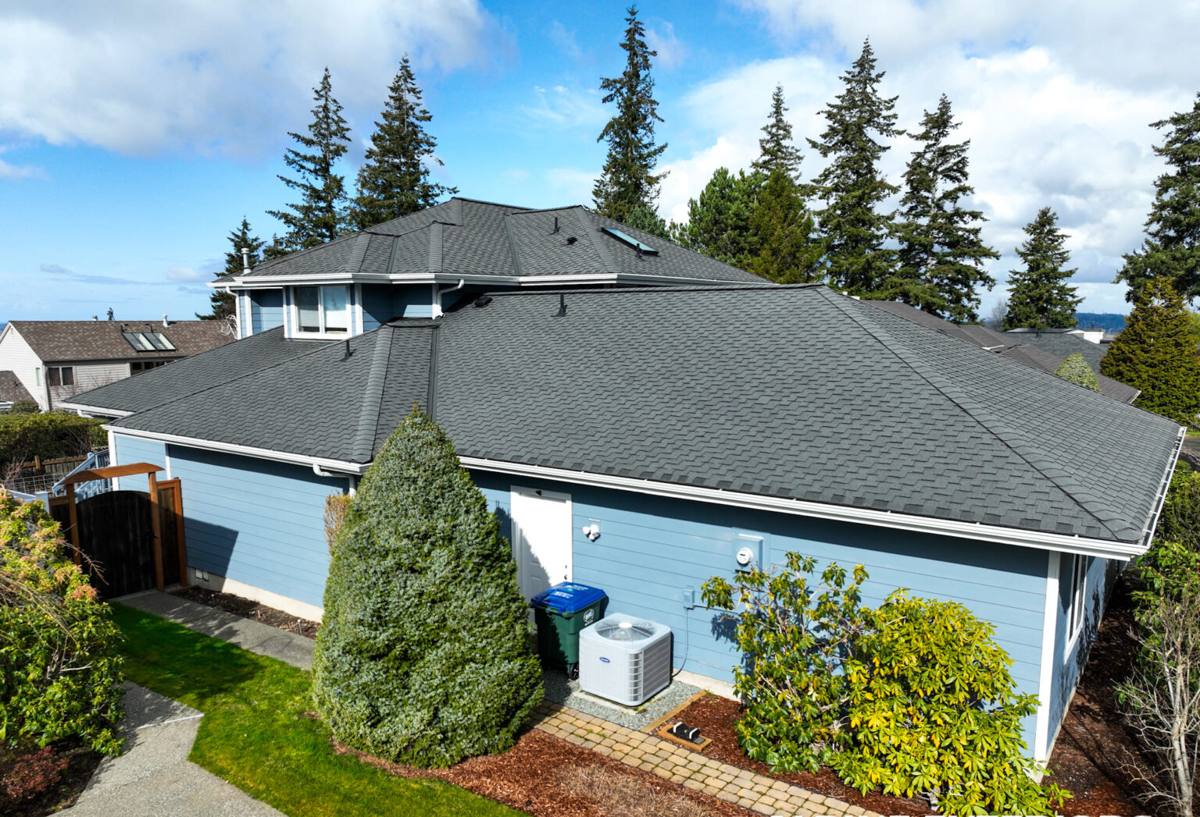
What Wiser Lake Homes Actually Need From a Deck
Most of the deck failures we get called out to inspect in this area trace back to the same handful of causes, and they're almost all moisture-related rather than age-related. A deck doesn't fail because it's old — it fails because water had somewhere to sit that it shouldn't have.
Ground and Site Conditions
Properties near the lake and in the surrounding tree cover tend to have shadier yards, damper soil, and slower air movement underneath low decks than an open, sunny lot would. That means footings and framing need more attention to ventilation and ground clearance than a standard build in a drier part of the county, and it means post bases and hardware need corrosion resistance that some builders skip to save a few dollars.
Shade and Slow Drying
Mature trees are part of what makes this area attractive, but they also mean decks stay wet longer after every rain. Boards that don't get direct sun for most of the day take much longer to dry out between storms, which is exactly the condition moss and algae need to take hold. Board spacing, orientation, and material choice all matter more here than they would on an open, south-facing deck elsewhere in the county.
Framing and Foundation: Where Deck Failures Actually Start
The decking boards are what everyone notices, but the framing underneath is what determines whether a deck is safe and whether it lasts. In a climate like this one, we treat the substructure as the part of the job that can't be shortcut.
- Footings sized for wet, sometimes soft ground — not just poured to minimum code depth, but sized and placed based on what we actually find when we dig, which varies a lot around a lake environment.
- Galvanized or stainless hardware throughout — joist hangers, post bases, and fasteners rated for ground contact and long-term moisture exposure, not standard interior-grade hardware.
- Proper ledger board flashing where the deck attaches to the house — this single detail is responsible for more hidden rot damage than almost anything else we find on older decks, because water gets behind the ledger and into the house framing where nobody sees it until there's a real problem.
- Joist spacing set for the decking material — composite and PVC boards often need tighter joist spacing than solid wood to perform correctly over time, and this is one of the most common shortcuts we see on decks built by out-of-area crews unfamiliar with the product they installed.
Choosing the Right Decking Material for This Climate
There's no single "best" decking material — there's a best material for a given yard, budget, and how much upkeep the homeowner actually wants to do. What we won't do is install a product in a shaded, damp yard near the lake without being upfront about how it will perform there.
| Material | Moisture & Moss Behavior | Maintenance | Typical Lifespan |
|---|---|---|---|
| Pressure-treated wood | Absorbs and releases moisture; needs sealing to resist moss and graying | Annual cleaning and re-sealing recommended in shaded, damp yards | 10–15 years with upkeep |
| Cedar | Naturally more rot-resistant than treated pine, but still an organic surface moss can colonize in shade | Periodic cleaning and oil/stain to hold color and resist growth | 15–20 years with upkeep |
| Composite | Doesn't absorb water like wood, but surface moss and algae can still grow on damp, shaded boards | Occasional washing; no sealing or staining required | 25–30 years, varies by brand and installation |
| PVC / capped polymer | Fully moisture-resistant surface; best resistance to staining and moss buildup in shaded yards | Lowest maintenance of the group; occasional washing | 25–30+ years |
For a shaded, lake-adjacent yard specifically, we lean toward composite or PVC decking when budget allows, simply because they take moisture out of the maintenance equation. That said, plenty of homeowners want the look and feel of real wood, and a properly built and maintained cedar deck can perform well here too — it just requires an honest conversation up front about the yearly upkeep involved.
What Drives the Cost
| Factor | Why It Matters Here |
|---|---|
| Deck size and height off grade | Taller decks need more substantial framing and railing; low decks need extra ventilation detailing |
| Decking material chosen | Wood costs less upfront but adds ongoing maintenance cost; composite/PVC cost more upfront and less over time |
| Ground conditions and access | Soft or wet soil near the lake can affect footing work and equipment access |
| Stairs, railing, and code requirements | Guard height, baluster spacing, and stair geometry are all code-driven and add labor |
| Removal of an existing deck | Tear-out of an old, moss-damaged deck adds time and disposal cost before the new build starts |
We don't quote decks off a square-footage rule of thumb — we quote them after actually seeing the site, because ground conditions and shade patterns vary block to block around a lake.
Managing Moisture, Moss, and Drainage by Design
A deck built correctly for this climate is designed to shed and dry out water, not just resist it. That means attention to board gapping so water and debris don't collect between boards, joist tape or flashing on top of framing members to keep fasteners from sitting in standing moisture, and enough clearance under the deck for air to actually move and dry the underside out between storms. Where a deck sits low to the ground or in heavy shade, we'll also talk through options like gravel or drainage improvements underneath, since a damp crawlspace under a deck is where a lot of hidden rot and moss problems start.
None of this is exotic — it's just the difference between building to a generic code minimum and building for the specific conditions a Wiser Lake yard actually presents.
Our Deck Building Process
- On-site visit and assessment — we look at grade, drainage, sun exposure, and how the deck will tie into the house before we talk materials or price.
- Design and material selection — sized to how you'll actually use the space, with an honest rundown of material trade-offs for your specific yard.
- Permitting — we handle the paperwork with Whatcom County so the deck is built and signed off to code, not just built and hoped for.
- Demolition of any existing structure, if applicable, including proper disposal.
- Footings and framing — built to the standards above, inspected before decking goes down.
- Decking, railing, and stairs installed to the chosen material's manufacturer specifications, not generic installation shortcuts.
- Final walkthrough — we go over the finished deck with you, including what maintenance (if any) the material you chose will need going forward.
Permits and Whatcom County Considerations
Most new decks and significant deck rebuilds in this area require a building permit, and decks above a certain height typically need engineered guardrails and stair specifications reviewed as part of that permit. Skipping this step is one of the more common mistakes we see from unlicensed or out-of-area crews, and it can create real problems later — from failed home inspections at resale to insurance complications after storm or structural damage. We pull permits as a standard part of the job, not an upsell.
Why a Local Wiser Lake Crew Matters
A contractor who already works in this area has already seen how decks in shaded, lake-adjacent yards perform five and ten years after installation — which means the framing details, material recommendations, and drainage decisions we make are based on what actually happens here, not on a spec sheet written for a dry inland climate. We know which corners get shortcut by crews unfamiliar with this specific combination of moisture, shade, and moss pressure, because we're the ones who get called to fix those decks later. That local track record is worth more than a lower bid from a crew that won't be around, or won't be local, when a warranty question comes up in year six.
A Simple Seasonal Checklist for Wiser Lake Decks
Whatever material you choose, a few habits go a long way toward protecting the investment:
- Sweep leaves and debris off the deck surface regularly through fall, since trapped organic matter is what feeds moss and mold.
- Check board gaps and drainage paths each spring for buildup that could be trapping water against the surface.
- Reseal or re-stain wood decking on the schedule the product actually requires — not "whenever it starts looking gray."
- Wash composite or PVC decking once or twice a year to keep surface algae and pollen film from building up.
- Have the underside of low or heavily shaded decks checked periodically for hidden moisture or early rot at the framing.
If you're weighing a new deck or need an honest look at whether an existing one is worth repairing versus rebuilding, we're happy to come take a look. Reach out for a free, no-pressure estimate — there's a short form below to get started.