 Semiahmoo Exterior
 Board & Batten Siding, Built for Wiser Lake's Weather
Vertical board and batten siding has a clean, farmhouse-to-modern look that a lot of Wiser Lake homeowners are drawn to, and it holds up well when it's installed correctly for this part of Whatcom County. The problem is that "correctly" means something different here than it does inland or in a drier climate. Between salt-laden air moving off the water, driving rain that hits walls sideways instead of straight down, and a moss season that can stretch most of the year, vertical siding either sheds water and breathes properly, or it traps moisture behind the boards and starts failing from the inside out.
This page is about that one job, in this one area: board and batten siding for homes around Wiser Lake, done the way this climate actually requires — not the way a generic siding brochure describes it.
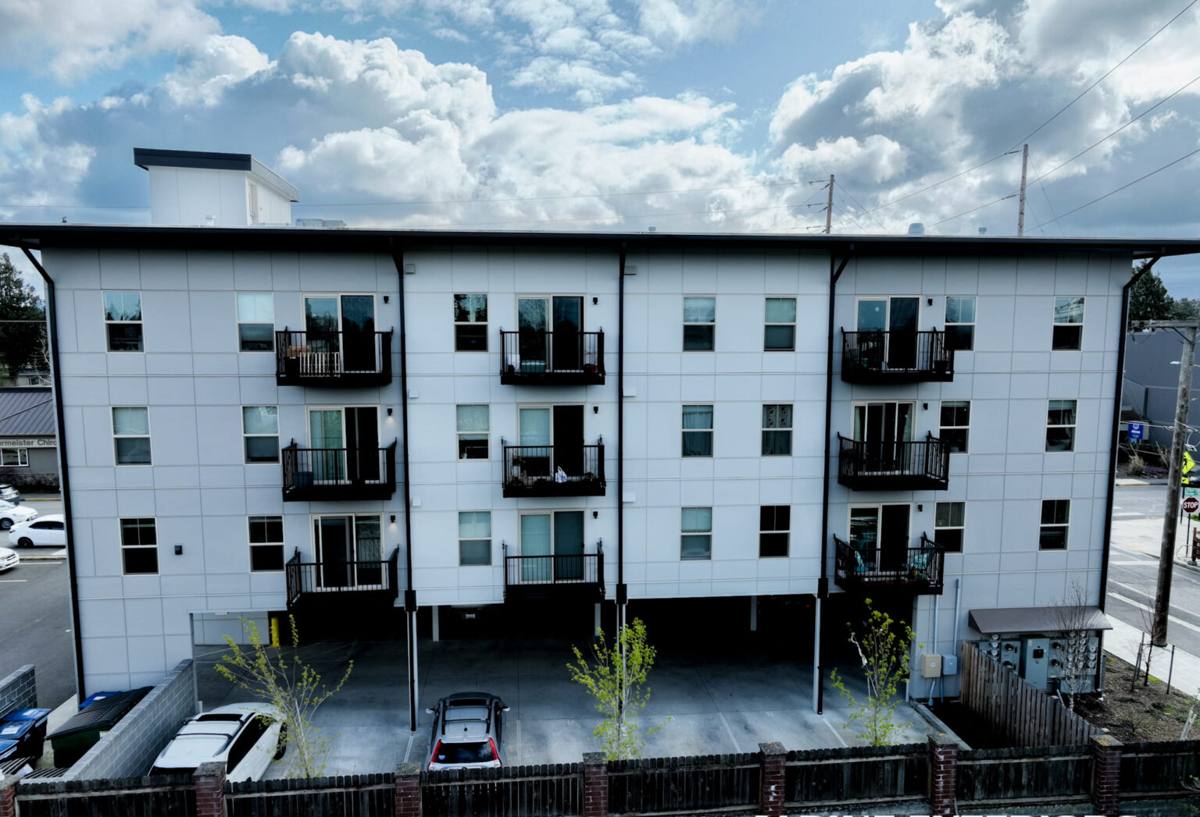
What This Climate Does to Vertical Siding
Salt Air and Fastener Corrosion
Homes near Semiahmoo and the surrounding Whatcom County shoreline sit in a corrosive air environment even when they're not directly waterfront. Salt-bearing moisture travels with the wind and settles on every exterior surface, including fasteners, flashing, and trim. Cheap or mismatched fasteners corrode faster here than almost anywhere inland, and a rusting nail head under a painted board and batten joint eventually bleeds through the finish or loosens its grip entirely.
Driving Rain and Water Management Behind the Boards
Vertical siding has more seams than horizontal lap siding — every batten strip creates a joint that has to be detailed to shed water, not collect it. In a climate where rain regularly comes in at an angle rather than falling straight down, those joints see real wind-driven water pressure. If there's no drainage plane behind the siding, or the battens are face-nailed directly to the sheathing without a gap, water that gets past the surface has nowhere to go and no way to dry out.
The Long Moss Season
Wiser Lake's tree cover, humidity, and mild temperatures mean moss and algae have a long growing window — often close to year-round on north-facing or shaded walls. Moss doesn't just look bad; it holds moisture against the siding surface far longer than a clean wall would, which matters most on materials that swell, rot, or delaminate when they stay wet. It's one of the biggest reasons material choice for this project matters as much as the installation itself.
Why Material Choice Comes First
Board and batten can be built out of several materials, and they don't perform the same way once moss, salt air, and driving rain are part of the equation. We install James Hardie fiber cement exclusively — specifically HardiePanel vertical siding with Hardie trim battens — because it's engineered as a non-combustible, dimensionally stable material that doesn't rot, swell, or feed the kind of organic growth that thrives in a moss-prone environment. We don't install vinyl board and batten, LP SmartSide, cedar, primed spruce, or other fiber cement brands, and we're upfront about why:
- Wood-based battens and panels (cedar, primed spruce, engineered wood) — look good on day one, but they're organic material in a climate that stays damp for long stretches. Moss and mildew get a foothold faster, and any breach in the paint film lets moisture in where it can swell or rot the substrate.
- Vinyl board and batten — sheds water well but flexes with temperature swings, can crack in impact-prone areas, and its color is baked in rather than a refinishable factory coating, so fading over years in coastal sun and salt air isn't something you can touch up.
- Other fiber cement brands — some are reasonable products, but we've standardized on one system, one warranty structure, and one factory finish so every board and batten job we do is backed the same way, with a track record we know cold.
James Hardie's ColorPlus factory finish is baked on and warrantied against fading and peeling far beyond what field-applied paint typically holds up to in salt air. That matters more on a vertical siding job than almost any other application, because board and batten shows every seam, every seam line, and every touch-up if the finish isn't consistent.
What a Correct Installation Actually Involves
The Rainscreen Gap
Board and batten siding installed flat against the sheathing, with no gap behind it, is one of the most common mistakes we see when we tear off a previous installation. A proper install includes a drainage gap — created with vertical furring strips or a purpose-built rainscreen product — so that any water that does get behind the panel has a path to drain and air to dry it out. This single detail is the difference between siding that lasts decades in a wet climate and siding that traps moisture against the wall assembly.
Flashing and Trim Details
Every horizontal transition — window heads, band boards, the base of the wall — needs flashing that directs water out and away, not into the wall cavity. Batten joints and panel seams need consistent, correct fastener spacing and placement per manufacturer specification, not a "close enough" pattern. Corner details and inside/outside trim need to be caulked and finished in a way that survives repeated wet-dry cycling, not just look tight on installation day.
Fasteners and Hardware
Given the corrosion pressure from salt air, we use fasteners rated for the exposure this area actually sees, not whatever is cheapest. Every hidden detail — house wrap integration, flashing tape at penetrations, fastener corrosion resistance — matters more here than it would on a home fifty miles inland, and it's exactly the kind of thing that's invisible once the siding goes up and impossible to fix without opening the wall back up.
Comparing Board & Batten Options for This Climate
| Material | Moisture / Moss Resistance | Salt Air Durability | Long-Term Maintenance |
|---|---|---|---|
| James Hardie fiber cement (our standard) | Non-combustible, doesn't rot or swell; factory finish resists moss staining | Engineered for coastal/marine climates; corrosion-rated fastening detailed to match | Occasional wash; ColorPlus finish holds color far longer than field paint |
| Cedar / primed spruce | Organic material; absorbs moisture, feeds moss and mildew growth | Needs diligent sealing and repainting to resist salt exposure | Regular repainting/staining and moisture monitoring required |
| Vinyl board and batten | Sheds surface water but can trap moisture behind panels if not detailed well | Can become brittle and fade faster under sun and salt exposure over time | Low upkeep, but color is not renewable once it fades |
| Other fiber cement brands | Comparable base material performance to Hardie in most cases | Varies by product line and finish warranty | Depends on manufacturer's finish system and warranty terms |
Our Process for a Wiser Lake Project
We start with an on-site assessment, not a phone estimate — the condition of your existing wall assembly, the sheathing underneath, and how much sun or shade each elevation gets all change what the job actually needs. From there:
- Remove existing siding and inspect the sheathing for hidden moisture damage or rot before anything new goes up.
- Repair or replace any compromised sheathing — covering over a wet wall is how good siding fails early.
- Install house wrap and flashing at every window, door, and horizontal transition.
- Build in the rainscreen drainage gap behind the panel and batten assembly.
- Install HardiePanel vertical siding and Hardie trim battens to manufacturer fastening specification.
- Final inspection of caulking, trim, and finish consistency before we consider the job complete.
None of these steps are optional extras — they're the baseline for a board and batten installation that's actually built for driving rain and a long moss season, not just one that looks right in the driveway.
Why a Local Crew Matters Here
A crew that works Wiser Lake and the broader Semiahmoo area regularly already knows which walls take the worst of the wind-driven rain, how much shade a given lot gets and what that means for moss, and how the salt air here behaves differently than it does even a short distance inland. That's not something you can fully account for from a generic install checklist — it comes from doing this work, on these homes, in this specific pocket of Whatcom County, season after season. It also means someone is close by if a warranty question or maintenance question comes up years down the road, rather than a crew that did one job in the area and moved on.
Maintenance in a Moss-Prone, Salt-Air Environment
Correctly installed James Hardie board and batten siding is low-maintenance, not no-maintenance. A little seasonal attention keeps it looking right and protects the installation underneath:
- Rinse siding surfaces (especially shaded, north-facing walls) periodically to keep moss and algae from establishing.
- Keep gutters clear and downspouts directed away from the wall base to reduce splash-back and standing moisture.
- Trim back vegetation and tree canopy that keeps a wall section shaded and damp longer than the rest of the house.
- Check caulking at trim and window transitions every year or two, since caulk is the one component that ages faster than the siding itself.
- Address any impact damage or fastener issues promptly rather than letting a small breach sit through a wet season.
What Affects Cost on a Project Like This
Every board and batten project prices out a little differently, but the main cost drivers are consistent from house to house:
| Factor | Why It Matters |
|---|---|
| Sheathing condition | Rot or moisture damage found during tear-off has to be repaired before new siding goes on |
| Wall complexity | More corners, windows, and trim details mean more flashing and cutting labor |
| Existing siding removal | Full tear-off vs. building over an already-sound assembly changes labor scope |
| House size and stories | Taller walls need more access equipment and safety setup |
| Trim and batten detail level | Wider reveals, mixed reveals, or accent bands add material and layout time |
We don't quote broad numbers on a page like this because every Wiser Lake home is different, but we can give you an honest, itemized estimate after we've actually looked at your walls.
Get an Honest Look at Your Siding
If your board and batten siding is showing moss staining, soft spots, or gaps at the seams, or you're planning new siding and want it done to hold up against this area's rain and salt air, we're glad to come take a look. The estimate is free, there's no pressure, and you'll get a straight answer about what your home actually needs — use the form below to get started.