 Semiahmoo Exterior
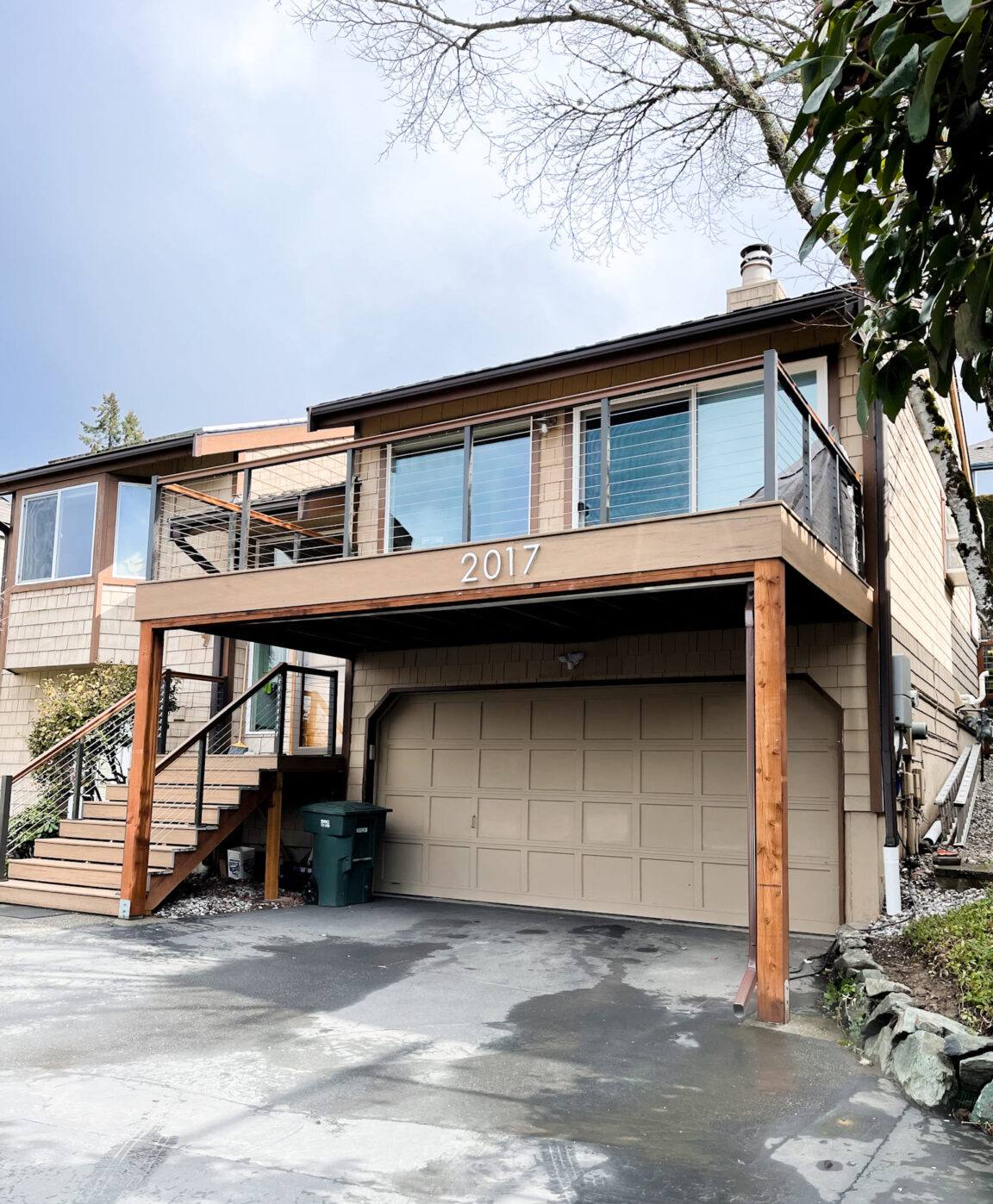
 Deck Replacement Built for Laurel's Climate, Not Just Its Curb Appeal
Laurel sits inland from the water but still lives inside the same marine climate pattern that defines Whatcom County: long wet seasons, persistent shade under mature trees, and the salt-tinged air that drifts in off the Semiahmoo area and the broader Puget Sound region. That combination is hard on decks in ways that don't show up right away. A deck can look fine from the yard and still have soft framing underneath, corroded fasteners holding less than they should, or a ledger connection that's been quietly absorbing moisture for years. Replacing a deck here isn't just a cosmetic upgrade — it's an opportunity to fix the structural and moisture issues that a repaint or spot repair never actually solves.
We work on decks throughout the Semiahmoo and Laurel area regularly enough to know which failure patterns show up first in this climate, and which shortcuts in the original build tend to cause the most trouble ten or fifteen years later. This page walks through what a proper replacement involves here, not in a generic climate, but in the wet, moss-prone, salt-air conditions Whatcom County homeowners actually deal with.
Why Local Conditions Age Decks Faster Than Homeowners Expect
Driving Rain and Standing Moisture
This region doesn't just get rain — it gets sustained, wind-driven rain that pushes water sideways into joints, under flashing, and into any gap where end grain is exposed. On a deck, that means the ledger-to-house connection, stair stringers, and any horizontal ledger or beam surface take on water repeatedly through the fall and winter. Wood that never fully dries between storms is wood that rots from the inside before it shows visible damage on the surface.
Moss and Organic Growth
The long moss season here isn't cosmetic annoyance — it's a moisture trap. Moss and algae hold water against decking boards and framing long after a dry day would have let the wood breathe. On shaded decks, or decks under tree cover, moss can establish within a single wet season and keep the boards damp for months at a time, accelerating both surface wear and hidden rot underneath.
Salt Air and Metal Fasteners
Being close enough to the water to catch salt-laden air matters more for a deck than most homeowners realize, because a deck's strength depends entirely on its metal connections — joist hangers, structural screws, ledger bolts, and post bases. Standard fasteners corrode faster in this air, and once a fastener weakens, the wood around it loses its grip even if the board itself still looks sound.
Signs a Laurel Deck Needs Replacement Rather Than Repair
Not every aging deck needs full replacement, but there's a point where patching individual boards stops making sense — either because the framing underneath is compromised, or because repair costs start approaching what a full rebuild would cost anyway. Here's what tells us a deck has crossed that line:
- Soft, spongy, or spring-back decking when you walk across it, especially near the house or stairs
- Visible gaps, cracking, or splintering concentrated on boards that stay shaded most of the day
- Rust streaking below fastener heads or joist hangers
- A ledger board that feels damp, discolored, or separated slightly from the house siding
- Persistent moss or black staining that returns within weeks of cleaning
- Railings that flex or posts that rock at the base
- A deck more than 15-20 years old built before current fastener and flashing standards were common
If you're only seeing one or two of these and the framing tests solid, targeted repair may still be reasonable. When several show up together, it's usually a sign the structure itself needs to be rebuilt rather than patched again.
What a Correct Deck Replacement Actually Involves
Ledger Flashing First
The single most important detail on any deck attached to a house is the ledger flashing — the metal and membrane detail that keeps water from tracking behind the siding at the point where the deck meets the structure. This is also the detail most often done poorly or skipped entirely on older decks, and it's usually the source of hidden rot we find once we open a deck up. On a replacement, correcting the ledger flashing is not optional — it's the difference between a deck that lasts and one that fails again from the inside.
Framing and Fastener Selection
Given the corrosion pressure from salt air and constant moisture, framing hardware matters as much as the wood species. We frame with connectors and fasteners rated for the exposure this area actually sees, not the minimum a code inspector will accept. Joist hangers, post bases, and structural screws all get selected with corrosion resistance as a real design factor, not an afterthought.
Footings and Structural Support
Replacement is also the point to correct undersized or poorly placed footings — a common issue on older decks that were built to lighter standards than current code requires. Proper footing depth and placement matter more here than in drier climates, since saturated soil around a shallow footing can shift over a wet winter.
Decking Material
The visible decking boards are the last decision, not the first — but they're the one homeowners usually ask about first, so it's worth walking through honestly.
Comparing Decking Materials for This Climate
| Material | Moisture Behavior | Moss/Algae Resistance | Maintenance |
|---|---|---|---|
| Pressure-treated wood | Absorbs and releases moisture; prone to cupping if not sealed regularly | Low — needs regular cleaning to prevent buildup | Annual cleaning and periodic sealing |
| Cedar | Naturally moisture-resistant but still needs sealing over time | Moderate | Sealing every 1-2 years for appearance and protection |
| Composite decking | Doesn't absorb water into the board itself; drainage under boards still matters | Higher — capped composites resist staining better than wood | Occasional washing; no sealing or staining |
| PVC decking | Fully moisture-resistant board material | Higher still, though surface cleaning is still needed in shaded, mossy areas | Occasional washing; no sealing or staining |
There's no universally "correct" choice here — it's a trade-off between upfront cost, maintenance tolerance, and how much shade and moisture exposure the specific deck location gets. A sunny, open deck can do fine in cedar with regular upkeep. A heavily shaded deck under trees is where composite or PVC earns its higher upfront cost back in avoided maintenance. We'll walk through what fits your specific site rather than defaulting to one product across every job.
How Our Deck Replacement Process Works
The process is straightforward, and we keep it that way on purpose:
- On-site assessment — we check the existing framing, ledger connection, footings, and drainage before quoting anything, since a deck that looks fine from the top can hide problems underneath
- Honest scope — you'll get a clear picture of what's being replaced structurally versus cosmetically, and why
- Demo and structural rebuild — old decking, framing, and any compromised ledger or footing components come out and get rebuilt to current standards
- Flashing and moisture detailing — done properly at the ledger and any other point where the deck meets the house
- Decking installation — using the material you've chosen, installed with attention to fastener pattern and drainage gaps between boards
- Final walkthrough — we go over the finished deck with you, including basic maintenance expectations for the material installed
Permits and Code Considerations in Whatcom County
Deck replacement work that involves structural changes — new footings, altered framing, or changes to railing height and stair configuration — typically requires a permit locally. This isn't paperwork for its own sake: it ensures the footing depth, ledger attachment, and railing specs meet current standards, which matters more in a wet climate where a marginal original build tends to fail faster. We handle the permitting process as part of the job rather than leaving it for the homeowner to sort out.
Keeping a New Deck Ahead of Moss and Moisture
A correctly built deck still needs some seasonal attention in this climate, especially through the wetter months:
- Clear leaves and debris from between boards before they trap moisture
- Rinse off early moss growth before it establishes, rather than waiting for a deep clean later
- Check that gaps between boards remain clear so water drains through rather than pooling on the surface
- Keep gutters and downspouts near the deck functioning so runoff isn't draining directly onto it
- For wood decking, plan on resealing on the schedule appropriate to the species rather than waiting until it visibly grays
None of this is complicated, but skipping it is exactly how a well-built deck ends up back in "needs replacement" territory well before it should.
Why Local Experience Matters for This Job
Deck framing details that work fine in a dry climate don't hold up the same way here, and a crew that hasn't spent real time working in Whatcom County's rain and moss conditions can miss that. We've seen which fastener grades actually last, which flashing details get skipped on production-built decks, and which decking materials genuinely hold up under sustained shade and moisture versus just looking good in a showroom. That local pattern-recognition is part of what you're paying for on a replacement, not just the labor to swap old boards for new ones.
If you're weighing repair versus replacement, or just want an honest read on what's happening under your deck, we're glad to take a look. Reach out for a free, no-pressure estimate using the form below — we'll walk the deck with you and tell you straight what it needs.