 Semiahmoo Exterior
 Energy-Efficient Windows for Sumas Homes
Sumas homeowners near Semiahmoo deal with a specific mix of weather that most window installers never have to think about twice: salt-laden air drifting off the water, driving rain that comes in sideways for days at a time, and a wet season long enough to grow moss on anything that sits still. Windows here don't just need to look good and keep the heat in — they need to survive a climate that actively works against seals, frames, and finishes for eight or nine months of the year.
This page is about one job, done right, in one area: replacing or upgrading windows for energy efficiency in homes around Sumas and greater Semiahmoo. Not a general product catalog — a plain explanation of what your windows are up against here, what a correct installation actually involves, and why local experience changes the outcome.
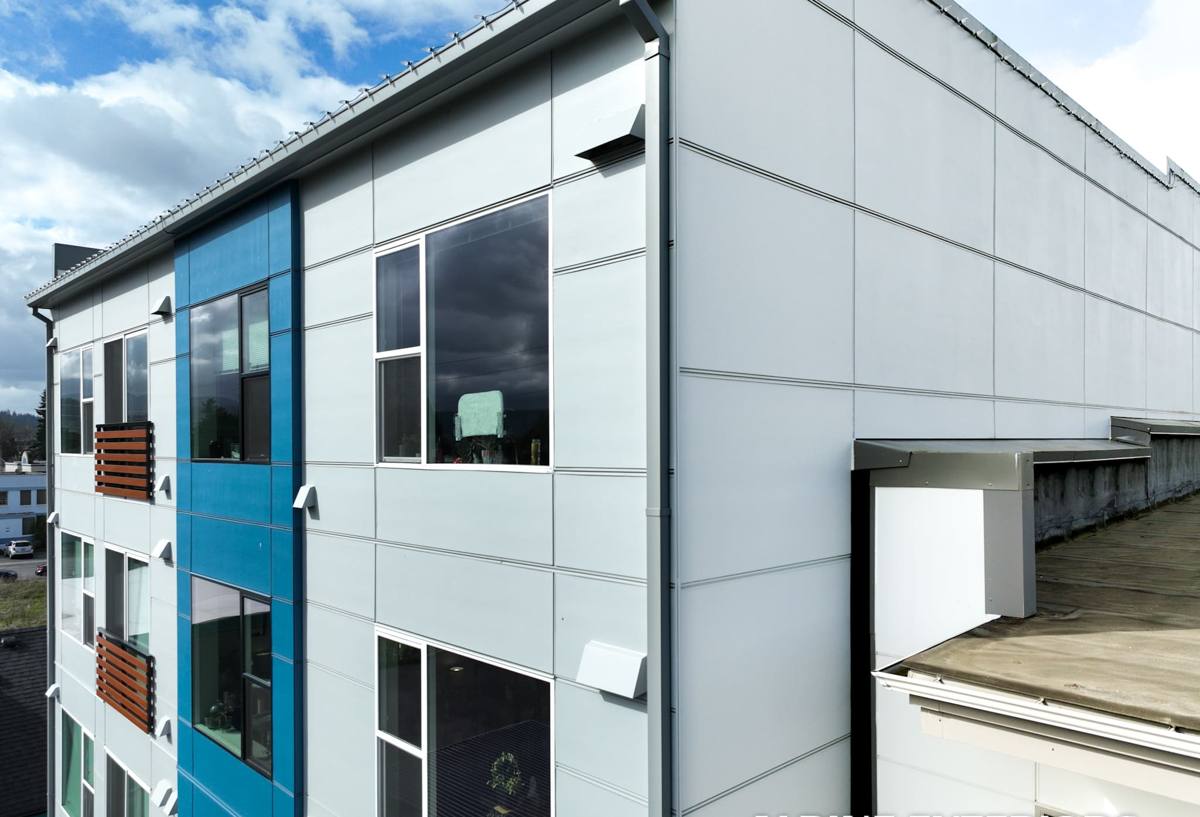
What Whatcom County Weather Does to Windows
Salt Air and Metal Fatigue
Homes closer to the water pick up a fine layer of salt in the air that settles on window hardware, aluminum cladding, and exposed fasteners. Over years, that accelerates corrosion on lower-grade hardware — hinges get stiff, locks bind, and unprotected metal trim starts to pit. It's slow, but it's constant, and it's one of the reasons hardware quality matters more here than in drier inland areas.
Driving Rain and Wind-Driven Water
Semiahmoo-area storms don't just drop rain straight down — wind pushes it sideways into the wall assembly. A window that's watertight in a light shower can still leak under sustained, wind-driven rain if the flashing details and sill pan aren't done correctly. This is the single most common cause of the "new window that still leaks" complaint we hear about.
The Long Moss Season
Extended damp periods mean anything with a horizontal surface — sills, exterior trim, muntin bars — becomes a candidate for moss and algae growth if it can't dry out between rain events. Moss holds moisture against wood and paint, which shortens the life of trim and finishes and can mask early rot if nobody's checking behind it.
What "Energy-Efficient" Actually Means Here
Energy efficiency for a Sumas-area home isn't just about the glass rating on the sticker. It's the combination of glass performance, frame material, and — most importantly — how well the window is sealed into the wall. A high-performance window installed with a poor air seal will underperform a mid-grade window installed correctly, every time.
- Low-E glass with the right coating orientation for our mostly overcast, moderate climate — prioritizing heat retention over solar heat rejection, since we're not fighting intense summer sun.
- Warm-edge spacer systems that resist condensation at the glass edge, which matters when indoor humidity is higher during the long wet season and everyone's windows are closed.
- Multi-point locking hardware that compresses the sash evenly against the weatherstripping — a real factor in wind-driven rain resistance, not just security.
- Frame material suited to salt exposure — vinyl and fiberglass largely sidestep the corrosion issues that come with lower-grade aluminum near the water.
What a Correct Installation Involves
Most window failures we get called out to fix aren't product failures — they're installation shortcuts. A correct job, especially in a wind-driven-rain climate, follows a specific sequence:
- Remove the old window and inspect the rough opening for hidden water damage or rot before anything new goes in. Covering up a wet frame is how small problems become big ones.
- Install a sloped sill pan so any water that gets past the window drains back out, rather than pooling against the framing.
- Flash the opening in the correct shingle-lap order — sill, then jambs, then head flashing over the top — so water is always directed outward and downward, never trapped behind a layer.
- Set the window plumb, level, and square before fastening, so the sash operates smoothly and the weatherstripping seals evenly on all four sides.
- Seal and insulate the gap around the frame with a backer rod and appropriate sealant or low-expansion foam — not just caulk smeared over a gap.
- Finish the exterior trim and drip cap so water sheds away from the top of the window instead of running down the face of the frame.
Skip step 2 or step 3 and the window can look perfect for a year or two before a slow leak shows up as a stained wall or soft trim — often long after the original crew has moved on.
Comparing Frame Materials for This Climate
| Frame Material | Salt Air / Moisture Behavior | Maintenance | Typical Fit for This Area |
|---|---|---|---|
| Vinyl | Doesn't corrode; performs well in humid, salty air | Low — occasional cleaning | Strong default choice for most Sumas-area homes |
| Fiberglass | Excellent moisture and salt resistance, very stable | Low | Good fit for higher-exposure locations, higher upfront cost |
| Wood (clad or unclad) | Vulnerable to the long moss season if finishes aren't kept up | High — regular finish upkeep required | Best for homeowners committed to maintenance, often for appearance reasons |
| Aluminum (uninsulated) | Prone to corrosion and condensation near salt air | Moderate | Generally not our first recommendation this close to the water |
We don't rule out wood or aluminum outright — some homeowners want the look of wood or need aluminum for a specific structural reason — but we're upfront that both come with real trade-offs in this climate, and we'll tell you what the maintenance commitment actually looks like before you decide.
Why Local Experience Matters for This Job
A crew that installs windows in a mild, dry inland climate learns habits that don't hold up here. Flashing details that are "good enough" where wind-driven rain isn't a factor will eventually leak in Semiahmoo weather. Working windows in Sumas and the surrounding area regularly means we know:
- Which orientations on a given lot catch the worst of the wind-driven rain and need extra attention to flashing laps.
- How much drying time to expect between rain events before caulk or sealant will actually cure properly.
- Where moss and algae tend to build up on sills and trim, and how to detail those surfaces so water sheds instead of sitting.
- Which hardware and frame finishes hold up over years of salt air exposure versus which ones start showing wear early.
That's not a marketing point — it's the difference between a window that's still performing in ten years and one that needs re-caulking and trim repair in three.
Signs Your Current Windows Are Underperforming
- Visible condensation between the glass panes (a sign the seal has failed, not something you can fix from outside).
- Drafts you can feel near the frame even when the window is fully latched.
- Difficulty locking or latching, which often means the frame has racked slightly out of square.
- Soft or discolored trim or sill material, especially on sides of the house exposed to prevailing wind and rain.
- Moss or dark staining building up on horizontal trim surfaces that never fully dry out.
- Noticeably higher heating bills compared to homes of similar size nearby.
How Our Process Works
We start with an on-site look at your existing windows and the framing around them — not just a measurement, but an actual check for hidden moisture damage, since that changes the scope of the job. From there we walk through frame material and glass options that fit your home and budget, explain realistic cost ranges, and give you a straight answer on what's needed versus what's optional. Installation follows the sequence above every time, regardless of which product you choose, because the sealing and flashing details are what actually determine whether the job holds up through a Whatcom County winter.
Cost Factors to Expect
Pricing depends on more than the window unit itself. The main variables we walk through with homeowners are:
- Frame material and glass package selected.
- Number of openings and whether any require custom sizing.
- Condition of the existing rough opening — hidden rot or water damage adds repair scope.
- Full-frame replacement versus insert (pocket) replacement, which affects both cost and long-term performance.
- Trim and exterior finish work needed to properly weatherproof the new opening.
We'll give you a broad, honest range once we've actually seen the openings — not a number pulled from a national average that ignores what's really going on behind your siding.
If your windows are drafty, fogging between the panes, or just due for an upgrade, we're happy to take a look and put together a free, no-pressure estimate. There's no obligation — just a straight assessment of what your home actually needs.