 Semiahmoo Exterior
 Why Semiahmoo Resort Windows Wear Out Faster Than You'd Expect
Homes around Semiahmoo Resort sit right up against Semiahmoo Bay, and that waterfront position is exactly what makes windows here a different animal than windows fifteen miles inland. Salt-laden air moves off the water and settles on every exterior surface it touches, including window frames, hardware, and seals. Add in wind-driven rain that comes sideways off the bay during winter storms, and a moss season that runs long thanks to the Pacific Northwest's shade and moisture, and you've got three separate forces all working against the same set of windows year-round.
None of this means windows fail overnight. It means they fail on a faster clock than the manufacturer's brochure assumes, because that brochure was written for a general climate, not a bay-front lot in Whatcom County. Seals dry out and crack sooner. Aluminum hardware pits and corrodes. Wood sashes that aren't properly clad or maintained start absorbing moisture at the joints. By the time a homeowner notices fogging between panes or a draft around the frame, the underlying damage has usually been building for a while.
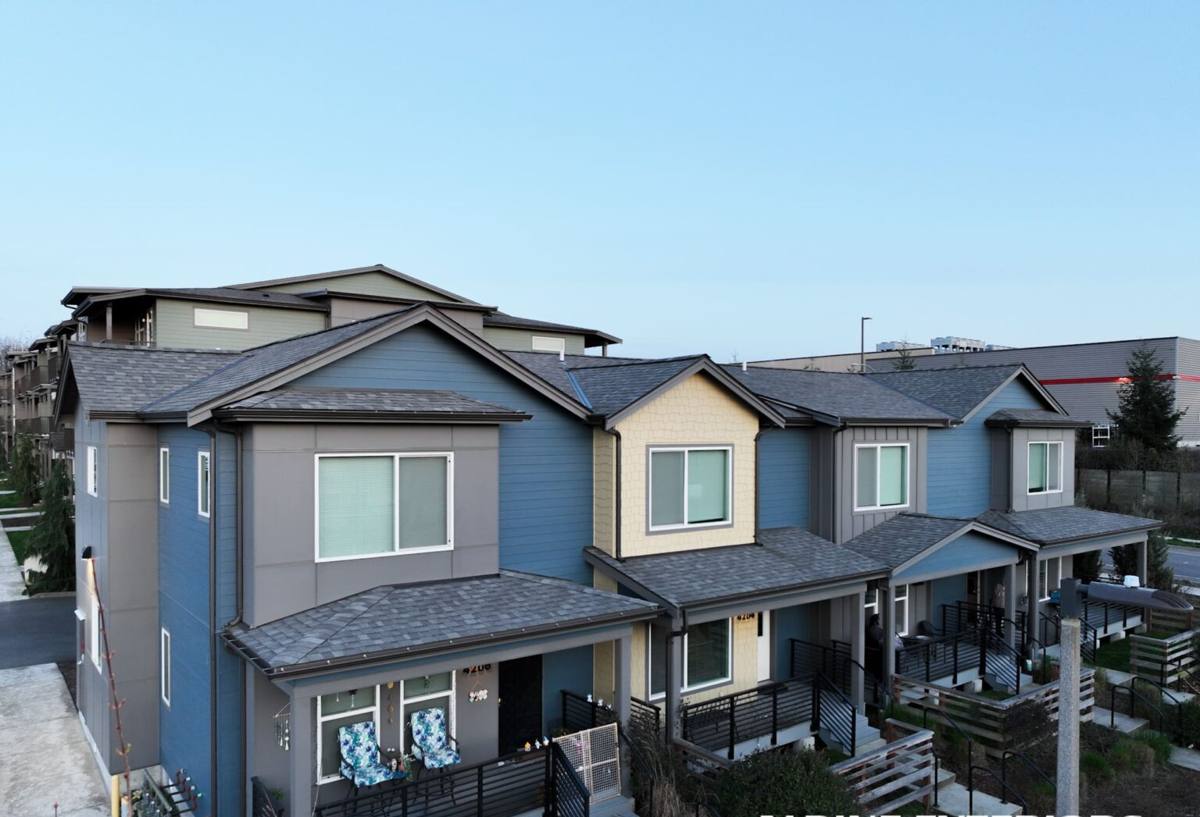
What "Custom" Actually Means for This Neighborhood
Custom windows aren't just about picking a style off a shelf — for Semiahmoo Resort homes, custom usually starts with the opening itself. Many houses in this area have older or nonstandard rough openings, bay windows, or architectural details tied to the resort's overall look, and off-the-shelf sizing rarely fits cleanly. Custom fabrication means the window is built to the actual opening, not the other way around, which matters a lot when you're trying to keep a tight seal in a place that gets constant wind and moisture pressure.
Custom also means matching the sightlines and proportions homeowners want to protect — bay-facing rooms in particular tend to have larger glass areas designed to take advantage of the water view, and getting the structural support and glazing right on those larger units is a different job than swapping a standard bedroom window.
Common Reasons Homeowners Here Replace Rather Than Repair
- Persistent condensation or fogging between panes, meaning the seal has already failed
- Visible corrosion or pitting on aluminum hardware, tracks, or cranks
- Soft or discolored wood at the sill or frame corners
- Drafts that get noticeably worse during storms with wind off the bay
- Difficulty operating the window smoothly — swelling, sticking, or misalignment
- Moss or dark staining building up in frame corners and sills even after cleaning
Material Choices That Actually Hold Up in Salt Air
Frame material matters more here than in a typical inland install. Bare aluminum, while affordable, corrodes visibly in salt air over time and conducts cold, which shows up as condensation on the interior frame during cool, damp stretches. Vinyl handles moisture well and won't corrode, but lower-grade vinyl can become brittle with years of UV and temperature swings, so the quality of the vinyl formulation matters. Fiberglass and quality wood-clad options tend to perform best on direct waterfront exposure because they resist both moisture intrusion and corrosion, though they come at a higher upfront cost.
Hardware is just as important as the frame. Standard mill-finish hardware pits and seizes in salt air faster than most homeowners expect. Marine-grade or corrosion-resistant hardware costs more initially but avoids the frustration of a smooth-operating window turning stiff and sticky within a few seasons.
| Frame Material | Salt Air Durability | Maintenance Needs | Typical Cost Position |
|---|---|---|---|
| Standard Aluminum | Corrodes and pits over time near the bay | Periodic hardware cleaning and lubrication | Lower upfront cost |
| Vinyl (quality-grade) | Good — won't corrode, resists moisture | Occasional cleaning of tracks and weep holes | Mid-range |
| Fiberglass | Excellent — stable in temperature swings and moisture | Low — minimal expansion/contraction | Higher upfront cost |
| Wood-clad | Good if cladding and flashing are done correctly | Requires attention to cladding seams over time | Higher upfront cost |
Glass and Weatherstripping for Wind-Driven Rain
Glass performance isn't just about energy efficiency — around Semiahmoo Resort, it's about keeping wind-driven rain out during winter storms. Dual-pane or triple-pane insulated glass units with a properly sealed spacer system resist both heat loss and moisture intrusion better than older single-pane or degraded double-pane units. Low-E coatings help with glare and heat control on bay-facing windows that get strong reflected light off the water.
Weatherstripping and compression seals need to be rated for the kind of sustained wind pressure this area sees, not just a light residential average. A window that seals fine on a calm day but leaks during a storm with wind coming straight off the bay hasn't actually solved the problem — it's just deferred it to the next weather event.
Installation Details That Matter More Here Than Elsewhere
A correct custom window installation in this climate comes down to what happens around the window, not just the unit itself. Flashing has to be layered correctly so that any water that gets behind the siding is directed out and away from the framing, not trapped against it. Sealant choice matters too — general-purpose caulk breaks down faster under constant salt exposure and UV than a marine-grade or high-performance sealant rated for this kind of environment.
Moisture barriers around the rough opening need to be integrated with the home's existing weather-resistive barrier, not just taped over it. This is one of the most common places we find shortcuts on past installs in this area — flashing that was skipped or sealant that was used as a substitute for proper flashing, which works for a season or two before moisture finds its way in behind the trim.
Signs an Existing Installation Was Done Wrong
- Water staining on interior drywall below or beside a window, especially after storms
- Soft trim or siding immediately around the window frame
- Gaps or visible caulk failure at the corners of the frame
- Musty smell near a window that isn't explained by anything else in the room
- Moss or algae growth concentrated right at the window's top edge, suggesting water is running down from a poor flashing detail
How We Handle a Semiahmoo Resort Custom Window Project
We start with an on-site assessment of every window being considered, not just a measurement visit. That means checking the condition of the framing, sill, and surrounding siding, since a new window installed into a compromised opening won't perform any better than the one it replaced. From there we take precise measurements for custom fabrication, discuss frame material and glass options based on the window's exposure to wind and salt spray, and walk through realistic maintenance expectations before anything is ordered.
Installation is done with attention to flashing, sealant, and moisture barrier integration specific to this climate — not a generic install process borrowed from drier regions. We also do a final walkthrough on operation, weatherstripping fit, and cleanup, and we're upfront about what maintenance the homeowner should expect going forward so there are no surprises a year or two down the line.
Why a Crew That Already Works This Area Matters
Windows installed by a crew unfamiliar with bay-front exposure often look fine on install day and start showing problems within a year or two — corroded hardware, failed seals, or water intrusion that a generic install approach didn't account for. Working regularly in Semiahmoo Resort and the surrounding Whatcom County waterfront means knowing which materials actually hold up here, which flashing details matter most for wind-driven rain, and how to size and detail custom units for the kind of openings this neighborhood tends to have.
It also means understanding realistic timelines and weather windows for install — trying to get flashing and sealant work done properly during an active storm system off the bay is a losing proposition, and a crew that works this area regularly plans around that instead of fighting it.
Maintenance That Extends the Life of New Windows Here
Even the best custom windows benefit from a little seasonal attention in this climate. Rinsing accumulated salt residue off frames and glass periodically helps slow corrosion and buildup, especially on hardware. Keeping weep holes and tracks clear of moss and debris prevents water from pooling where it shouldn't. Checking exterior sealant for cracking once a year, particularly after a hard winter, catches small gaps before they become bigger moisture problems.
| Maintenance Task | Recommended Frequency | Why It Matters Here |
|---|---|---|
| Rinse salt residue from frames/hardware | Every few months | Slows corrosion from bay salt air |
| Clear weep holes and tracks of moss/debris | Twice a year | Prevents trapped moisture and pooling |
| Inspect exterior sealant for cracking | Annually, post-winter | Catches gaps before wind-driven rain gets in |
| Lubricate hardware and cranks | Annually | Keeps operation smooth despite salt exposure |
If your windows are showing their age, fogging, sticking, or letting in more draft than they used to, we're happy to come take a look and give you a straightforward, no-pressure estimate on what custom replacement would actually involve for your home. Use the form below to get started.