 Semiahmoo Exterior
 Why Point Roberts Siding Takes a Different Approach
Point Roberts sits on its own peninsula at the far edge of Whatcom County, surrounded on three sides by the Strait of Georgia and cut off from the rest of the mainland United States by the Canadian border. That geography is what makes the place special, and it's also exactly why siding here fails faster than it does even a few miles inland. Homes on this peninsula take wind-driven rain and salt-laden air almost year-round, with very little terrain to break it up before it hits an exterior wall.
We install siding across the Semiahmoo area, and Point Roberts homes are consistently among the hardest-used exteriors we see. Salt air accelerates corrosion on fasteners and trim metal. Driving rain finds every weak seam and gap in a wall system. And the long, damp moss season here does something a lot of homeowners underestimate — it holds moisture against the siding surface for months at a time, which is a problem for any product that isn't built to shed water and dry out quickly.
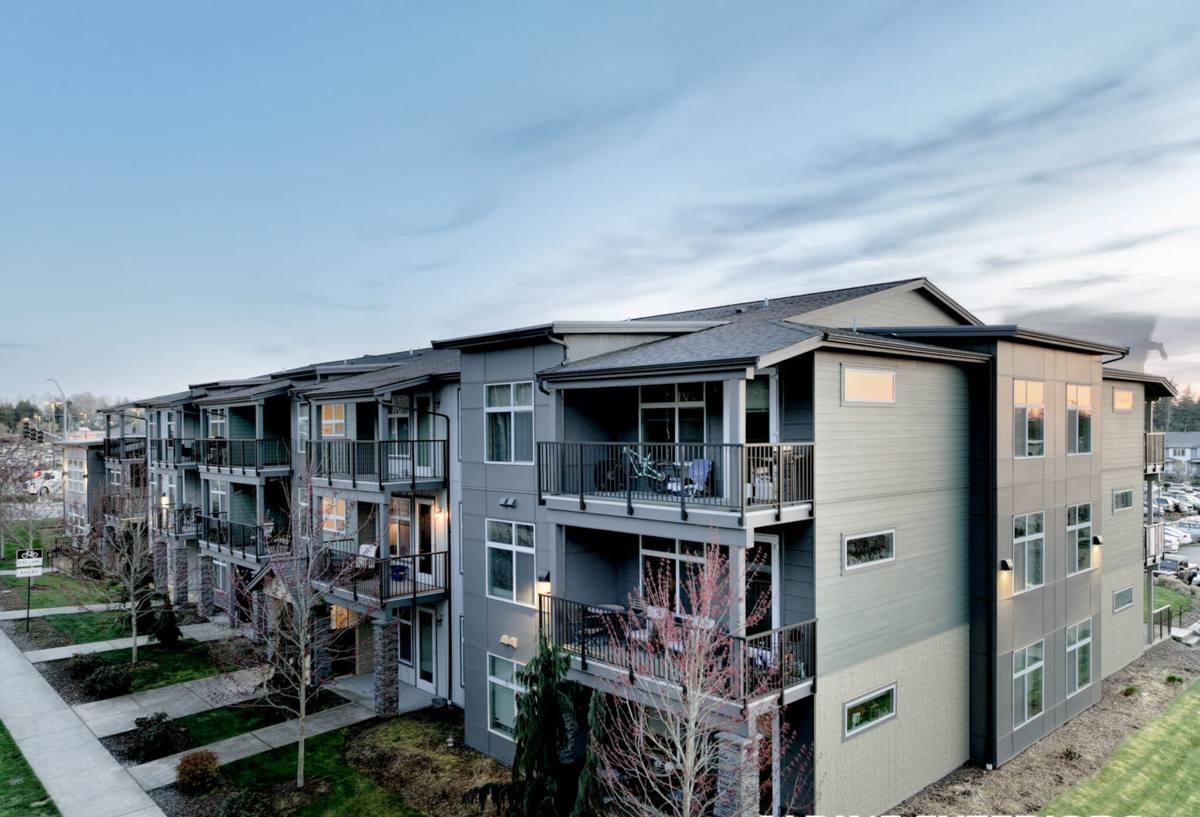
What Salt Air, Rain, and Moss Actually Do to a Wall
It helps to understand the mechanism, not just the symptom. Three things are working against your siding at the same time in this location:
- Salt air is corrosive to exposed metal — nail heads, trim flashing, hose bib caps — and it also draws moisture into porous materials, keeping them damp longer than a dry-climate wall would ever experience.
- Driving rain off the water doesn't fall straight down — wind pushes it sideways into laps, seams, and butt joints. A siding system with weak drainage detailing will let water track behind the cladding instead of shedding it.
- Extended moss season means shaded and north-facing walls stay damp far longer between dry spells. Moss and algae growth on a wall surface holds even more moisture against it, which is exactly the condition that swells wood-based products and breaks down poor factory finishes.
None of this is exotic. It's ordinary Pacific Northwest coastal weather. But it's persistent, and siding on this peninsula gets less of a break between wet cycles than siding even a short drive inland. That's the standard we install to.
Why We Install Only James Hardie Fiber Cement Here
We don't offer vinyl, LP SmartSide, cedar, or primed wood siding on Point Roberts jobs — not because those products can't be installed, but because we've made a professional decision not to put our name behind them in this specific climate. Wood-based and wood-fiber products absorb moisture at cut edges and fastener penetrations; in a location with this much sustained dampness, that means more maintenance and a shorter honest service life than most homeowners expect going in. Vinyl handles moisture fine but moves with temperature swings, can become brittle over time, and doesn't hold up structurally to wind-driven debris the way a heavier fiber cement panel does.
James Hardie fiber cement is cement, sand, and cellulose fiber — it doesn't rot, it isn't a food source for pests, and it's non-combustible. Hardie's HZ5 product line is specifically engineered for climates with harsher moisture and freeze-thaw cycling, which describes this peninsula well. The factory-applied ColorPlus finish is baked on under controlled conditions rather than field-applied, which matters most exactly where salt air and UV exposure are working hardest to break a finish down. It's a heavier, denser product to install correctly, but it's also the one we're willing to warranty our workmanship on in a location this exposed.
What This Means in Practice
It means every quote we give a Point Roberts homeowner is for a fiber cement job — not a range of material options. We'd rather be upfront about that before you get a bid than surprise you with it later. If your priority is the lowest up-front number, we're not going to be the cheapest bid on the table, and we'll tell you that honestly.
What a Correct Installation Involves
Fiber cement siding is only as good as the wall assembly behind it. On a peninsula with this much moisture exposure, the installation details matter more than the product choice. A correct job includes:
Drainage and Weather Barrier
A proper water-resistive barrier with correctly lapped and taped seams, installed so that any moisture that does get behind the cladding has a clear path down and out rather than pooling against sheathing. On homes this exposed to wind-driven rain, we also install a rainscreen or drainage gap wherever the wall assembly allows it, so the back side of the siding can dry rather than staying damp against the barrier.
Flashing at Every Penetration
Windows, doors, hose bibs, vents, and deck ledgers are where water intrusion actually starts. Each of these gets step flashing, kick-out flashing at roof-wall intersections, and proper head flashing — installed to shed water outward, not just caulked and hoped for. Caulk is a backup, never the primary defense, especially in salt air where sealants degrade faster.
Fastening Specific to Hardie
Fiber cement has specific nailing patterns, fastener types, and clearance requirements from grade and roof lines. We use corrosion-resistant fasteners appropriate to a coastal environment, not standard interior-grade nails, and we follow Hardie's published fastening schedule exactly — this is also what keeps the manufacturer warranty valid if you ever need it.
Joint and Butt Seam Treatment
Every horizontal and vertical seam is a potential water entry point. Butt joints get properly primed and caulked per Hardie spec, and we plan panel layout to minimize the number of seams on the walls that take the most direct weather.
Our Process for a Point Roberts Job
The steps aren't different from siding anywhere else, but what we look for during each one is shaped by this location's exposure:
- On-site assessment — we check which walls take direct wind-driven rain, where moss and algae staining shows the moisture pattern on your home, and where existing trim or flashing is already showing salt corrosion.
- Tear-off and sheathing check — old siding comes off and we inspect sheathing underneath for rot or moisture damage before anything new goes up. This is where hidden problems from a prior installation usually surface.
- Weather barrier and drainage plane — installed and detailed before a single piece of siding goes on.
- Hardie installation — panels, fasteners, and flashing installed to manufacturer spec, with extra attention to the highest-exposure elevations.
- Final inspection and walkthrough — we go over the finished job with you, including where your maintenance touchpoints will be going forward.
Comparing Siding Options in This Climate
| Factor | James Hardie Fiber Cement | Vinyl | Wood / LP-Type Products |
|---|---|---|---|
| Salt air resistance | Strong — inorganic material, factory finish | Good, but can become brittle with age | Moderate — finish and seals need upkeep |
| Wind-driven rain performance | Strong when correctly flashed and sealed | Moderate — seams can be a weak point | Moderate — moisture absorption risk at edges |
| Moss/algae season durability | High — non-organic, doesn't feed growth | High — but doesn't breathe if trapped | Lower — organic material, moisture retention risk |
| Fire resistance | Non-combustible | Combustible | Combustible |
| Typical factory finish life | Long — ColorPlus warranty-backed | Color molded in, can fade over time | Field-applied finish, shorter maintenance cycle |
What Drives Cost on This Job
Every home is different, so we quote after a walkthrough rather than off a flat number, but these are the factors that typically move the price on a Point Roberts siding job:
| Factor | Why It Matters Here |
|---|---|
| Wall exposure and elevation count | Water-facing walls need more flashing and drainage detail than sheltered ones |
| Condition of existing sheathing | Salt air and long moss seasons can hide rot; repairs add cost but shouldn't be skipped |
| Trim and detail complexity | More corners, windows, and penetrations mean more flashing labor |
| Access and logistics | Point Roberts' location affects material delivery scheduling and crew logistics |
| Siding profile and color | Lap width, texture, and ColorPlus color selection affect material cost |
Ongoing Care for Hardie Siding on the Peninsula
Fiber cement is low-maintenance compared to wood, but "low" isn't "none" — especially with this much moss and salt exposure. A simple annual routine goes a long way:
- Rinse siding gently once or twice a year to remove salt residue and organic buildup, especially on shaded or north-facing walls.
- Walk the exterior after major windstorms and check caulking at trim joints, window edges, and butt seams for cracking or separation.
- Keep gutters and downspouts clear so water isn't overflowing onto siding below the roofline.
- Trim back vegetation that keeps a wall section shaded and damp — this is one of the biggest drivers of localized moss growth.
- Address any caulking or flashing issue promptly rather than waiting — small gaps are cheap to fix and expensive to ignore in this much wind-driven rain.
Why Hiring a Crew That Already Works in Point Roberts Matters
Point Roberts is a U.S. exclave — reaching it by land means crossing into and back out of Canada, and materials, equipment, and scheduling all have to account for that. A crew that hasn't worked this location before often underestimates the logistics: border crossing times for trucks and trailers, coordinating material deliveries so a job doesn't stall mid-install, and building a work schedule around weather windows that are already narrower here than on the mainland side of Whatcom County.
Beyond logistics, a crew that's done siding work here already knows what the exposure does to a wall — which elevations need extra flashing attention, where moss patterns show up first, and what "correctly installed" actually has to mean to hold up through a full wet season on this peninsula. That's not something you want a crew learning for the first time on your house.
If your Point Roberts home needs new siding, or you want a second opinion on a bid you've already received, we're happy to walk your property and give you a straight, no-pressure assessment. There's a form below to request a free estimate — we'll tell you exactly what we see and what we'd recommend, no obligation attached.